Small crab into the corals @Mafia Island - Tanzania ©Andrea Pompele All Rights Reserved

Small crab into the corals @Mafia Island - Tanzania ©Andrea Pompele All Rights Reserved
Visualizzazione post con etichetta national geographic. Mostra tutti i post

venerdì 27 marzo 2015

Africa, the mother land: Egypt. I SUBACQUEI - THE DIVERS

Tutti i subacquei sono persone avventurose.

Partiamo da questo assunto.
Divers - Hamata islands divespot - Marsa Alam - Egypt ©Andrea Pompele All Rights Reserved
Prima di tutto perché per decidere di incominciare ad andare sott’acqua bisogna essere come minimo curiosi, e questo già di per sé è una cosa magnifica. Secondo perché per iniziare a fare immersioni bisogna impegnarsi almeno un po’ ed imparare la tecnica, non è difficile, per niente, ma bisogna prestare attenzione a diverse cose come preparare l’attrezzatura, tenerla in ordine e pulita, manutenerla nel corretto modo, ricordarsi tutti i passaggi di sicurezza quando si comincia ad immergersi ed un sacco di informazioni durante il corso teorico e pratico per prendere il brevetto, sia che si tratti del primo, quello “base” sia che si vada avanti con i vari brevetti. Anzi più si va avanti più le informazioni aumentano e bisogna studiare concetti di fisica, di medicina, di sicurezza, di navigazione, di tutto e di più.

Perciò bisogna essere motivati.

Ma una volta imparato tutto ciò, le cose diventano semplici e più ne fai più si semplificano e diventano naturali a ripetersi e beh… ti si apre un mondo meraviglioso, di cui non riesci più a fare a meno.

Me, jumping from the speedboat - Marsa Alam - Egypt ©Andrea Pompele All Rights Reserved
Ovviamente io sono di parte, già di per sé sono abbastanza strano per le persone comuni, non certo per i miei colleghi biologi, naturalisti o guide di safari, che condividono la mia visione (IL PARADISO DELLE MANGROVIE), ma posso essere considerato tranquillamente un “naturalista subacqueo”, uno di quelli che riesce a trovare meraviglia in un metro e mezzo d’acqua, senza andare troppo lontano, semplicemente osservando e cercando forme di vita meno scontate ed usuali, piccole e affascinanti, che richiedono una certa pazienza e sicuramente un certo colpo d’occhio. 
Sono un rompipalle insomma.

Esistono diverse categorie di subacquei. E qui si apre un mondo curioso di “capitale umano” altrettanto interessante, sia socialmente che evolutivamente. 

C’è il PRINCIPIANTE, ovviamente tutti noi abbiamo fatto parte di questa categoria, ma cerchiamo di negarla vedendo gli errori che comunemente un neofita compie e puntualmente criticandoli, facendo presente che “io no, questi errori non li facevo mica, dai, insomma, che ci vuole a farlo, ci sono certe persone che sono proprio impedite!” ed invece se ci fossimo registrati con una telecamera avremmo materiale di cui vergognarci per l’eternità e con cui essere ricattati nei secoli a venire. Ovviamente questi errori sono assolutamente normali e comuni e con l’esperienza non si fanno più, veroooooo????

Diver during a NightDive into the Housereef- Marsa Alam - Egypt ©Andrea Pompele All Rights Reserved
In opposizione alla suddetta categoria c’è l’ESPERTO, forse uno dei peggiori subacquei con i quali avere a che fare, lui non ha bisogno di spiegazioni, non gli serve il briefing, lo ascolta ma con un orecchio aperto e l’altro chiuso, sbadigliando ed annoiandosi, lui sa.  Questo è sufficiente. Ed è devastante. Per noi che lo dobbiamo sopportare. Non rispetta le regole e se ne va per i fatti suoi, si allontana dalla vista e devi perdere tempo a cercarlo, se gli fai vedere un animale o una pianta interessante o raro, che ne so magari un nudibranco (“lumache” di mare variopinte e tossiche, semplificando molto) non esattamente facile da trovare ti guarda come se ne avesse visti centinaia, se gli fai vedere le uova di un pesce ancorate ad un corallo, magari o un comportamento riproduttivo, un corteggiamento o una difesa territoriale, non si scompone, lui mangia pane e National Geographic, le tue lauree non contano nulla, il suo sguardo è eloquente, in acqua non si parla, ma la mimica facciale dice tantissime cose e la sua espressione assume un’aria di sufficienza per il quale tu vorresti chiudergli la bombola, ancorarlo al suolo, strappargli l’erogatore di bocca, fargli un taglio e vederlo morire mangiato da varie specie di squali mentre ti godi lo spettacolo. 

Dite che sono esagerato? Vedrete…

Se analizziamo meglio la categoria, possiamo ritrovare diverse sottocategorie e gruppi, come sottopopolazioni animali che non si mischiano, ah no eh? figuriamoci, stanno quasi per distaccarsi gli uni dagli altri come specie distinte, percorrono la strada lunga e tortuosa della speciazione, concetto evolutivo e biologico di cui pochi capiranno il senso, ma ve la butto lì così, tanto per far vedere che qualcosina so e confondervi un po’ le acque.

Me - Marsa Alam - Egypt ©Andrea Pompele All Rights Reserved
C’è il PROFONDO, anch’esso ESPERTO ovviamente, quello che “per me un’immersione è come minimo una 40 metri, se no non la considero neppure” lui gode, letteralmente ad andare in profondità, per lui andare giù è la cosa più importante del mondo, e non va giù, va molto giù, se no non si diverte, lui è uno da 80 metri con due soste di deco, non gli interessa tanto se a 5 metri di profondità massima stanno passando delfini che giocano con i subacquei, “chissenefregadeidelfini! andiamo giù!” o uno squalo balena o un gruppo di mante, non guarda intorno a sé nemmeno se lo obblighi, è un drogato di profondità che non riesce a farne a meno, si sa il perché: la narcosi d’azoto, l’effetto disorientante e pericoloso della miscela contenuta nelle bombole, gli piace, gli piace un sacco, è il suo obiettivo, si è assuefatto ormai ad una certa profondità e vuole riprovare la stessa sensazione euforica della prima volta, insomma è un fattone. 
Insopportabile.

Divers into the Housereef- Marsa Alam - Egypt ©Andrea Pompele All Rights Reserved
C’è il TECNICO, altro personaggio che bisogna prendere con le pinze. Alcuni subacquei tecnici sono molto umili e preparati, altri invece sono deficienti nel cervello, in senso letterale, deficono di qualche neurone fondamentale al pensiero logico-razionale, si presentano come “tecnici” hanno attrezzatura che farebbe invidia a qualsiasi negozio, hanno contratto debiti probabilmente trentennali per poterla acquistare e fanno la felicità dei produttori. Ovviamente la loro attrezzatura non si può nemmeno guardare, altrimenti la rovini, come se il tuo sguardo penetrante scalfisse gli oggetti. Loro sono quelli delle miscele, quelli del rebreather loro stanno ore sott’acqua, se potessero avere le branchie neanche uscirebbero in superficie, poi li porti sott’acqua e non sanno nuotare neanche troppo bene, un criceto sovrappeso è più agile di loro, si muovono malissimo, sono brutti da vedere e faticano a compensare.

Incredibile.


Diver into the Housereef- Marsa Alam - Egypt ©Andrea Pompele All Rights Reserved


Se vi è piaciuto questo articolo allora potreste essere interessati a lasciare un commento, oppure a leggere anche questi altri:

NIGHT DIVE UNA NUOVA EMOZIONE


I DELFINI DI SATAYA


ENGLISH VERSION

All divers are adventurous people.

Let's start with this assumption.

First of all because curiosity is the first step to start diving, and this in itself is a magnificent thing. Second, because to start to dive you have to commit at least a little and learn the technique, it’s not difficult at all, but you have to pay attention to many things like prepare the equipment, keep it clean and tidy, keep it in the correct way, remember all the steps of security when you begin to dive and a lot of information during the theory and practice course to take the diving license, whether if it’s the first one, or you’ll increase your experience with other brevets. Rather more you go forward, more informations you need and you must study concepts of physics, medicine, security, navigation, everything, and more.

So you have to be motivated.

But once you learn everything about these stuffs, things become simpler and the more you do the more it’s  simple and everything become natural to repeat in itself, and well ... you’re in front of a wonderful world, of which you just cannot stay away.

Obviously I'm biased, already I’m pretty strange for ordinary people, not for my fellow biologists, naturalists or safari guides, who share my vision (), but I can be considered quite an "underwater naturalist" , one of those who can wonder grim in 1 m of water, without going too far, simply observing and searching for life forms less obvious and usual, small and charming, which require some patience and certainly a coup d 'eye.
I’m a nerd in fact.

There are several categories of divers. And this brings us in a curious world of "human capital" just as interesting, both by a social and evolutionary point of vue. 

There is the BEGINNER DIVER, obviously we all have been part of this category, but we try to deny seeing the mistakes that commonly a neophyte performs and we regularly criticize him, pointing out that "I did’nt do these mistakes, come on, are you serious? Some people are not able to!" and instead if we had recorded with a camera our first course, we would have material to be ashamed forever and with which to be blackmailed for centuries to come. Obviously these errors are absolutely normal and common, and with the experience you don’t make them anymore, correct????

In opposition to this category there is the EXPERT DIVER, perhaps one of the worst divers with which to deal, he doesn’t need any explanation, he doesn’t need the briefing, he listens with one ear open and the other closed, yawning and bored, he knows. This is enough. And it’s devastating. For us that we have to dive with. He doesn’t respect the rules and goes wherever by his own, he moves away from the group and you have to waste time looking for him, if you see an animal or a plant interesting or rare, I mean maybe a nudibranch ( sea "snails" colorful and toxic, simplifying a lot) not exactly easy to find, he looks at you as if he had seen hundreds, if you show the eggs of a fish anchored to a coral, or maybe a reproductive behavior, courtship or territorial defense, he’s not flustered, he eats bread at National Geographic, your marine and ecologic biology degrees mean nothing, his gaze is eloquent, in water you cannot talk, but the facial expression says many things and its expression assumes an air of sufficiency for which you would like to switch off the his tank, anchor him to the ground, tear his the regulator out of his mouth, make him a cut and watch him die eaten by several species of sharks while you enjoy the show. 

You say you are exaggerated? You will see...

If we analyze this category, we can find several subcategories and groups, as animal subpopulations that do not mix, let them alone, they stay away from others as distinct species, on the long and winding road of speciation, evolutionary and biological concept that few o you will understand, but I'll throw it there as well, just to show you that I know a little and confuse you a little.

There is the DEEP DIVER, also EXPERT of course, what "diving for me is like a minimum 40 meters depth, otherwise I would not even consider it like a dive," he enjoys, literally, to go deep, for him to go down is the most important thing in the world, and he goes down, goes down a lot, no deep no fun, he likes 80 meters with two deco safety stops, he doesn’t care much if a maximum depth of 5 meters are passing dolphins playing with divers, "Idon’tcareaboutdolphins! come on let’s go down! "or a whale shark or a group of manta rays, he doesn’t look around him even if you force him, he is a junkie depth, you know why: nitrogen narcosis, the disorienting and effect, he likes it, a lot, it’s his goal, he is addicted to a certain depth and he wants to retry the same euphoric feeling of the first time, shortly, is a junkie. 
Unbearable.


There’s the TECHNICAL DIVER, another diver to stay away from. Some technical divers are very humble and prepared, while others are deficient in the brain, in the literal sense, they loose some fundamental neurons for the logical-rational thought, they introduce themselves as "technical divers" they have an equipment that would envy any diving store, probably they contracted thirty years debts to be able to buy it and bring happiness to the producers. Obviously their equipment cannot even watched by you, otherwise i twill be ruined, as if your piercing gaze can destroy objects. They are those of the mixtures, they are those of the rebreather, they stay hours underwater, if they could have gills tehy could not even come out to the surface, then when you take them underwater they cannot swim well either, an overweight hamster is more agile of them, they move badly, they are ugly to see and struggling to equalize. 
Incredible.


If you like this post, maybe you could read these others:


Mr. DUGONG


lunedì 15 dicembre 2014

Africa, the mother land: Namibia. IL FIUME DEGLI ELEFANTI PT I

C’è un fiume nel Damaraland che si chiama Huab River, e che viene chiamato il fiume degli elefanti. 
Sul corso di questo fiume, un rivo effimero, ovvero che presenta un letto ma che non ha acqua in superficie, se non in alcuni periodi dell’anno in seguito alle piogge abbondanti, si trovano gli elefanti del deserto. 
Si tratta di una popolazione di Elefanti che ha caratteristiche fisiche diverse da quelle degli altri elefanti di savana d’Africa. Si tratta sempre di Loxodonta africana, e non di una sottospecie o di una specie diversa come l’elefante di foresta, Loxodonta ciclotis
Sono più piccoli fisicamente, presentano zampe più lunghe, soprattutto quelle anteriori, e piedi più larghi, per resistere alle lunghe marce nel deserto e sulla sabbia. Hanno zanne più piccole e a volte queste sono assenti completamente nelle femmine. Si cibano di vegetali adattati alla vita del deserto, molto duri e poco nutrienti, la loro vita perciò è anche un po’ più breve, arrivano fino a 30 – 45 anni circa. Per questo motivo vengono chiamati desert adapted elephants. 

E' una forma di adattamento. 

A volte penso che anche gli uomini che vivono qui siano desert adapted men, perchè vivono in condizioni estreme.

huab river damaraland namibia
The Elephant's River (Huab River) - Damaraland Namibia ©Andrea Pompele All Rights Reserved
“Ogni mattina una gazzella si sveglia e… “no! Ma no! “Ogni mattina una guida si sveglia e… porta i suoi ospiti a cercare gli elefanti del deserto sulla riva dell’Huab river."

Infatti è proprio questo che facevo, tutti i giorni insieme a molte altre attività. Mi svegliavo molto presto, alle 5 del mattino e andavo a preparare il Land Rover per la giornata. Bisogna preparare tutto alla perfezione, per evitare problemi che potrebbero incorrere sia sulla manutenzione del veicolo, sia sul freddo che prima dell’alba si sente (IN AFRICA NON FA CALDO), visto che la macchina è aperta: ma per questo esiste il poncho! Caldo ed impermeabile, all’interno è rivestito di pile, l’abbraccio morbido del mattino.


La strada per arrivare al letto del fiume Huab è molto bella e attraversa la proprietà della Torra Bay Conservancy Area (ETHICS IN TORRA BAY CONSERVANCY AREA), un progetto di gestione del territorio integrato con le comunità locali che mantengono uno stile di vita tradizionale, basato sulla pastorizia, e contribuiscono attivamente alla conservazione della fauna selvatica. Hanno capito, molto intelligentemente, che vale di più un territorio con un sacco di animali selvaggi, piuttosto che uno sfruttamento incontrollato. 
Persone meravigliose, tra l’altro.
Si scende in una valle il cui corso del fiume (un affluente, anch’esso in secca) modifica continuamente il paesaggio e la vegetazione, tra colline e spazi con viste mozzafiato, in direzione Sud - Est, verso il fiume Huab.
tributary river damaralnd namibia
Tributary river of Huab - Damaraland Namibia ©Andrea Pompele All Rights Reserved

Ma prima di addentrarci sulla strada maestra si fa colazione, ovviamente. La Bush Breakfast, all’aperto, in cima alla collina con il fuoco acceso e l’alba che colora le montagne di origine vulcanica di rosa e le sue mille sfumature. Ogni giorno ho assistito a spettacoli diversi, non è mai uguale, ed è sempre emozionante.


Il corso dell’affluente offre l’opportunità di avvistare animali selvatici: Orici (Oryx gazella) e Springboks (Antidorcas marsupialis), ma anche le meno comuni Desert Frogs, le rane del deserto! “rane del deserto?, eh no qui ci prendi in giro…” “ un po’ sì in effetti…” si chiamano così perché emettono un suono molto simile a quello delle rane, ma non sono rane, non possono esserci rane nelle zone desertiche, non c’è acqua! Sono uccelli che si chiamano Ruppel’s Korhaan (Eupodotis rueppellii) una scoperta molto curiosa.
kori bustard damaraland namibia
Kori Bustard - Damaraland Namibia ©Andrea Pompele All Rights Reserved
Di uccelli endemici nel Damaraland ce ne sono un sacco, quelli che si incontrano più spesso,il più comune ed endemico è il mountain chat (Oenanthe monticola) piccolo e non proprio variopinto, diciamo che imparare a vederlo al volo, letteralmente, non è una delle cose più semplici del mondo.
swallow tailed bee eater damaraland
 Swallow Tailed Bee eater - Damaraland Namibia ©Andrea Pompele All Rights Reserved
Dopo una vasta prateria, ci si addentra nel corso del fiume, il paesaggio cambia improvvisamente e tutto diventa popolato da cespugli verdissimi di Salvadora persica e da alberi. I più comuni sono le Acacia erioloba o Camel Thorn, ma i più alti e belli sono le Faiderbia albida o Ana Tree, i preferiti dagli elefanti.
swallow tailed bee eater damaraland
The Flight of a Swallow Tailed Bee eater - Damaraland Namibia ©Andrea Pompele All Rights Reserved


Ho seguito le tracce fresche lungo la strada mentre guidavo, mischiate a quelle meno rassicuranti delle iene maculate che popolano la zona e si muovono di notte, e so dove andare, sono passati circa due ore prima e la direzione è quella giusta.


Un elefante in mezzo alla boscaglia lo vedi improvvisamente. sembra una cosa assurda visto che è il mammifero terrestre più grande al mondo, ma è così: giri l'angolo e te lo trovi davanti. Improvvisamente dietro ad un cespuglio di Salvadora che strappa delicatamente le foglie, per questo bisogna stare molto attenti e non infastidirlo in nessun modo, altrimenti potrebbe diventare pericoloso, soprattutto se si tratta di un giovane maschio solitario scacciato dal branco con una certa decisione da parte della matriarca, perché manifesta un certo interesse sessuale per le sue sorelle e cugine.

E' l'istinto alla riproduzione e lui non può negarlo.

Quel giorno comunque non era un maschio solitario, ma il primo esemplare di un branco di 25 individui.

Un bel colpo alle 7 del mattino

"Another great day in Namibia, Land of the Brave"

elephant damaraland namibia safari
Elephant in the river bed - Damaraland Namibia ©Andrea Pompele All Rights Reserved
Se vi è piaciuto questo articolo allora potreste essere interessati a lasciare un commento, oppure a leggere anche quest'altro:

Africa, the mother land: Namibia. HOW IS IT? VEEEEERY VERY HOT

ENGLISH VERSION 

There's a river in Damaraland called Huab River, also called the Elephants' River.

Along this river, an ephemeral stream, with no water on the riverbed, except in certain times of the year caused by heavy rains, we can find the Desert Elephants.
This is a population of elephants which have different physical characteristics compared to other savannah's elephants of Africa. These are anyway Loxodonta africana, and not a subspecie or different specie as the forest elephant, Loxodonta ciclotis.
They are physically smaller, have longer legs, especially the front ones, and wider feet, to withstand the long marches in the desert and on the sand. They have smaller tusks and sometimes these are completely absent in females. They feed on plants adapted to desert life, very hard to chew and less nutritious, their life is thus a little bit shorter, reaching average 30-45 years. For this reason they are called "desert adapted elephants".

It's a form of adaptation.

Sometimes I think that men who live here are "desert adapted men", because they live in extreme conditions.

"Every morning a gazelle wakes up and..." no, no! "Every morning a guide wakes up and... brings guests to search for desert elephants on the bank of Huab river."

In fact this is exactly what I was doing, every day with many other activities. I woke up very early, at 5 am and went to prepare the Land Rover for the day. You have to prepare everything perfectly, to avoid problems that may occur both about the maintenance of the vehicle, both about the cold before dawn comes (IN AFRICA IT'S NOT HOT), since the car is open, but there is the poncho! Warm and waterproof, inside is covered with fleece, the soft embrace of the morning.

The road to get to the Huab riverbed is beautiful and runs through the property of the Torra Conservancy Bay Area (ETHICS IN TORRA BAY CONSERVANCY AREA), a project of land management integrated with local communities that maintain a traditional way of life, based on sheep and cattle farming and actively contributes to wildlife conservation. They understood, very cleverly, that a territory is more worth with lots of wild animals, rather than uncontrolled exploitation.

Wonderful people.

We descend into a valley where another river (a tributary, also dry) changes continuously the landscape and vegetation, hills and areas with stunning views towards the South - East, towards the river Huab.
But before we get on the road you need to have breakfast, of course. The Bush Breakfast, outdoor, on top of the hill with the fire lit and dawn that colors the volcanic mountains of pink and its many shades. Every day I attended different shows, it's never the same, and it's always exciting.

The course of the affluent offers the opportunity to spot wildlife: Oryx (Oryx gazella) and Springboks (Antidorcas marsupialis), but also the less common knew Desert Frogs. "Desert Frogs? Oh no, are you kidding..." "a little yes indeed ..." they are so called because they emit a sound very similar to a frog, but they are no frogs. Frogs cannot survive in the desert areas, there is no water! They're birds called Ruppel's Korhaan (Eupodotis rueppellii) a very curious discovery.
There's a lot of endemic birds in Damaraland, those we spot more often, the most common and endemic, is the Mountain Chat (Oenanthe monticola) small and not very colorful, learning to recognize it flying, literally, it's not one of the easiest things in the world.
After a vast prairie, go into the river, the landscape suddenly changes and everything becomes populated by lush green bushes of Salvadora persica and trees. The most common are the Camelthorn (Acacia erioloba), but the highest and most beautiful are the Ana Tree (Faiderbia albida), elephants' favourites.

I followed the fresh tracks down the road while driving, mixed with those less reassuring of spotted hyaenas that populate the area and move at night, and I know where to go, it's been average two hours before, and the direction is the right one.

You can see an elephant in the bush suddenly. It's seems senseless as he is the largest land mammal in the world, but it is so: you turn the corner and you are in front of him. Suddenly behind a Salvadora bush, he's gently ripping the leaves, so you should be very careful and not to bother him in any way, otherwise he could be dangerous, especially if he's a young lonely male expelled from the herd with decision by the matriarch, because he manifests a certain sexual interest in his sisters and cousins.

Is the sexual instinct of breeding and he cannot deny it.

That day, however, was not a lonely male, but the first one of a herd of 25 individuals.

A nice "shot" at 7 am

"Another great day in Namibia, Land of the Brave"

If you like this post, you can comment or maybe you can read this one: 

Africa, the mother land: Namibia. HOW IS IT? VEEEEERY VERY HOT

venerdì 28 novembre 2014

FOTOGRAFI, VALE LA PENA DARCI UNO SGUARDO. Parte III

3 fotografi: 2 professionisti, 1 fotografa brava, 2 donne 1 uomo. Se amate la Fotografia, se amate la Wildlife, se amate l'Avventura, non potete non dargli un'occhiata! Che diamine ragazzi, non fate i timidi digitali...

3 photographers: 2 professionals, 1 good photographer, 2 women 1 man. If you like Photography, if you like Wildlife, if you like Adventure, you must take a look! Don't be shy, my digital always connected friends...


BURRARD LUCAS WEBSITE

Burrard Lucas FACEBOOK PAGE


ELISABETTA ROSSO WEBSITE

Elisabetta Rosso FACEBOOK PAGE


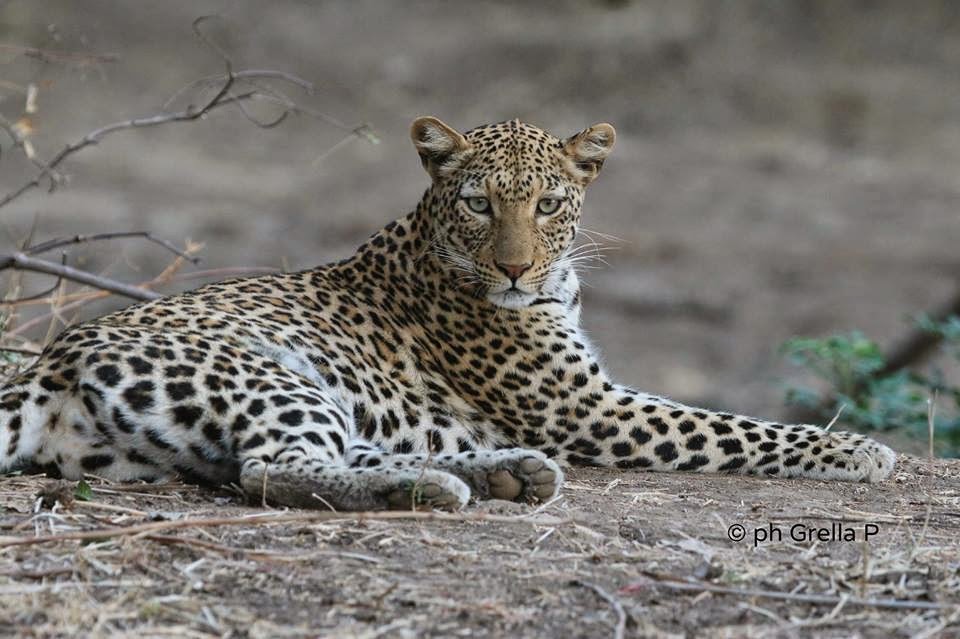
Piera Grella FACEBOOK PAGE


lunedì 24 novembre 2014

Africa, the mother land: Namibia. A NIGHT DRIVE WITH LIONS


Secondo breve video della "Premiatissima Ditta" Adventure Life Project Africa corporation...mi scappa da ridere...

Un Night Drive dove con i miei ospiti abbiamo incontrato una famiglia di leoni intenti a...giocare fra loro!

Un'esperienza bellissima svolta nella Riserva Privata di ONGAVA, a ridosso del Parco Nazionale Etosha in Namibia.

Spero vi piaccia e vi faccia venire voglia di venire con me a vedere cose meravigliose!

Presto sui vostri schermi, da PC, tablets o smartphones, altri video che riguardano la Namibia, deserto and much more!

Mi scuso di nuovo per la qualità delle immagini, ma come già accennato, i potenti mezzi a mia disposizione non coinvolgono telecamere in FULL HD per ora...

Buona visione!

Another short video of Adventure Life Project Africa...

A Night Drive in wich the guests join a lions family playing together!

A great experience into the ONGAVA Private Game Reserve next to the Etosha National Park, Namibia.


I hope that you like and you wish to come with me to see wonderful and amazing things!

Coming soon on your screens, devices, tablets or smartphones other videos concerning Namibia, desert and much more!

I apologize with you for the quality of the images, but I don't have al FULL HD camera on my bag. Not yet...

Good vision!

Se vi è piaciuto questo video allora potreste essere interessati a vedere anche quest'altro:

NON C'E' AVVENTURA SENZA VIDEO

oppure a leggere anche qualche bell'articolo: 

Africa, the mother land: Namibia. BUSH LIFE PT I


lunedì 17 novembre 2014

Non c'è Avventura senza video! There's no Adventure without video!


Non c'è una bella avventura senza un bel video giusto? 

E allora Adventure Life Project Africa, cioè me medesimo, ha preparato per voi un piccolo riassunto dell'esperienza di safari in Namibia. 

Spero vi piaccia e vi faccia venire voglia di venire con me a vedere cose meravigliose!

Presto sui vostri schermi, da PC, tablet o smartphones altri video che riguardano la Namibia, deserto and much more!

Mi scuso per la qualità delle immagini, ma i potenti mezzi a mia disposizione non coinvolgono telecamere in FULL HD per ora...

Buona visione!

There's no Adventure without video, don't you think?

So Adventure Life Project Africa, me in fact, had made for you a little resume of the Namibian safari experience

I hope that you like and you wish to come with me to see wonderful and amazing things!

Coming soon on your screens, devices, tablets or smartphones other videos concerning Namibia, desert and much more!

I apologize with you for the quality of the images, but I don't have al FULL HD camera on my bag. Not yet...

Good vision!

Se vi è piaciuto questo video allora potreste essere interessati a leggere anche qualche bell'articolo: 


mercoledì 12 novembre 2014

FOTOGRAFI, VALE LA PENA DARCI UNO SGUARDO. Parte II

3 fotografi professionisti, 3 fotografi internazionali, lavorano per diverse riviste tra le quali National Geographic. Se amate la Fotografia, se amate la Wildlife, se amate le esplorazioni, se amate la vita in generale, non potete non dargli un'occhiata! Che diamine ragazzi, non fate i timidi digitali...

3 photographers, 3 professional photographers, they work for many reviews like National Geographic. If you like Photography, if you like WildLife, if you like Explorations and life in general, you must take a look! Don't be shy, my digital always connected friends...


Sergio Pitamitz WEBSITE

Sergio Pitamitz FACEBOOK PAGE


Stefano Unterthiner WEBSITE

Stefano Unterthiner FACBOOK PAGE


Christian Patrick Ricci FACEBOOK PAGE


WILDPHOTOS


Se vi è piaciuto questo articolo, potreste trovare interessante anche questo:

FOTOGRAFI, VALE LA PENA DARCI UNO SGUARDO