Small crab into the corals @Mafia Island - Tanzania ©Andrea Pompele All Rights Reserved

Small crab into the corals @Mafia Island - Tanzania ©Andrea Pompele All Rights Reserved
Visualizzazione post con etichetta wilderness safaris. Mostra tutti i post

lunedì 26 ottobre 2015

Non c'è avventura senza Video - There's no Adventure without videos: MDONYA NIGHT LIFE


Ottavo video preparato per voi dalla Tanzania: MDONYA NIGHT LIFE

Buona visione


ENGLISH VERSION

Here the EIGHTH video made for you from Tanzania: MDONYA NIGHT LIFE

ENJOY

If you like this video, maybe you can watch these others:


WILD WILD SAFARI EXPERIENCE @Mdonya Old river Camp - Ruaha

MDONYA'S MONKEYS MADNESS

BIG MIGRATION - SAFARI ANTS

THE TRIP

DIVING ADVENTURES


SWIMMING WITH DOLPHINS

SOSSUSVLEI NAMIB DESERT PANORAMIC FLIGHT

SANDWICH HARBOUR 4X4 NAMIB DESERT

A NIGHT DRIVE WITH LIONS

martedì 13 ottobre 2015

Africa, the mother land: Tanzania. IL DIO OSCURO/THE DARK GOD


CLICCA SUL VIDEO E VEDRAI 20 SECONDI INCREDIBILI 

CLICK ON THE VIDEO AND YOU'LL SEE 20 INCREDIBLE SECONDS

“Non importa se non sei d’accordo con me, al limite ti ucciderò, mangerò il tuo cuore e offrirò la tua vita in sacrificio ad un Dio Oscuro. Il leopardo.”

È uno scherzo che uso sempre con la mia collega quando sono un po’ nervoso. Ebbene sì anche nella savana si può essere nervosi ed incazzarsi anche parecchio.
Questo non significa tuttavia che non sia contento e felice, queste sono emozioni assolutamente normali in ogni contesto, anche “in the middle of nowhere of the bush.” “ma va’! E tu che sembravi un tipo così tranquillo…seeee” “ lasciamo perdere va”.

Torniamo a noi: Il leopardo.

"Male leopard on the road - Fundi" - Ruaha - Tanzania - 
 ©Andrea Pompele All Rights Reserved
È affascinante, misterioso, elegante, estremamente pericoloso ed elusivo. Può decidere di farsi trovare oppure può nascondersi nell’erba anche in una zona aperta, per lui non è necessario che ci sia un posto più o meno fitto dove possa trovare riparo da occhi a lui indiscreti, può nascondersi anche in area aperta con erba corta e non foltissima. Non importa. 

Lui è il leopardo. 

Un Dio Oscuro appunto.

"Male leopard at dusk"  - Ruaha - Tanzania - 
 ©Andrea Pompele All Rights Reserved
Nel campo abbiamo un leopardo maschio che vive intorno a noi, non è facile vederlo anche perché essendo adulto è estremamente elusivo, ma puntualmente ogni mattina trovo le tracce intorno alle tende degli ospiti oppure intorno alla mia. Passa ad un metro circa dalla tenda, praticamente vicinissimo alla mia testa. Non mi spaventa la cosa né mi da’ fastidio averlo nel campo, anzi. Mi piace che se ne vada in giro indipendente senza nessuna preoccupazione per gli umani che vivono nel campo. A volte di notte si può sentire il suono della sua voce, non è un ruggito come quello del leone, direi piuttosto un rumore profondo come di una grossa sega che taglia un enorme albero. È divertente cercare di capire dove si trova e che cosa stia facendo. Naturalmente non vado certo a farmi una passeggiata per cercare di trovarlo, me ne sto nella mia tenda e intuisco in che parte della proprietà si trova, o almeno ci provo.

Leopard drinking - camera trap - Ruaha - Tanzania - 
 ©Andrea Pompele All Rights Reserved
Ogni notte mettiamo una camera trap per capire chi e quando viene a farci visita la notte, un po’ per curiosità, un po’ per avventura e un po’ per ricerca scientifica: voglio capire con quanta frequenza alcune specie si presentano durante il buio. Lo so, sono noioso, ma sono un biologo, non posso essere diverso. Suvvia, capitemi.

Andiamo a metterla tutte le sere, dobbiamo stare attenti perché potremmo incontrare qualsiasi animale: elefanti, sciacalli, bushbucks, kudu, facoceri, bushpigs, zebre, impala, il leopardo appunto ed anche i leoni. La scorsa settimana c’era una coppia di leoni che si stavano accoppiando, la femmina si è subito accorta di noi e il maschio ha cominciato a dare segni di nervosismo, ringhiava e si acquattava nell’erba, avvicinandosi piano piano a livello del suolo fino a caricare scattando all’improvviso tra gli arbusti e l’erba alta.

Eravamo a piedi.

Il leone non era interessato a noi, ma era ovviamente aggressivo, e ci ha attaccato per tenerci lontano. Non è successo niente di grave perché una delle nostre macchine stava passando di lì e si è frapposta tra noi e i leoni, proteggendoci e permettendoci di salire ci ha lasciato il tempo di metterci al sicuro. Il leone si è spaventato, ha fatto un giro intorno al cespuglio e ha cominciato a grugnire e ringhiare. Non ho paura dei leoni, è una questione di attitudine, mi è capitato altre volte, riesco a rimanere calmo e non mi faccio prendere dal panico, cosa che capita a moltissime persone. È normale, credo. Mi fido molto meno del leopardo.

Leopard drinking - camera trap - Ruaha - Tanzania - 
 ©Andrea Pompele All Rights Reserved
Praticamente ogni sera viene a bere e riesco ad immortalarlo con la camera trap. Sorprendentemente una sera ne ho trovati due, il maschio e la femmina, in luna di miele come si dice qui, in periodo di accoppiamento, come sarebbe più corretto. La cosa che mi sorprende di più è l’orario in cui si presenta/presentano: intorno alle 19:30. A volte alle 20:00, più spesso alle 20:30, quando mi sto facendo la doccia nella tenda oppure quando siamo intorno al fuoco per un drink prima di cena o durante il pasto.


Honeymooners Leopards drinking - camera trap - Ruaha - Tanzania - 
 ©Andrea Pompele All Rights Reserved
In questo parco è relativamente facile avvistare i leopardi: uno perché ce ne sono parecchi, due perché le “mie” guide sono tra le migliori, ma indubbiamente una bella dose di fortuna aiuta e non poco, se non vogliono non si fanno certo avvistare, anche se onestamente un giorno sono tornati gli ospiti al campo e chiedendo loro come era andata la giornata, ho scoperto che ne hanno visti 5 diversi. 

Ho smesso di parlar loro. 

Eh no a tutto c’è un limite, 5 in un giorno solo no. 

Un ragazzo che non aveva mai visto un leopardo in vita sua è venuto qui e ne ha visti 3 in un giorno, due sullo stesso albero. 

Era felice.

E' un posto meraviglioso, lo so.


Se vi è piaciuto questo articolo allora potreste essere interessati a lasciare un commento, oppure a leggere anche questi altri:

L'ISOLA DEL TESORO

LE NOTTI SILENZIOSE SONO LE NOTTI MIGLIORI

I LEONI RUGGISCONO DI NOTTE

IL VIAGGIO

ENGLISH VERSION


"It doesn’t matter if you do not agree with me, I’ll kill you, eat your heart and sacrifice your soul to an Evil God. The Leopard. "

It's a joke that I always use with my colleagues when they are a bit nervous. Yes even in the bush you can be nervous and get pissed off too.

However this does not mean that we are not content and happy, but these emotions are absolutely normal in every context, even "in the bush in the middle of nowhere." ​​"But it should be '! And here I seemed like such a cool and calm guy…

Returning back to point. The leopard.

It is fascinating, mysterious, elegant, extremely dangerous and elusive. It can decide whether to be found or it can hide in the grass in an open area, for him it is not necessary that there is thick vegetation where it can find shelter from the prying eyes on him but he can also hide in open area with short grass. It does not matter. He is the leopard. A Dark God precisely.

In the camp we have a male leopard that lives around us, it is not easy to see because being adult is very elusive, but every morning I find tracks around my tents and around the guest tents. It comes to about one meter away from the tent, close to where I lay my head. He does not scare me and I do not disturb him, in fact I like that he goes around independently with no concern for the humans living in the camp. Sometimes at night you can hear the sound of his voice, not a roar like the lion, but rather a deep rhythmic sound like a big saw cutting a huge tree. It's fun to try to figure out where he is and what he is doing. Of course I do not take a walk to try to find him, I sit in my tent and I sense in which the direction he is located, at least I try.

Each night we put a camera trap to see what animals visit us at night and at what times, partly out of curiosity, partly for adventure and partly for scientific research: I want to understand how often some species visit during the dark of the night. I know I'm boring, but I'm a biologist, I cannot be different. Come on, understand me.

Every night we have to be careful because we could meet any of the following animals: elephants, jackals, bushbucks, kudu, warthogs, bush pigs, zebra, impala, leopard and even lions. Last week there was a couple of lions that were mating, the female was immediately noticed us and the male began to show signs of nervousness, growled and crouched in the grass, approaching slowly at ground level then suddenly charged at us through the bushes and tall grass.

We were on foot!

The lion was not interested in killing us, but it was obviously aggressive, and charged at us to keep us away. Nothing serious happened because one of our cars was passing by and came between us and the lions, protecting us and allowing us to climb in to the vehicle to safety. The lion was scared, he toured around the bush and began to grunt and growl. I'm not afraid of the lions, it is a matter of attitude, when this happened other times, I can stay calm and I do not panic, something that happens to many people. It's normal, I think. I trust much less the Leopard.

Almost every night he comes to drink and I can prepare the camera trap. Surprisingly one evening I found pictures of two leopards, male and female, on their honeymoon as they say here, in the breeding season, as would be more correctly stated. The thing that surprises me the most is the time shown of when he visits: around 19:30. Sometimes at 20:00, more often at 20:30, when I'm taking a shower or when we are in the tent around the fire for a drink before dinner or during the meal.


In this park it is relatively easy to spot leopards: firstly because there are many, second because "my" guides are among the best, but certainly a good dose of luck helps a lot. Though honestly one day the guests returned from their day safari and I asked them how their day was, I discovered that they had seen 5 different leopards.

I stopped talking to them. 

Oh no there is a limit to everything, 5 in one day! No! 

A guy who had never seen a leopard in his life has come here and has seen three in one day, two on the same tree. 

He was happy.

It's a wonderful place, I know.


If you like this post maybe you can read also these ones:

TREASURE ISLAND

SILENT NIGHTS ARE THE BEST NIGHTS

LIONS ARE ROARING AT NIGHT

THE TRIP

THE END OF AN ADVENTURE


martedì 20 gennaio 2015

Africa, the mother land. Namibia: IL DESERTO E' VITA

Il deserto più antico del mondo è il deserto del Namib. Il deserto più vivo del mondo è il deserto del Namib.

Noi siamo abituati a pensare al deserto come un luogo senza vita, dove sole e sabbia sono le uniche cose che possiamo trovare, ma non è così. Ci sono da fare le opportune precisazioni in merito al concetto di deserto. “eccolo che riattacca a parlare come un libro stampato…, cerca di non essere pedante e noioso ‘sto giro, eh?” “certamente” “ecco, appunto.”

Il deserto non è solo fatto di sabbia, anzi, le maggiori zone desertiche calde del mondo sono per lo più costituite da suolo roccioso, perciò il concetto di dune di sabbia, che peraltro costituiscono solo una minima percentuale dei deserti di tutto il mondo, dobbiamo accantonarle per un attimo. Lo stesso Sahara è costituito per la maggior parte di rocce e ciottoli e si divide in 3 parti: Hammada, la parte rocciosa, Serir o Reg, la parte ciottolosa e Erg, appunto la parte sabbiosa. Il Bacino ininterrotto sabbioso più grande del mondo invece è il Kalahari, interamente costituito da sabbia ossidata.

Ma torniamo al Namib. Nel Namib c’è un sacco di vita.
Acacia erioloba - Namib Desert -  Namibia ©Andrea Pompele All Rights Reserved
Ci sono molte piante “piante nel deserto? No vabbeh adesso non esagerare” ci sono alberi secolari, come l’Acacia erioloba, erbe di vari tipi, come la bushman grass, e piante particolari come il melone !Narra (Ancanthosicyos horridus). Ognuna di queste piante adattate alla vita desertica riesce a sopravvivere in condizioni molto estreme grazie a una serie di adattamenti particolari: alcune di esse hanno radici che in profondità possono arrivare fino a 60 o 80 m per attingere alle falde freatiche nel sottosuolo abbondanti di acqua  impossibile da raggiungere altrimenti, hanno una superficie fogliare che permette loro di catturare l’energia solare, senza disperdere troppa acqua per traspirazione, hanno spine e fusti contorti per difendersi dal consumo animale e crescono in zone tra le dune per potersi proteggere dal vento e raccogliere l’acqua che si condensa ogni mattina dalla formazione della nebbia, consolidano le dune più antiche e colonizzano la porzione non battuta dai venti contribuendo alla stabilizzazione di queste. (Plants of Namibia)

Ma non sono i soli abitanti del deserto.

Ci sono insetti, coleotteri tenebrionidi in particolare, circa 200 specie diverse, che hanno evoluto un sistema sofisticato per catturare la nebbia e condensarla sulla superficie del loro corpo per far sì che le gocce vadano direttamente nella loro bocca. Si nutrono per la maggior parte di materiale vegetale morto, portato dal vento oppure in decomposizione tra una duna e l’altra e costituiscono la base della catena alimentare degli animali che popolano il deserto. 

Ci sono ragni (Carparachne aureoflava ), talmente evoluti da costruirsi una tana nella sabbia e riuscire 
Cartwheeling spider - Carparachne aureoflava - Namib Desert - Namibia 
a coprire l’ingresso di questa con una sottile ragnatela ricoperta si sabbia, una “trapdoor” una trappola che consente a questi di cacciare e di nascondersi dal caldo della superficie. Ci sono gechi con mille colori (Geco palmato Pachydactylus rangei), anch’essi vivono in tane sotto la sabbia e si nutrono di insetti ragni e scorpioni, ci sono lucertole che sono in grado di scavare nella sabbia un rifugio in pochissimi secondi grazie alla particolare conformazione del muso, la shovelsnouted lizard,


Namib Gecko - Pachydactylus rangei - Namib Desert - Namibia
la lucertola “muso di vanga” (Zeros anchietae), ci sono serpenti che possono mimetizzarsi sotto la superficie facendo uscire soltanto gli occhi e una piccola parte della coda che usano per attirare i roditori e potersi procurare un buon pasto.
Shovel snouted Lizard - Zeros anchietae - Namib Desert - Namibia
Ci sono uccelli, passeriformi, insettivori, o granivori che si nutrono di semi delle piante presenti. Rapaci, falchi, aquile, avvoltoi. Ci sono topi, arvicole, mammiferi roditori, volpi del deserto, otocioni, predatori micidiali, ci sono iene brune, iene maculate, giraffe, springboks, orici, le antilopi meglio adattate alla vita del deserto, con una temperatura corporea di base di 43° C che non accumulano mai troppo calore e hanno una “rete” di vene attorno al cervello in grado di evitare il surriscaldamento sotto l’azione del sole, per poter contrastare l’abbassamento di temperatura notturno così drastico senza andare sotto la soglia di sopravvivenza per un organismo omeotermo. “Omeo che?” “che ha una temperatura interna del corpo costante, tutti i mammiferi, sono a sangue caldo, mentre i rettili sono a sangue freddo e dipendono dalla temperatura esterna” “ah…” ci sono leopardi, caracal, e il leoni. I leoni del deserto. http://www.desertlion.info/


Ma quello che colpisce di più la nostra sensibilità è pensare che ci sono milioni di miliardi di semi quiescenti sotto la sabbia che non aspettano altro che una goccia di acqua per poter crescere e svilupparsi in nuove piante con spettacolari fiori. Perché succede proprio così: nel deserto piove. Contrariamente a ciò che pensiamo, normalmente piove, in determinati periodi dell’anno e non tutti gli anni, ma piove. L’acqua non rimane che non per pochissimo e tutte le forme di vita che lo popolano ne sfruttano ogni minima goccia nel minor tempo possibile, aumentando così la propria possibilità di sopravvivenza.

È il deserto più antico del mondo. È il deserto più vivo del mondo, bacino di biodiversità entusiasmante per un biologo evoluzionista come me, e di un fascino incredibile per chiunque. È il Namib.


Blooming - Tribulus terrestris - Namib Desert - Namibia


ENGLISH VERSION

The oldest desert in the World is the Namib Desert. The richest in desert  life in the World is the Namib Desert.

We are accustomed to think of desert as a place without life, where sun and sand are the only things that we can find, but it’s wrong. We have to clarify some things regarding the concept of desert. "OMG! He’s starting to talk like a scientific book ..., try not to be pedantic and boring this time, please" "Certainly" "in fact..."

Desert is not only made of sand, indeed, the world's largest hot desert areas are mostly made up of rocky soil, so we must put aside for a moment the concept of sand dunes, which also make up only a small percentage of deserts of the World. The Sahara, the largest hot desert in the World consists mostly of rocks and pebbles, and is divided into 3 parts: Hammada, the rocky part, Serir or Reg, pebble part and Erg, precisely the sandy part. The world's largest uninterrupted sand basin In the World is instead the Kalahari, entirely made up of oxidized red sand.

Let’s go back to the Namib. In the Namib there's plenty of life.

There are many plants "plants in the desert? No are you kidding us?" There are old trees, such as Acacia erioloba, herbs of various kinds, such as the bushman grass, and unusual plants such as melon! Narra. Each of these desert adapted life plants can survive in very extreme conditions due to a series of special adaptations: some of them have deep roots that can reach up to 60 or 80 m to tap into underground aquifers abundant water otherwise impossible to reach up, they present leaf surface that allows them to capture solar energy, without losing too much water through transpiration, they have thorns and twisted stems to defend themselves from animal consumption and they grow in areas between the dunes to protect themselves from the wind. They reap the condensed 'water every morning by the formation of fog, they consolidate the oldest dunes and they colonize the not windswept portion contributing to the stabilization of these.(Plants of Namibia)


But they’re not the only desert’s inhabitants

There are bugs, tenebrionid beetles in particular, about 200 different species that have evolved a sophisticated system to capture the fog and condense it on the surface of their body, so the drops go directly into their mouths. They feed mostly dead plant material, carried by the wind or decomposing between a dune and the other, and they form the basis of the food chain of animals that live in desert. There are spiders, so evolved to build a nest in the sand and be able to cover the entry with a thin cobweb covered by sand, a "trapdoor" a trap that allows them to hunt and hide from the hot surface. There are geckos with a thousand colors, they also live in burrows in the sand and feed on insects, spiders and scorpions, there are lizards that are able to dig in the sand a refuge in few seconds due to the particular shape of the muzzle, the shovelsnouted lizard, there are snakes that can camouflage itself below the surface while leaving only the eyes and a small part of the tail that they use to attract rodents and be able to provide a good meal. There are birds, passerines, insectivores, or granivorous that feed on seeds of the plants. Raptors, hawks, eagles, vultures. There are mice, voles, rodents, mammals, desert foxes, bat-eared fox, deadly predators, there are brown hyenas, spotted hyenas, giraffes, Springboks, oryx, the better desert adapted antelopes, with a body temperature of 43 ° C that do not accumulate too much heat, in order to counter the lowering of temperature night so drastic without going below the threshold of survival for a warm-blooded organism, they have a "network" of the veins around the brain able to avoid overheating under the action of the sun. "Omeo what?" "Which has a constant internal temperature of the body, all mammals are warm-blooded, while reptiles are cold-blooded and depend on the outside temperature" "oh ..."
there are leopards, caracals, and the lions . The desert lions. http://www.desertlion.info/

What is most striking about our sensitivity is to think that there are millions of billions of dormant seeds in the sand, just waiting for a drop of water to grow and develop into new plants with spectacular flowers. Because it’s just that: it's raining in the desert. Contrary to all what we think about, it usually rains, at certain times of the year and not every year, but it rains. The water could not remain for a long time, and all life forms that live in these conditions exploit every drop in the shortest time possible, thus increasing their chances of survival.

It’s the oldest desert in the World. It’s the richest of desert life in the world, an incredible biodiversity basin exciting for me as an evolutionary biologist, and very fascinating for anyone. It’s the Namib.

venerdì 16 gennaio 2015

Non c'è avventura senza Video - There's no Adventure without videos: SOSSUSVLEI NAMIB DESERT PANORAMIC FLIGHT


Non c'è Avventura senza video giusto?

QUINTO video preparato per voi: SOSSUSVLEI PANORAMIC FLIGHT EXPERIENCE, NOT AN ORDINARY DESERT EXPERIENCE

Buona visione


Se vi è piaciuto questo video allora potreste essere interessati a vedere anche questi altri:

SOSSUSVLEI NAMIB DESERT PANORAMIC FLIGHT

SANDWICH HARBOUR 4X4 NAMIB DESERT


There's no Adventure without video, don't you think?

Here the FIFTH video made for you: SOSSUSVLEI PANORAMIC FLIGHT EXPERIENCE, NOT AN ORDINARY DESERT EXPERIENCE

Have a good vision

If you like this video, maybe you can watch these others:

SOSSUSVLEI NAMIB DESERT PANORAMIC FLIGHT

SANDWICH HARBOUR 4X4 NAMIB DESERT

A NIGHT DRIVE WITH LIONS

lunedì 12 gennaio 2015

Africa, the mother land: Namibia. IL DESERTO E' COME LE ALPI

Il deserto è duro. O ti piace o non ti piace. Non c’è un compromesso, tipo: “ma sì mi piace, ma non mi fa impazzire”. O lo ami o lo odi. È un ambiente estremo e come tutti gli ambienti estremi può entrarti nel cuore oppure esserti indifferente.

Una cosa è certa: non è facile.

Sunrise @Namib desert - Namibia ©Andrea Pompele All Rights Reserved
In questo il deserto è come la montagna, bisogna avere rispetto di sé, prima di tutto, poi della montagna altrimenti ti toglie la vita in un secondo. Io lo so, ci sono nato in montagna, sulle alpi occidentali, le più alte d’Europa, dove puoi trovare ambienti di tutti i tipi, dalle foreste di conifere alle praterie alpine soprai i 1800 m, dalle rocce a picco, i salti di roccia, ai ghiacciai perenni, dove il sole è forte, molto forte, e sopra una certa altitudine tutto sembra assumere una diversa prospettiva. Dove la bellezza e la natura sono ancora padroni e ti avvolgono completamente.

“Scusa ma non stavamo parlando del Deserto?” “Sì certo!” “e cosa c’entrano le Alpi?” “c’entrano c’entrano…”

Sand of the Namib Desert - Namibia ©Andrea Pompele All Rights Reserved
Vedete nel deserto è la stessa cosa, la natura e le sue forze dominano completamente, tu non sei altro che un minuscolo granello di sabbia all’interno del deserto. E il deserto è antico come le montagne, ne ha la stessa forza, ne possiede le stesse caratteristiche, è duro, estremo, caldo e freddo allo stesso tempo, ed esige rispetto.


La notte è gelida, d’inverno, da 0-5 gradi e il giorno è rovente arriva a 30 C, spira un vento freddo oppure caldo, secco o carico di umidità. “Umidità nel deserto?” “Ma certo!” “ora ci arriviamo…con calma” un vento che può gelarti le ossa appena cala il buio e il buio cala in fretta in Africa, oppure toglierti le forze dal calore che spira, e non riesci a dormire e nemmeno a pensare. 

Il sole è forte, l’insolazione è molto potente, e bisogna proteggersi la testa molto bene, e bere frequentemente piccoli sorsi d’acqua. Non serve berne una grande quantità, anzi sarebbe controproducente, primo perché l’acqua è una risorsa preziosa e se la finisci subito poi come fai?  Secondo perché più bevi, più aumenti la traspirazione, quindi rischi la disidratazione con conseguenti problemi di mal di testa, febbre, e fastidi gastrointestinali, non esattamente piacevoli da affrontare in the middle of the desert. Occorre perciò idratarsi in maniera corretta, con piccole quantità. Ma bisogna farlo!ù

Sunset @Namib desert - Namibia ©Andrea Pompele All Rights Reserved
Nel deserto non si suda, non molto almeno, ed è naturalmente dipendente da ognuno di noi, ma si può rapidamente giungere a questa conclusione, non si sente la sete inizialmente: la pelle e i capelli si seccano subito però e man mano che passa il tempo il nostro corpo richiede più liquidi. Arriva la sete e può essere insostenibile a quel punto. Un vero incubo.

L’inverno nel deserto assomiglia all’estate alpina. È esattamente uguale. Tutte queste cose ci sono anche sulle Alpi, perciò sono molto simili come ambienti. Tutte queste dinamiche si possono riscontrare anche in Montagna, nello stesso identico modo, che tu sia un escursionista o un alpinista, uno scalatore o uno sportivo devi stare attento alle stesse cose se vuoi godere appieno della bellezza.

E la bellezza è una dominante del deserto. Non importa che deserto sia, non importa in che parte del mondo ti trovi, lo splendido fulgore dell’ambiente desertico ti può colpire, affascinare, ti fa innamorare o ammalare.

Sand of the Namib Desert - Namibia ©Andrea Pompele All Rights Reserved
Conosco persone che amano letteralmente i deserti, non possono farne a meno, sono guidati da questi ampi spazi, dove l’orientamento viene meno e tutto sembra uguale, dove i suoni si propagano e si spezzano immediatamente, dove il cielo sovrasta un mare di sabbia di tanti colori, o rocce brune dall’aspetto minaccioso. 

La mia cara amica Michela è così: lei ama il deserto, si trova a suo agio, libera e completa. Lei pensate che riesce a trovare un inconsapevole oppure io penso totalmente cosciente, modo per viaggiare da un deserto all’altro. riesce sempre a stupirmi questa cosa, perché lei non sembra farci piuttosto caso, ma alla fine si ritrova sempre nei deserti: Sahara, Namib, Kalahari, Dancalia, etc… si vede che lei ne ha bisogno. E io la rispetto molto per questo. 

Le persone come lei trovano nel deserto lo spazio meditativo che li fa avvicinare a loro stessi, alla loro intimità e alla loro fragilità, ma nello stesso tempo ti fanno tirare fuori il meglio di te, la tua forza, il tuo coraggio e le tue qualità. Sbattendoti in faccia quanto piccolo ed inutile tu possa essere, sebbene ti creda un grande uomo, e facendoti capire chi sei in realtà. Semplicemente essendo sé stesso. Il deserto non mente mai, non accetta bugie o sotterfugi, macchinazioni o strategie, è potente e sincero. Mistico e brutale.

Il deserto è la vita. 


Lost road into the Namib - Namibia ©Andrea Pompele All Rights Reserved


Se vi è piaciuto questo articolo allora potreste essere interessati a lasciare un commento, oppure a leggere anche questi altri:

Africa, the mother land: Namibia. IL FIUME DEGLI ELEFANTI PT III

Africa, the mother land: Namibia. IL FIUME DEGLI ELEFANTI PTII

Africa, the mother land:Namibia. IL FIUME DEGLI ELEFANTI PT I

Africa, the mother land: Namibia. HOW IS IT? VEEEEERY VERY HOT


ENGLISH VERSION

The desert is hard. Either you like it or not . There’s no compromise: "yeah I like, but I'm not crazy about."

You either love it or hate it. It's an extreme environment and like all extreme environments in the world  could enter you heart or you could be unconcerned about it.

One thing is sure: it is not easy.

Desert is like Mountain, you should have self-respect, first of all, otherwise mountain could kill you in a second. I know that, I was born in the middle of mountains, on Western Alps, the highests in Europe, where you can find all kinds of environments, from coniferous forests to alpine meadows over 1800 m , from sheer cliffs, rock jumps, glaciers, where the sun is strong, very strong, and above a certain altitude everything seems to take a different perspective. Where beauty and nature are still powerful masters and surround you completely.

"Sorry, but we were not talking about the desert?" "Yeah!" "And what matters the Alps?" "they matter, they matter...”

In the desert is the same thing, the nature and its forces dominate completely, you are nothing but a tiny grain of sand. And Desert is as old as Mountains, it has the same strength, it has the same features, it's hard, extreme heat and cold at the same time, and demands respect.

The night is cold, in winter, by 0-5 degrees and the day is hot reaches 30 C, wind blows cold or hot, dry or loading moisture. "Humidity in the desert?" "Of course!" "Now we get there...calmly"  wind that can freeze your bones after dark and darkness falls quickly in Africa, or take off the forces from the heat that blows, and you cannot sleep at night and even think.

The sun is strong, the insolation is very powerful, and you have to protect your head very well, and frequently drink small sips of water. No need to drink a great deal, in fact it would be counterproductive, first because water is a precious resource, and if you end it up right away then how can you manage? Second, because the more you drink, the more perspiration increase, then the dehydration risks occurs. The results? Problems of headache, fever, and gastrointestinal discomfort, not exactly pleasant to deal with in the middle of the desert. Therefore it’s necessary to hydrate properly, with small amounts of water. But you have to do it!

In the desert you don’t sweat, at least not much, it’s dependent on each of us, but you can quickly reach conclusion, you don’t feel the thirsty initially: the skin and the hair dries quickly, however, and as time passes your body requires more fluids. Then it comes the thirst and it can be unbearable at that point. A real nightmare.

Winter in the desert looks like Alpine summer. It’s exactly the same. All of these things are also in the Alps, so they are very similar as environments. You can find all of these dynamics in Mountain, exactly in the same way, if you're a hiker, a climber or an athlete, you have to be careful about the same things if you want to enjoy the beauty.

And beauty is dominant in deserts. No matter what desert is, no matter where in the world you are, the beautiful desert environment can hit you, fascinate, makes you fall in love or get sick.

I know people who love literally deserts, they are driven by these large spaces, where the orientation is less and everything looks the same, where the sounds promulges and break immediately, where the sky above a sea of sand is made by many colors, or brown scary rocks. My dear friend Michela is so: she loves the desert, she is at ease, free and complete. I think she can find an unconscious or totally conscious way to travel from one desert to another.  It always surprises me, because she doesn’t seem to give attention to it, but in the end she always stays in the deserts of Sahara, Namib, Kalahari, Dancalia, etc ... you can see that she needs it. And I give her al lot of respect  for that. 
People like her are in a meditative space that makes them closer to themselves, to their intimacy and their fragility, but at the same time makes you bring out the best of you, your strength, your courage and your qualities . showing you how small and useless you may be, although you believe to be a great man, and making you understand who you really are. Simply being yourself. Desert never lies, does not accept lies or deceit, machinations or strategies, is powerful and sincere. Mystical and brutal.

mercoledì 7 gennaio 2015

Non c'è avventura senza Video - There's no Adventure without videos: SOSSUSVLEI NAMIB DESERT 4X4


Non c'è Avventura senza video giusto?

Quarto video preparato per voi: SOSSUSVLEI 4X4 EXPERIENCE, NOT AN ORDINARY DESERT EXPERIENCE

Buona visione


Se vi è piaciuto questo video allora potreste essere interessati a vedere anche questi altri:

SANDWICH HARBOUR 4X4 NAMIB DESERT


There's no Adventure without video, don't you think?

Here the fourth video made for you: SOSSUSVLEI 4X4 EXPERIENCE, NOT AN ORDINARY DESERT EXPERIENCE

Have a good vision

If you like this video, maybe you can watch these others:

SANDWICH HARBOUR 4X4 NAMIB DESERT

A NIGHT DRIVE WITH LIONS

venerdì 26 dicembre 2014

Non c'è avventura senza Video - There's no Adventure without videos: SANDWICH HARBOUR 4X4 NAMIB DESERT


Non c'è Avventura senza video giusto?

Allora eccoci al terzo video preparato per voi: SANDWICH HARBOUR 4X4 EXPERIENCE, NOT AN ORDINARY DESERT EXPERIENCE

Buona visione


Se vi è piaciuto questo video allora potreste essere interessati a vedere anche questi altri:


There's no Adventure without video, don't you think?

So, that's the third video made for you: SANDWICH HARBOUR 4X4 EXPERIENCE, NOT AN ORDINARY DESERT EXPERIENCE

Have a good vision

If you like this video, maybe you can watch these others:

A NIGHT DRIVE WITH LIONS

giovedì 18 dicembre 2014

Africa, the mother land: Namibia. IL FIUME DEGLI ELEFANTI PT II

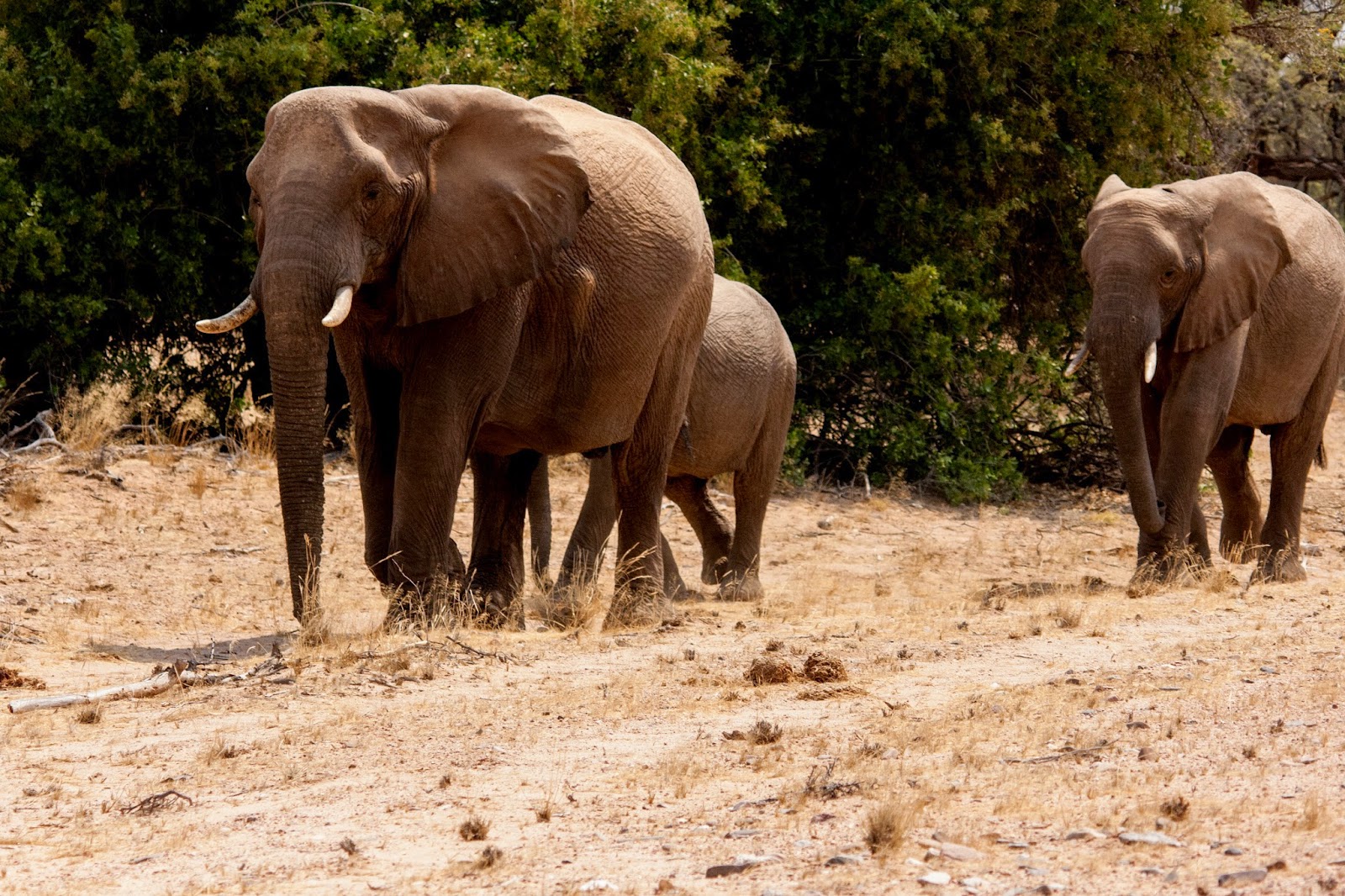
Il gruppo degli elefanti si nutre indisturbato all'interno del corso del fiume.

E' incredibile osservare gli elefanti, mi lasciano sempre stupito e affascinato, ho scattato centinaia di fotografie e ogni volta riescono a stupirmi, sono animali di una bellezza antica e devastante, molto pericolosi se non ci si comporta adeguatamente, e molto delicati se invece li si lascia in pace. Un contrasto meraviglioso, adatto alla terra dove ci troviamo, il continente africano.
elephant's riverbed damaraland namibia
Elephants in the riverbed  - Damaraland - Namibia ©Andrea Pompele All Rights Reserved
In genere il gruppo rimane abbastanza unito.
Anche se divagano di albero in albero e si spostano di qualche decina di metri, sono sempre vicini e attenti. Non sembrano considerarsi più di tanto, ma rimangono sempre in comunicazione visiva gli uni con gli altri, ad una attenta osservazione si può percepire una coesione visiva netta. Comunicano soprattutto con gli infrasuoni e quando decidono di andare, o meglio la matriarca decide di andare, tutto il branco si sposta con lenta, almeno nella maggior parte dei casi, determinazione. 
elephant's foot damaraland namibia
 Elephants foot - Damaraland Namibia
 ©Andrea Pompele All Rights Reserved


Mica poi tanto lenta comunque, sembrano camminare con calma, ma in pochi secondi sono già molto al di là delle nostre previsioni. Quando corrono possono essere imprevedibili e devastanti, purtroppo ho perso un amico in Mozambico a causa di una carica di elefanti improvvisa. Filippo era un ricercatore, di quelli bravi e aveva molta esperienza, ma si è trovato in una situazione estrema e senza possibilità di difendersi a piedi. Mi viene sempre in mente lui ogni volta che cerco gli elefanti.

Ma tornando a noi, "Grazie, meno male, stavi cominciando a metterci un po' di ansia, oltre che un'infinita tristezza." " Eh a chi lo dici..." 

Il gruppo si muove. E si muove dapprima lentamente. Io cerco di posizionare il Land Rover per osservare una femmina con il suo cucciolo in modo da non disturbarli e non voglio restare per troppo tempo, bisogna avere rispetto e dedizione, oltre che mettersi in sicurezza. Mentre sto facendo manovra, un altro 4X4 si posiziona dietro di noi, impedendomi la visuale. Il solito problema: sarebbe meglio non ci fossimo o per lo meno che l'intelligenza di ognuno ci permetta di non ostacolare l'altro, ma
calf elephants namibia damaraland
Elephant's calf - Damaraland - Namibia ©Andrea Pompele All Rights Reserved 
non sempre è così.Mi passa davanti un'altra femmina a pochi metri di distanza, con un cucciolo piccolo e un fratellino più grande, che si mostra parecchio interessato al Land Rover. Talmente interessato che avanza rapidamente verso di noi. la femmina si gira di scatto, il piccolo non si accorge di nulla, va beh, è un piccolo, deve esplorare, ed è davvero buffo e tenero vedere che prosegue goffo e veloce senza una meta precisa. Il fratello più grande non cede interesse e continua, è a qualche metro e non posso muovermi, 
indietro non posso andare, la macchina dietro di me mica si sposta, figuriamoci, e fare manovra non è né veloce, né pratico, né tanto meno efficace. Decido di stare fermo e intimo ai miei ospiti nella maniera più dolce e democratica che contraddistingue i miei modi signorili in certe situazioni, di stare tranquilli, non agitarsi e per favore fare silenzio. 

"See come no? e noi dovremmo crederci?" "Chiedete ai miei ospiti! Uff, poca fiducia nelle mie capacità democratiche eh?" 

Per fortuna sono stranieri. Olandesi una coppia, inglesi le altre due. E mi ascoltano.

Il giovane si avvicina, con la proboscide tocca lo specchietto e poi il mio braccio, immobile sulla portiera. Una sensazione indescrivibile, morbida e decisa. essa esplora, per una manciata di secondi, mi hanno riferito, che a me sono sembrati 5 minuti, la mia pelle. Mi annusa, mi palpa, mi fa rizzare i peli delle braccia e d'improvviso si gira e se ne va. La madre, sempre ferma, non ha tolto lo sguardo dal suo cresciutello piccolo, e per fortuna non si è mossa. Ospiti ammutoliti, emozione nelle vene scorre sotto forma di adrenalina, i muscoli sono pietrificati e senti un calore lungo il corpo che ti ha reso praticamente una stufa.
elephan's crossing damaraland namibia
Elephants crossing - Damaraland - Namibia ©Andrea Pompele All Rights Reserved
Lascio passare il branco intero e do un'occhiataccia alla guida dietro di me, che più tardi si scuserà di avermi messo in quella situazione. Gli ospiti non parlano ma sono visibilmente emozionati. Beh non è da tutti i giorni in effetti. 

Più tardi ho analizzato bene la situazione: ho fatto la scelta giusta. Se avessi tentato di muovere il veicolo, l'elefante avrebbe potuto spaventarsi ed attaccarmi, se mi fossi agitato idem, mentre era semplicemente curioso di sapere chi fossimo, una curiosità tutta giovanile.

Ho riconosciuto le sue intenzioni. 

Proseguiamo ad osservare il gruppo e lo osserviamo ancora un po' dopodiché ci dirigiamo al villaggio.

Il villaggio appartiene alla popolazione dei Riemvasmakers popolo deportato dal Sud Africa in seguito alle leggi sulla ricollocazione delle etnie durante il regime dell’Apartheid. È un villaggio piccolo e tranquillo, popolato da donne e bambini, gli uomini lavorano altrove e tornano periodicamente a far visita alle famiglie. Qui prendiamo un caffè e ascoltiamo la storia del popolo e del villaggio. E naturalmente vediamo un altro gruppo di elefanti attraversare la pianura dalle montagne e dirigersi alla pozza. Molto vicini al villaggio. Ogni tanto qualcuno di essi entra tra le case ma la popolazione non si scompone più di tanto, basta fare un po’ di rumore e avere la dovuta attenzione e i pachidermi se ne vanno senza danni…o quasi. Ogni tanto tirano giù qualche recinto e fanno scappare le capre, ma è accettabile.

Una convivenza meravigliosa.

elephants damaraland namibia safari
Elephants - Damaraland - Namibia ©Andrea Pompele All Rights Reserved
Come vi dicevo in precedenza (IL FIUME DEGLI ELEFANTI PT I), la comunità ha capito che la fauna selvatica è una risorsa e non una minaccia e la protegge come se fosse sua. E in parte lo è, è la loro terra, quindi è logico no? Dopo la sosta proseguiamo per quello che sarà il nostro pranzo sul corso del fiume e risaliamo verso il Damaraland camp. Qui trovo un albero molto grande di Ana tree (Faidherbia albida) e decido essere il nostro luogo ideale. mi fermo e faccio scendere i miei ospiti, dopo aver accuratamente osservato la zona. un'altra bella esperienza comincia, il River lunch, il pranzo sul letto del fiume. Non c'è niente di più bello che pranzare sotto un albero di Faidherbia albida all'aria aperta in the middle of the desert. Primo, secondo, contorno, formaggio (Blue Cheese, simile al Gorgonzola), carne secca (Biltong), salsicce essiccate sud africane (Droëwors), birra, vino, frutta, caffè ed...elefanti in lontananza che ci osservano.
Ad un certo punto ci vengono incontro e ci passano vicini, relativamente, e comunque avevo messo già via tutto e gli ospiti erano sul Land Rover, a terra rimanevo solo io.

La sicurezza innanzitutto! 


Se vi è piaciuto questo articolo allora potreste essere interessati a lasciare un commento, oppure a leggere anche questi altri:

Africa, the mother land: Namibia. HOW IS IT? VEEEEERY VERY HOT

young bull damaraland namibia
Young bull - Damaraland - Namibia ©Andrea Pompele All Rights Reserved


ENGLISH VERSION

The group of elephants eats undisturbed along the river.

It's amazing to observe elephants, I'm always amazed and fascinated, I took hundreds of photographs and every time they amaze me, they're animals with an ancient and devastating beauty, very dangerous if you don't behave properly, and very delicate if you leave them in peace. A wonderful contrast, suitable to the land where we are, the African continent.

Typically the group remains fairly united.

Even if they ramble from tree to tree and move a few tens of meters, they're always close and careful. It's not seems that they consider each other that much, but they always remain in visual communication, under careful observation you can perceive a clear visual cohesion.

They communicate mostly with infrasounds and when they decide to go, or rather the matriarch decides to go, the whole herd moves with slow, at least in most cases, determination. Not that much slower, however, they seem to walk calmly, but in a few seconds they're already far beyond our expectations. When they run, they can be unpredictable and devastating, unfortunately I lost a friend in Mozambique due to a sudden charge of elephants. Filippo was a researcher, the good one and had a lot of experience, but he found himself in an extreme situation, and no opportunity to defend themselves by foot, he died. I always think of him every time I search for elephants.

But back to us, "Thank you, thank goodness, you were beginning to put in us a little anxiety, as well as an infinite sadness." "Eh you know .." 

The group moves. 

It moves slowly at first. I try to place the Land Rover to observe a female with her cub in a way to not disturb them and I don't want to stay too long, you have to have respect and dedication, as well as maintain yourself safe. 
While I'm handling the car, another 4X4 ranks behind us, preventing the view. The usual problem: it would be better we did not, or at least that the intelligence of everyone let us not hinder the other, but it's not always possible. 
Another female passes in front of us far just few meters, with a little puppy and a larger brother, which shows us to be quite interested in the Land Rover. So interested that advancing rapidly towards us. Female whirls, the baby does not notice anything, okay, he's young, he should explore, and it's really funny and tender to see how continues clumsy and fast aimlessly. The older brother does not yield interest and continues, he is few meters far and I cannot move, I cannot go back, the car behind me doesn't moves, and handle the car is neither fast, nor practical, nor effective . I decide to stay still and intimate to my guests in the most gentle and democratic way that distinguishes my manners, in certain situations, to be calm, do not get excited and please be quiet. 

"We should believe it?" "Ask my guests! So, just little confidence in my democratic capabilities?"

Luckily they are foreigners.  A Dutch couple, English the other two couples. They listen to me. 
The young elephant approaches us, with its trunk touches the mirror and then my arm, still on the door. An undescribable feeling, soft and firm. It explores, for a handful of seconds, that to me seemed to be five minutes, .He smells my skin, touches my arm and suddenly turns around and walks away. The mother, always firm, did not remove her eyes from her grown-small, and luckily did not move.

Guests speechless, emotion flowing in the veins in the form of adrenaline, the muscles are petrified and felt a warmth along the body that made you practically a stove.

I let pass the whole herd and do a glare to the guide driving behind me, who later apologizes for putting me in that situation. 
Guests don't speak but they are visibly excited. 
Well in fact it's not common every day. 

Later I analyzed the situation: I made the right choice. If I tried to move the vehicle or had fidget myself, the elephant could get scared and attack me, while he was simply curious to know who we were, a young curiosity. 
I recognized his intentions. 

We continue to observe the group and then we go to the village.

The village belongs to Riemvasmakers people, deported from South Africa following the laws on the relocation of ethnic groups during the Apartheid regime. It is a small and quiet village, populated by women and children, men work elsewhere and come back regularly to visit family. 
Here we take a coffee and listen to the story of the people and the village. And of course we see another group of elephants cross the plains from the mountains and go to the waterhole. Very close to the village. 
Occasionally one of them enters the village but the population don't do anything, just make a little noise and pachyderms leave no damage ... or almost. Sometimes they pull down the fence and make escape the goats, but it is acceptable.

A wonderful coexistence.

As I said earlier (THE ELEPHANT'S RIVER PT I), the community has realized that the wildlife is a resource and not a threat and protects it as his own property. And in fact it is, is their land, so it is logical don't you think?

After this break we go for the lunch on the riverbed along the road back to Damaraland camp. Here I find a very large Ana tree (Faidherbia albida) and I decide it will be our ideal. I stop and I moved down the car the guests after having carefully observed the area. Another beautiful experience begins: the River Lunch, lunch on the river bed. There is nothing beautiful as having lunch under a Faidherbia albida tree outdoor in the middle of the desert. First course, main course, cheese (Blue Cheese), Biltong, dried South African sausages (Droëwors), beer, wine, fruit, coffee and ... elephants watching us.

They pass  next to us, relatively, and in any case I had already put everything into the car and guests were on the Land Rover, on the ground I was alone.


Safety first!

If you like this post, you can comment or maybe you can read these ones: 

Africa, the mother land: Namibia. HOW IS IT? VEEEEERY VERY HOT