Small crab into the corals @Mafia Island - Tanzania ©Andrea Pompele All Rights Reserved

Small crab into the corals @Mafia Island - Tanzania ©Andrea Pompele All Rights Reserved
Visualizzazione post con etichetta avventure nel mondo. Mostra tutti i post

lunedì 10 agosto 2015

Africa, the mother land: Tanzania. SAFARI GUIDE LIFESTYLE

Fare la guida di safari non è solo un lavoro, è una scelta di vita.

Dik Dik - Madoqua Kirkii - Ruaha National Park - Tanzania -  ©Andrea Pompele All Rights Reserved
Sembra essere banalmente percepibile come scontato agli occhi di chi non ha fatto questa scelta, ma occorre essere consapevoli, non è una fuga, non è un rifiuto, non è nemmeno un’avventura fine a sé stessa, è un progetto.

Comporta sacrifici e tanto tanto studio, sappiatelo.

Sono una guida professionista certificata AFGA, African Field Guide Association, e imparo tutti i giorni qualcosa di nuovo. Ho intrapreso questa strada perché ho capito che nella vita bisogna fare quello che ci piace, non quello che gli altri si aspettano da noi. O peggio, quello che noi aspettiamo da noi stessi, proiettando aspettative erronee e fuorvianti per la nostra personale realizzazione e felicità.

Ok, fin qui tutto bene, ve l’ho già spiegato in altri articoli e momenti.

Yellow Baboon - Ruaha National Park - Tanzania -  ©Andrea Pompele All Rights Reserved
Passiamo alla parte pratica: come diavolo hai fatto a trasformare la tua vita in questa direzione? A parte la motivazione profonda che mi ha spinto, beh prima di tutto mi sono sbattuto parecchio per trovare la soluzione. Mi sono informato, ho scritto contattato e trovato corsi di formazione ed approfondimento che mi hanno dato la direzione. L'AIEA, Associazione Italiana Esperti d'Africa, mi ha dato la prospettiva dei corsi di formazione che mi avrebbero nel futuro dato la possibilità di accedere a questo tipo di vita. Nonostante io abbia una laurea in biologia ecologica con orientamento in etologia ed una laurea specialistica in Ecologia, non è stato affatto semplice superare gli esami, teorico e pratico in seguito, si può tranquillamente affermare che mi hanno fatto letteralmente un culo così! E meno male! Perché soltanto dopo, lavorando sul campo ho capito quanto la mia preparazione fosse necessaria e fondamentale. Con grande sorpresa mi sono ritrovato migliore di altri, più pronto, più competente e più capace di gestire le varie situazioni che possono capitare, sia dal punto di vista naturalistico che da quello organizzativo, di ospitalità, di gestione degli ospiti e degli imprevisti. Sono un genio? Sì lo ammetto sono migliore di tutti voi e vi mangio a colazione se osate sfidarmi. Ma per favore, che idiozia, no, sono esattamente come voi, solo sono preparato e motivato e questo fa la differenza. Ho naturalmente moltissimo da imparare e cresco professionalmente ma mi sono evoluto un po’. Sono manager di un campo tendato e sono responsabile delle guide e dei drivers, oltretutto sono diventato anche un trainer. Fico no? Certo ma non facile anzi. Prima di tutto bisogna sapere di cosa si parla per capire. Questa non è una vita facile (I LEONI RUGGISCONO DI NOTTE).
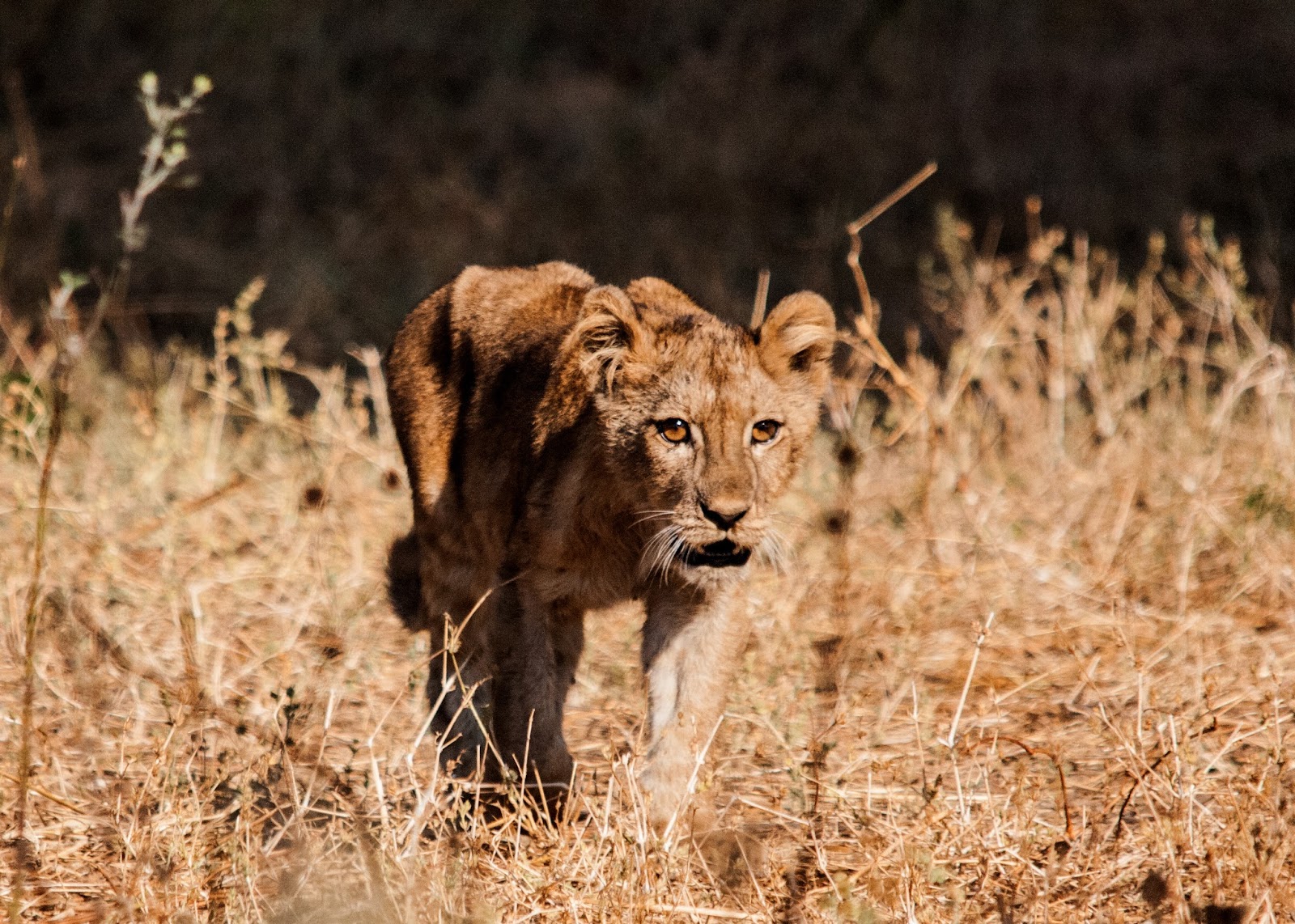
Lion's cub - Ruaha National Park - Tanzania -  ©Andrea Pompele All Rights Reserved

Tuttavia onestamente, è la migliore scelta che abbia fatto in vita mia. Ho imparato ed imparo tuttora un sacco di cose. Ogni giorno è diverso e mi regala esperienze incredibili. Ho superato alcuni limiti che avevo anche dopo essere diventato guida certificata e miglioro la mia conoscenza naturalistica in maniera concreta. Giro scalzo per il campo, all’inizio ero titubante e parecchio indispettito nel farlo, ma poi ho osservato, capito e fatto mia questa abitudine che ha il mio Boss. Ovviamente ci sono molte controindicazioni nel farlo: spine, sabbia, terra, polvere e insetti fastidiosi, ma superato il limite, basta prestare attenzione a quello che si fa e tutto risulta naturale. Cammino nel bush come se l’avessi sempre fatto, tra l’erba alta 4 metri circa, l’elephant grass (Pennistum purpureum), che si chiama così perché nasconde persino gli elefanti, con una certa attenzione a dove metto i piedi e a quello che si muove intorno a me. Non è difficile, non è pericoloso, se sai quello che fai e nello stesso tempo è incredibile se ci pensi su un attimo.
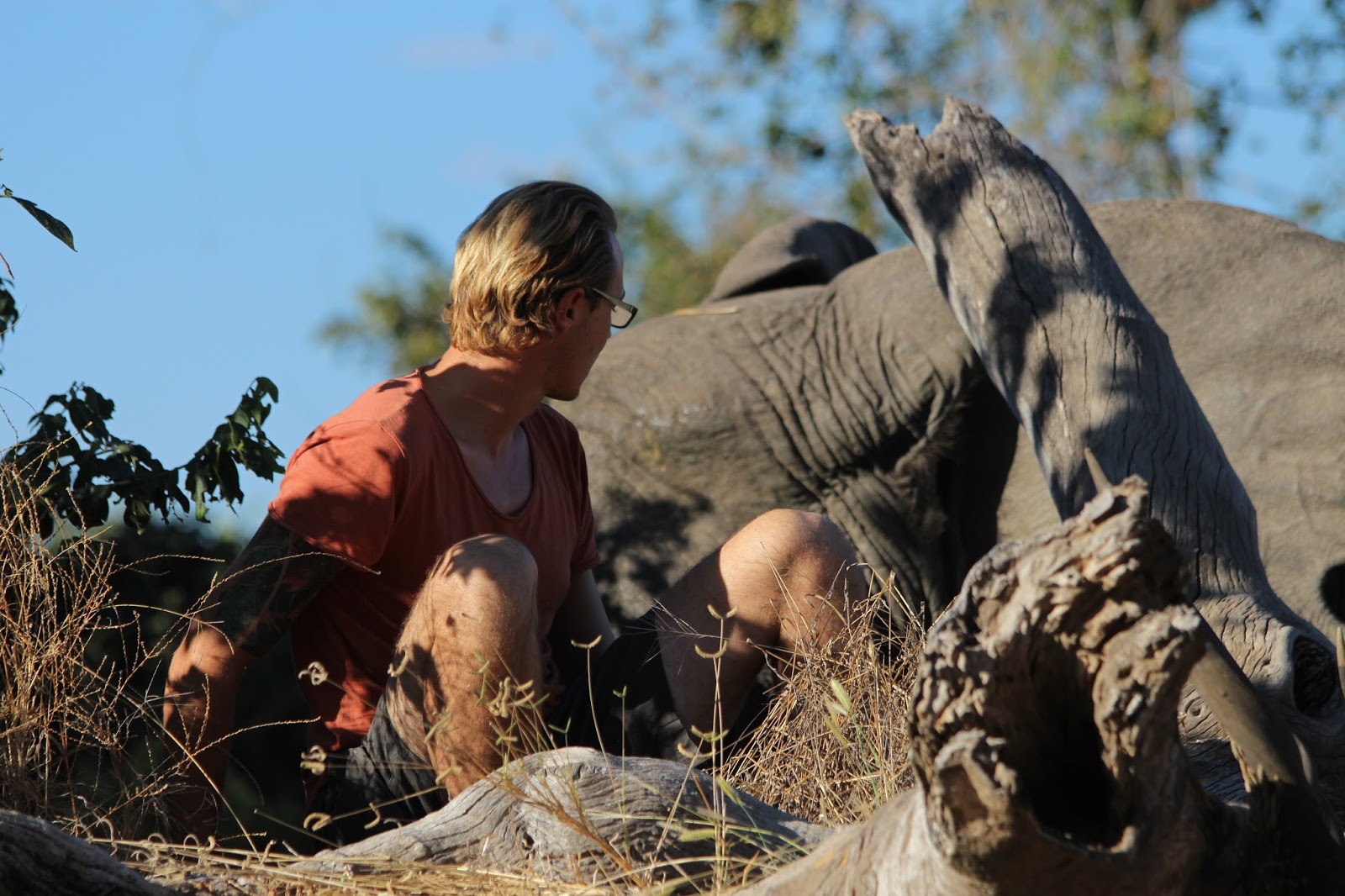
Me and an Elephant @ Mdonya Old River Camp - Ruaha National Park - Tanzania -  ©Andrea Pompele All Rights Reserved


Ho imparato a gestire gli elefanti. A piedi. Il campo è pieno di elefanti, entrano ed escono a loro piacimento giorno e notte, per brucare l’erba, strappare le foglie degli alberi e smuovere i tronchi per far cadere i frutti di Acacia tortilis di cui sono ghiotti. Spesso spaccano i rami e scorticano i tronchi, ogni tanto fanno cadere anche gli alberi. Si avvicinano e si possono osservare benissimo. Li stiamo identificando uno per uno e costruiamo loro una carte di identità da condividere con i ricercatori dello STEP (Southern Tanzania Elephant Project), abbiamo dato loro anche un nome per ciascuno ed è stupendo salutarli la mattina, il pomeriggio o la notte quando decidono di venire a trovarci.  Ho imparato a non avere paura di loro e a reagire correttamente ad una mock charge anche a piedi. I maschi adulti sono più semplici perché quando non sono in Musth, stato particolare di eccitazione sessuale il cui il testosterone aumenta vertiginosamente causando un’alterazione comportamentale significativa, “eccolo che ricomincia a sproloquiare in termini incomprensibili”, diventando molto aggressivi e pericolosi, sono calmi e rilassati, basta non bloccare loro la strada e lasciar loro lo spazio necessario per muoversi e puoi star loro anche a distanza ravvicinata. 
Elephant @ Mdonya Old River Camp - Ruaha National Park - Tanzania -  ©Andrea Pompele All Rights Reserved
Ho imparato dai Maasai come muovermi, senza correre assolutamente, senza mostrare paura e stando fermi e dritti, se caricano, spesso lo fanno solo per allontanarti quindi basta fare due o tre passi indietro in modo tranquillo e la cosa finisce lì. Altra cosa importante è mettere un ostacolo tra noi e loro, tipo un tronco e la situazione è sicura. Ovviamente bisogna sempre valutare il contesto e l’animale che si ha di fronte, anche loro hanno il loro carattere ed esistono quelli più calmi e tranquilli e quelli più agitati. Mad Max è uno di questi, l’abbiamo chiamato così proprio per la sua diffidenza e una certa propensione al nervosismo. Con lui nel campo bisogna stare all’occhio e muoversi in maniera prudente. Charlie, Louis e Sikiu Mbovu sono decisamente più amichevoli, soprattutto quest’ultimo che birichino com’è ha deciso di spaccare i tubi dell’acqua per bere direttamente l’acqua pulita, con una certa simpatia per la mia doccia. Ogni giorno più o meno arriva e puntualmente ne combina una delle sue. Ma è quello a cui mi posso avvicinare più facilmente, l’altro giorno mentre lo riprendevamo con il cellulare ha toccato lo schermo con la proboscide, giusto per ricordarci che non gliene importa nulla se lo sgridiamo, lui fa quello che gli pare, è un pachiderma adulto di 6 tonnellate, vuoi che si impressioni per un “omiciattolo” di soli due metri? Con i giovani maschi è un po’ diverso, sono meno a proprio agio quindi più nervosi, abbiamo Kino e Mitz ultimamente, il primo è adulto e ha la sua personalità il secondo è più giovane ed impara dagli altri. Mi piace averli nel campo, li ho chiamati con i nomi dei miei due fratelli, eh beh la famiglia innanzitutto.
Elephant @ Mdonya Old River Camp - Ruaha National Park - Tanzania -  ©Andrea Pompele All Rights Reserved
Sono particolarmente felice di avere alcuni gruppi di elefanti che vengono a trovarci, con tanto di piccoli di diverse età, è un buon segno e fa sempre piacere vedere questi cuccioli giocare e tentare di caricare impala, francolini e scimmie per dimostrare che sono capaci anche loro, nonostante siano buffissimi da osservare, soprattutto quando inciampano o si spaventano quando i francolini si alzano in volo e si guardano attorno sperando di non essere stati visti perché hanno fatto una figuraccia e si rifugiano tra le gambe delle madri. Con le femmine nel campo però è tutta un’altra cosa. Con queste non si scherza affatto, proteggono i loro piccoli da ogni cosa, noi compresi, e caricano, senza fermarsi. Le sorelle più grandi non sono da meno, quindi molto meglio star loro alla larga.
Me and an Elephant - Ruaha National Park - Tanzania -  ©Andrea Pompele All Rights Reserved

Se vi è piaciuto questo articolo allora potreste essere interessati a lasciare un commento, oppure a leggere anche questi altri:

LE NOTTI SILENZIOSE SONO LE NOTTI MIGLIORI

I LEONI RUGGISCONO DI NOTTE

IL VIAGGIO

ENGLISH VERSION
Being a safari guide is not just a job, it’s a lifestyle

It seems to be perceived as trivially obvious for those who have not made this choice, but you must be aware it is not an escape, it is not a denial, it's not even an adventure in itself, it’s a project
.
It involves sacrifices and so much study, this has to be known.

I am a professional safari guide certified AFGA, African Field Guide Association, and I learn something new every day. I started this project because I realized that in life you have to do what you like, not what the others expect by you. Or worse, what we expect of ourselves, projecting erroneus expectations which become misleading for our personal fulfillment and happiness.

Ok, so far so good, I have already explained this in other articles and posts.

Let's move on to the practical part: how the hell did you transform your life in this direction? Aside from the motivation that prompted me, well first of all I had to overcome a lot to find the solution. I informed myself, I wrote emails, contacted people and found some training that gave me the direction. The AIEA, Associazione Italiana Esperti d'Africa, has given me the perspective of the training courses that they would in future given  me the opportunity to access this kind of life. Although I have a degree in ecological biology  with orientation in ethology (behaviour biology) and a degree in Ecology, it was not easy to pass exams, theoretical and practical,  you can safely say that I was put through my paces! And thank goodness! Why only after working in the field I realized how my preparation was necessary and essential. With great surprise I found myself better than others, more ready, more competent and better able to handle the various situations that can happen, both from the naturalistic point of view and from that organization, hospitality, guest management and other challenges. I'm a genius? Yes I admit I'm better than all of you and I’d kick your butt if you dare challenge me. But please, that idiocy, no, I'm just like you, only I’m prepared and motivated and that makes the difference. Obviously I have a lot to learn and grow professionally but I have evolved a bit. I’m a  manager of a tented camp and I’m responsible for guides and drivers, plus I became a trainer. Cool yes? But certainly not easy indeed. First you need to know to understand what it's about. This is not an easy life (LIONS ARE ROARING AT NIGHT).
However, honestly, it is the best choice I've made in my life. I learned and I’m still learning a lot of things. Every day is different and gives me incredible experiences. I passed some limits that I had even after becoming certified guide and improve my knowledge of nature in a concrete way. I walk around barefoot into the camp, at first I was hesitant to do so and quite worried, but then I have observed, understood and made my habit that my Boss normally do. Obviously there are many drawbacks in doing so: thorns, sand, soil, dust and annoying insects, but crossed the line, just pay attention to what you do and everything is natural. I walk in the bush as if I had always done, in the tall grass about 4 meters, the elephant grass (Pennistum purpureum), which is so called because it hides even the elephants, with some attention to my steps and what moving around me. It’s not difficult, it’s not dangerous, if you know what you do and at the same time it's amazing if you think about it for a moment.

I learned how to manage elephants. On foot. The camp is full of elephants, moving in and out at will day and night to graze the grass, tearing the leaves of the trees and move the logs to bring down the fruits of Acacia tortilis which are greedly eaten. Often they split branches and strip out the trunks, sometimes they brake even trees. They can be approached and can be observed very well. We are identifying them one by one and we create identity cards to share with researchers of  STEP (Southern Tanzania Elephant Project), we gave a name to each one of them and it is wonderful to greet them in the morning, afternoon or night when they decide to come visit us. I learned not to be afraid of them and react properly to a mock charge on foot. Adult males are easy because when they are not in Musth, a particular state of sexual excitement where testosterone increases dramatically causing significant behavioral alterations, "here he begins to rant in incomprehensible terms", becoming very aggressive and dangerous, they are calm and relaxed, just without blocking them off and leave them enough space to move around and can keep up with them even at close range. I learned from the Maasai how to move and absolutely not run away, without showing fear and standing still and straight, if they charge, they often do so just to put you away so you have to make two or three steps back so quiet and it ends there. 

Another important thing is to put a barrier between us and them, like a log, and the situation is safe. Obvoiusly you should always evaluate the context and the animal that is in front of you, they have their own character and there are those very calm and quiet and other more nervous. Mad Max is one of these ones, we called him so because of his mistrust and a certain tendency to nervousness. With him around you have to move in a prudent manner. Charlie, Louis and Sikiu Mbovu are much friendlier, especially the latter one that fluffy decided to split the water pipes to drink straight clean water, with some sympathy for my shower. Every day more or less he comes and makes some troubles. But it is one to which I can approach more easily, one day while we were filming him with the phone he has touched the screen with his trunk, just to remind us that he doesn’t care if we scold him, he does what he wants, he is an adult pachyderm weighing 6 tons, do you think he could be impressed by a 2 meters tall "little man"? With young males is a bit different, they are less confident and more nervous, we have  Kino and Mitz around, the first is an adult and has his personality whilst the second is younger and is learning from others. I like to have them in camp, I called them with the names of my two brothers, well family first.

I am particularly happy to have some groups of elephants who come to visit us with little calves of different ages, it’s a good thing and it's always nice to see these calves play and try to charge impalas, francolins and monkeys to show that they are capable too despite being very funny to watch, especially when they stumble or get scared when francolins take off and look around hoping not to be seen because they have been made a fool of and take refuge between the legs of the mothers. With females in camp, however, it’s a different thing. You do not mess with them at all, they protect their calves from everything, including us, and they really charge, without stopping. The older sisters are no different, so much better to be careful.


If you like this post maybe you can read also these ones:

SILENT NIGHTS ARE THE BEST NIGHTS

LIONS ARE ROARING AT NIGHT

THE TRIP

THE END OF AN ADVENTURE


mercoledì 20 maggio 2015

Non c'è avventura senza Video - There's no Adventure without videos DIVING ADVENTURES


Partendo dal mio assunto che "Non c'è Avventura senza video giusto? Mar Rosso what else?"

Primo video preparato per voi dopo l'Egitto: DIVING ADVENTURES

Buona visione


Se vi è piaciuto questo video allora potreste essere interessati a vedere anche questi altri:

DUGONGO

NUOTANDO CON I DELFINI PT II

NUOTANDO CON I DELFINI

SOSSUSVLEI NAMIB DESERT PANORAMIC FLIGHT

SANDWICH HARBOUR 4X4 NAMIB DESERT


Considering that "There's no Adventure without video, don't you think? Egypt, what else?"

Here the first video made for you after Egypt: DIVING ADVENTURES

ENJOY

If you like this video, maybe you can watch these others:


SWIMMING WITH DOLPHINS

SOSSUSVLEI NAMIB DESERT PANORAMIC FLIGHT

SANDWICH HARBOUR 4X4 NAMIB DESERT

A NIGHT DRIVE WITH LIONS

mercoledì 25 febbraio 2015

Non c'è avventura senza Video - There's no Adventure without videos: DUGONGO


Non c'è Avventura senza video giusto? Mar Rosso what else?

SECONDO video preparato per voi dall'Egitto: DUGONGO @MARSA EGLA - MARSA ALAM

Buona visione


Se vi è piaciuto questo video allora potreste essere interessati a vedere anche questi altri:

NUOTANDO CON I DELFINI

SOSSUSVLEI NAMIB DESERT PANORAMIC FLIGHT

SANDWICH HARBOUR 4X4 NAMIB DESERT


There's no Adventure without video, don't you think? Egypt, what else?

Here the SECOND video made for you from Egypt: DUGONGO @MARSA EGLA - MARSA ALAM

Have a good vision

If you like this video, maybe you can watch these others:

SWIMMING WITH DOLPHINS

SOSSUSVLEI NAMIB DESERT PANORAMIC FLIGHT

SANDWICH HARBOUR 4X4 NAMIB DESERT

A NIGHT DRIVE WITH LIONS

lunedì 23 febbraio 2015

Africa, the mother land: Egypt. Il privilegio di lavorare in ciabatte

Il progetto che sto seguendo in Mar Rosso è ambizioso. Ambizioso e possibile però. Mi piace proprio per questo.

Lavoro in un diving center, il TGI DIVING di Marsa Alam, che ha sede presso il Gorgonia Beach, un resort di proprietà italiana con clientela internazionale a sud di Marsa Alam, in Egitto, Mar Rosso.

Lo so cosa staranno pensando alcuni di voi a tal proposito: “Mar Rosso? Egitto? Villaggio italiano? Ma perché molli la savana con i suoi lodges ecosostenibili e il profumo dell’avventura a contatto con gli animali selvaggi per dedicarti ad un turismo di massa, cheap e non chic? Bah, è la scelta sbagliata, meglio l’Africa, quella vera!”

A queste affermazioni avrei da controbattere, ma procediamo con ordine e vi spiego meglio cosa faccio qui.

Dugong - SeaCow - Marsa Egla - Egypt ©Andrea Pompele All Rights Reserved
Seguo direttamente questo progetto che è orientato a dare un’impronta diversa al Diving e all’approccio della gente all’ambiente marino del Mar Rosso. La maggior parte delle persone che fa attività subacquea non ha la minima idea di che cosa sta osservando, sia che si tratti di divers (subacquei) con una certa esperienza, sia che si tratti di snorkelisti che di semplici bagnanti che vogliono godere del sole e del mare. Io sono qui per spiegare agli ospiti il perché di questo meraviglioso ambiente marino. 

E lo faccio in italiano al lunedì sera, prima di cena e in inglese al martedì stesso posto, stesso orario.


Con due piccoli appuntamenti serali per le persone interessate dove si parla di delfini, dugongo, tartarughe marine, barriera corallina. Fin qui regolare direi, no? Eh beh ma come al solito io faccio un po’ di più: spiego, chiarisco dubbi, sviluppo un argomento e vi pongo delle domande e dei suggerimenti. Ad esempio il più ricorrente ma meno immediato da capire è: “perché la barriera corallina è così strettamente legata al deserto? Che cos’è il deserto? Quali sono i fattori che determinano l’esistenza del deserto e della barriera corallina? Che cos’è la “barriera corallina”?” beh le risposte sorprendono ed interessano, proprio perché quasi nessuno ha provato a trovare una risposta oppure perché non ci ha proprio mai pensato. 

Sataya's Coral Reef - Egypt - ©Andrea Pompele All Rights Reserved
Altro fattore importante è sensibilizzare le persone a fruire dell’ambiente circostante in modo etico ed ecosostenibile, corretto approccio verso gli animali marini, delfini tartarughe e dugongo in particolare, regole di comportamento e curiosità sulle creature che si possono incontrare. Altra parte importante anzi, fondamentale è il training delle guide (divemasters nel mondo del diving) e istruttori, guide snorkeling e tutto lo staff ad essere GUIDA, dentro e fuori dall’acqua, come interagire con l’ospite, interessandolo senza annoiarlo, fornire risposte e catturare l’attenzione, porre domande e chiacchierare insieme fuori dall’acqua, prima e dopo l’escursione o l’attività subacquea. E qui viene in mio aiuto l’esperienza di guida di safari, e soprattutto ciò che mi è stato insegnato dal mio amico Davide Bomben, Pietro Luraschi, Massimo Vallarin etc…e dalle altre guide con cui ho lavorato e collaborato, ognuno con il suo stile, ognuno con le sue conoscenze. 


Ciò che si riesce e si può trasferire alle guide e agli istruttori può essere un valore aggiunto sia per loro, che per gli ospiti, per il Diving center e per l’hotel. E sta funzionando. E pure bene vi dirò! (lieve sghignazzata di sottofondo)

Bene ora che ho chiarito per bene il progetto in corso passiamo ad alcune considerazioni.

Io non ho mollato la savana, anzi essa resta sempre il mio amore incondizionato e il mio obiettivo primario, il posto migliore dove io sia stato finora e dove la mia mente e il mio corpo si sentono a proprio agio, calmi e sereni. È la mia seconda casa, e ognuno vuole sempre tornare a casa giusto? Perciò direi che non ho mollato proprio un bel niente.

È vero che il turismo qui è diverso dal concetto di sostenibilità ed impatto che si può avere nel bush, ma l’albergo dove sono ha una clientela internazionale, ci sono belgi, tedeschi, olandesi, svedesi, italiani e qualche francese, perciò parlo almeno 3 lingue costantemente tutti i giorni, senza sforzo alcuno, spiego concetti di ecologia, biologia, astronomia, zoologia, biologia marina in diverse lingue a diversi background culturali e direi che non è per niente brutto, anzi! Naturalmente c’è l’animazione, tasto dolente per me che non sono mai stato uno da “motorata, cammellata, torneo di beach volley e calcetto in spiaggia” ma in questo villaggio non c’è un’animazione che spinge più di tanto, i ragazzi sono discreti, gentili ed educati, oltre che bravi a fare il loro lavoro. Poi vi ricordo che io sono al Diving center, uno dei migliori che si possa trovare, con un’etica professionale e staff di un certo livello, si lavora tanto e si lavora bene e si fanno le cose in un certo modo.

Green Sea Turtle - Egypt - ©Andrea Pompele All Rights Reserved
E chi l’ha detto che qui non sono in un contesto avventuroso? Ma se posso nuotare con centinaia di delfini, fare snorkeling con Dugonghi e tartarughe, fare night snorkeling nell’ house reef, la barriera corallina davanti al resort, viaggiare in nave e fare diving nella seconda barriera corallina più grande del mondo, visitare isole sito di nidificazione di uccelli migratori e dedicarmi al birdwatching, per non parlare del deserto, che devo ancora esplorare, ma che mi riserva sorprese inconsuete. Ah potrò fare Kitesurf nel Kitevillage a poca distanza dal diving, e posso continuare se volete. Ah dimenticavo, sia geograficamente che politicamente l’Egitto è sempre Africa, la placca continentale è la stessa.

Poi volete mettere il privilegio di lavorare in ciabatte tutto il giorno? La mia “divisa” è composta così: muta umida da 5 mm che mi apro quando non sono in acqua, quindi sono a torso nudo, costume, abbronzatura e tatuaggi, capelli biondi e occhiali da sole, “sembri un surfista alla prima occhiata” mi dice una ragazza, “poi quando apri bocca si capisce che sei un secchione”. Ça va sans dire…vantaggi e svantaggi.

E voi, solo voi che mi fate queste domande (non gli altri per carità), siete contenti di svegliarvi la mattina ed andare in ufficio? 

Vi faccio vedere il mio ufficio. 

Buona avventura!


My office @Gorgonia Beach Resort -House Reef -  Green Sea Turtle - Egypt - ©Andrea Pompele All Rights Reserved


The privilege to work in flip flops.

The project that I’m following into the Red Sea is ambitious. Ambitious and possible at the same time. I like it for that.

I work in a diving center, the TGI Marsa Alam, which is based at the Gorgonia beach, a resort (Italian prperty) with international clientele south of Marsa Alam, Egypt, Red Sea.

I know that some of you are thinking in this regard: "Red Sea? Egypt? Italian Village? But why you quit savannah with its eco lodges and the scent of adventure in contact with wild animals to dedicate yourself to a mass tourism, cheap and NOT chic? Bah, is the wrong choice, Africa is better, the real one! "

About these statements I wish to argue, I’ll proceed on order and I'll explain what I do here.
I follow directly this project which is geared to give a different approach to Diving center and people to the marine environment of the Red Sea. Most people doing underwater activity has not the slightest idea of what is being viewed, whether it be for divers with some experience, whether it be of snorkelers that simple swimmers who want to enjoy the sun and sea. 

I am here to explain to the guests because of this wonderful marine environment. 
And I do it twice times per week: in Italian on Monday evening, before dinner and in English on Wednesday at the same place, same time. 

With two small evening events for people interested where we talk about dolphins, dugong, turtles, coral reef. So far so good, not? 
Oh well, but as usual I do a little more: explain, clarify doubts, developing an argument, and I ask some questions and give suggestions. For example, the most common but less immediate to understand is: "because the reef is so closely related to desert? What is the desert? What are the factors that determine the existence of desert and coral reef? What is "coral reef"?" 
Well, the answers surprise and concern, because almost no one has tried to find an answer, or because there has just never thought about it. Another important factor is to sensibilize people to take advantage of the surrounding environment in an ethical and environmentally sustainable, correct approach to marine animals, dolphins, turtles and dugongs in particular, rules of behavior and curiosity about the creatures that you may encounter. 

Another important part indeed, fundamental, is the training of the guides (divemasters in the world of diving) and instructors, snorkeling guides and all the staff to be a GUIDE, in and out of the water, how to interact with guests, without boring them, provide answers and grab attention, ask questions and chat together out of the water, before and after the trip or diving. And here comes helping me the experience of safari, and above all what I was taught by my friend Davide Bomben, Pietro Luraschi, Massimo Vallarin etc... and other guides with whom I worked, each with its own style, each with his knowledge. What you can transfer to the guides and instructors can be an added value for them, and for guests of diving center and hotel. And it's working. Yet well I'll tell you!

Well now that I have made it clear of the project we move to some considerations.

I have not given up the savannah, indeed it’s always my unconditional love and my primary goal, the best place I've ever been so far and where my mind and my body feel at ease, calm and serene. It's my second home, and everyone always wants to go home right? So I would say I have’nt given up just anything.

It’s true that tourism here is different from the concept of sustainability and impact that you can have in the bush, but the hotel where I stay have an international clientele, there are Belgians, Germans, Dutchs, Swedishs, Italians and some Frenchs, so I speak at least 3 languages constantly every day, without any effort, I explain concepts of ecology, biology, astronomy, zoology, marine biology in different languages to different cultural backgrounds, and I would say it’s not at all bad, indeed! Of course there is the animation, sore point for me, I have never been one of "motor challenge, camel challenge, beach volley tournament and soccer on the beach" but in this village there is an animation not pushy, the guys are discreet, polite and friendly, as well as good at doing their job. Then I remind you that I am at the diving center, one of the best you can find, with professional ethics and staff of a certain level, we work hard we work well and we do things in a certain way.

And who said that here is not in an adventure? I can swim with hundreds of dolphins, snorkel with turtles and Dugongs, do night snorkeling in “house reef”, the reef in front of the resort, making travel by boat and diving in the second largest coral barrier reef in the world, visiting islands, nesting site of migratory birds and dedicate time to birdwatching, not to mention the desert, that I have to explore yet, but it will surprises me, I’m sure. I can do Kitesurfing in the Kitevillage close to the diving, and I can continue if you want. Oh I forgot, both geographically and politically Egypt is always Africa, the continental plate is the same.

Then, mentioning the privilege to work in flip flops all day? My "uniform" is composed as follows: 5mm wetsuit that I open when I’m not in the water, so I'm shirtless, swimsuit, tanned with tattoos, blonde hair and sunglasses, "you look like a surfer at first glance" said me a girl, "then when you open your mouth everybody understand that you are a nerd." Ça va sans dire... advantages and disadvantages.

And you, only you who make me these questions (not the others), are you happy to wake up in the morning and go to the office?

I show you my office. 

Have a good adventure!

mercoledì 11 febbraio 2015

Africa, the mother land: Egypt. I delfini di Sataya

Nuotare con i delfini è un privilegio ed un’emozione costante, una delle esperienze di questa avventura marina che amo ripetere più volte la settimana. Lo so, sono fortunato, lo ammetto, “ecco appunto, meno male che lo ammetti, stavo cominciando ad irritarmi” ma ça va sans dire, faccio quello che posso per godermi al meglio queste esperienze…almeno 2 volte a settimana ;-)
Spinner Dolphins (Stenella longirostris) @ Sataya - Egypt ©Andrea Pompele All Rights Reserved
Si parte presto dal Diving Center dove sto conducendo questo progetto, alle 7:30 del mattino. Colazione alle 6:30 con due ore di fuso in avanti rispetto all’Italia, perciò sono le 5:30 alla partenza e le 4:30 la colazione per voi. Ci sono 50 min circa di strada nel deserto sulla costa, andando a sud fino al porto di Hamata, da una parte c’è il deserto del Sahara, con le sue montagne e le sue valli, molto belle ed alte, che si stagliano alle prime luci del mattino su un cielo quasi sempre blu. Ricordano molto le formazioni rocciose che si possono incontrare lungo la Skeleton Coast, in Namibia, con i colori marrone scuro, nero e kaki che si alternano velocemente lunga la strada e cambiano il paesaggio di continuo. Ci sono valli scavate da fiumi sotterranei, proprio come in Namibia, che qui si chiamano Wadi e che permettono alla vita di essere presente nel deserto caldo più esteso del mondo. Ci sono Saltbushes (Salsole), arbusti adattati alla quantità di sale presente nel suolo a ridosso del mare, con meravigliosi fiori color malva e con sfumature di rosa. Ogni tanto si avvistano dromedari selvatici. Dall’altra parte c’è la costa, il Mar Rosso, con le sue piccole insenature protette, chiamate Marsa (che significa letteralmente baia), popolate da mangrovie che sostengono la terra proteggendola dall’erosione e dove si sviluppa un ecosistema altrettanto ricco ed interessante.
Spinner Dolphins (Stenella longirostris) @ Sataya - Egypt ©Andrea Pompele All Rights Reserved
Arrivati al porto di Hamata, si sale in Barca e mi aspettano 2 ore di navigazione in mare aperto a sud est verso il Sudan, dove a seconda delle condizioni del mare si può dormire comodamente sul ponte, osservare il blu profondo, cercare di avvistare alcuni delfini che fanno bowriding, letteralmente cavalcano le onde in cima a poppa o a prua e si divertono molto. Sono Tursiopi indopacifici (Tursiops truncatus) presenti in tutto il Mar Rosso e nell’Oceano indiano. Oppure se c’è vento, ballare come bandierine cercando di mantenere l’equilibrio e lo stomaco ben saldi, io per fortuna non soffro il mal di mare. In prossimità dell’atollo corallino di Sataya ci si prepara ad entrare nella baia naturale formata dal corallo quasi completamente chiusa dal reef con alcuni corridoi naturali che permettono alle barche e agli animali di entrare.

L’atollo ha un fondo sabbioso profondo al massimo 25 metri ed un’acqua cristallina con incredibili riflessi, la barriera protegge dal vento e dalla corrente e la visibilità è ottima. Ormeggiamo la barca in alcuni punti fissi su porzioni di corallo morto con cime fisse, siamo in un Parco Nazionale (Wadi El Gimal) e bisogna giustamente rispettare le regole e avere i permessi per entrare, non si sfugge, per fortuna. Inizia la nostra giornata di mare.
Spinner Dolphins (Stenella longirostris) @ Sataya - Egypt ©Andrea Pompele All Rights Reserved
Cerchiamo di avvistare i delfini che qui hanno trovato un posto sicuro per poter riposare, sono Stenelle (Stenella longirostris) tra i più veloci delfinidi del mondo, sono piccoli, raggiungono al massimo 2,35 m e normalmente vivono in gruppi anche piuttosto grandi di 50 o 60 individui (è difficile contarli in acqua). 

Durante la notte cacciano in mare aperto e durante la giornata vengono qui per dormire. Dormono con una parte del cervello e con l’altra rimangono svegli, per poter risalire in superficie e respirare l’aria di cui hanno bisogno, hanno gli occhi semichiusi e stanno molto vicini gli uni agli altri, in questo modo possono socializzare e rinsaldare i legami familiari, proteggersi l’un l’altro ed accoppiarsi. 

Una volta avvistati i delfini, ci si prepara: maschera, boccaglio, pinne e muta, la temperatura dell’acqua è di 24 – 25 gradi centigradi, ma è sempre meglio rimanere caldi e una muta o uno shorty è consigliabile. 

Si sale sul gommone e ci si approccia a loro. 

Ci sono alcune regole da rispettare per poter godere appieno dell’esperienza senza rischiare di disturbare gli animali: mantenere le distanze di sicurezza con il gommone, senza andargli sopra, entrare in acqua in modo tranquillo e senza fare rumori, urla o movimenti troppo bruschi, non tentare di nuotare loro incontro per avvicinarli, ma lasciare che siano loro ad avvicinare voi ed interagire, meglio restare fermi in un punto, normalmente loro nuotano in cerchio e se anche si allontanano poi ritornano verso di voi, non approcciare direttamente gli animali tentando di toccarli, tanto è impossibile, sono talmente veloci e sanno perfettamente valutare le distanze e vi eviterebbero senza neanche che ve ne accorgiate. Cercare di rimanere sul lato del loro gruppo, non nuotare loro davanti o dietro, davanti, perché cambierebbero direzione appena si accorgono di voi, dietro, perché ovviamente anche loro fanno i loro “bisognini” in acqua e non è bello essere investiti da una mare di…ehm va beh avete capito.
Spinner Dolphins (Stenella longirostris) @ Sataya - Egypt ©Andrea Pompele All Rights Reserved
L’ultima volta che sono stato a Sataya ho avuto la fortuna di poter interagire con una madre e il suo cucciolo, ero da solo e mi sono avvicinato a loro con calma e rispetto e loro mi nuotavano vicino, la madre sempre proteggendo il suo piccolino si frapponeva con il suo corpo tra me e lui, e il piccolo cercava sempre di spostarsi per avvicinarsi a me, li ho visti di fianco, sopra e sotto di me, staccarsi dal loro gruppo per andare in superficie a respirare, salendo lentamente ed incrociando le traiettorie. 

Una meraviglia.

Altre volte li ho anche visti accoppiarsi ed è molto bello vedere come la femmina nuotando venga approcciata dal maschio che le sta sotto e si rivolge a lei con la pancia verso la superficie, si abbracciano con le pinne pettorali e rimangono pancia contro pancia, avendo gli organi sessuali nella stessa posizione.
Uno spettacolo della natura incredibile.

Spinner Dolphins (Stenella longirostris) @ Sataya - Egypt ©Andrea Pompele All Rights Reserved
Se vi è piaciuto questo articolo allora potreste essere interessati a lasciare un commento, oppure a leggere anche questi altri:

Africa, the mother land: Namibia. IL FIUME DEGLI ELEFANTI PT III

Africa, the mother land: Namibia. IL FIUME DEGLI ELEFANTI PTII

Africa, the mother land:Namibia. IL FIUME DEGLI ELEFANTI PT I

Africa, the mother land: Namibia. HOW IS IT? VEEEEERY VERY HOT

ENGLISH VERSION

Swimming with dolphins is a privilege and a costant emotion, one of the experiences of this marine adventure that I love to repeat several times a week. I know I'm lucky, I admit, "thank goodness you admit it, you was just beginning to irritate me," but ça va sans dire, I try to enjoy this experience ... at least 2 times a week;-)
The adventure starts early in the Diving Center where I’m conducting this project, at 7:30 am. Breakfast at 6:30 am with two hours of jetlag from Italy, so I'm starting at 5:30 and 4:30 breakfast for you. There are approximately 50 min road in the desert on the coast, going south to the port of Hamata, on the right side there is Sahara desert, with its mountains and valleys, very nice and high, that stand early morning on a sky almost always blue. Very similar of the rock formations that can be found along the Skeleton Coast, Namibia, with the brown, black and kaki colors alternating down the way There are valleys carved by underground rivers, just as in Namibia, which are called Wadi and allow life to be present in the world's largest hot desert. There are Saltbushes, shrubs adapted to amount of salt in the soil close to the sea, with beautiful mauve flowers with shades of pink. Occasionally sighted wild camels. On the other side there’s the coast of the Red Sea, with its small coves protected, calls Marsa (which literally means bay), populated by mangroves that support the ground, protecting it from erosion and where it still developing a rich ecosystem. At the port of Hamata, on board, two hours sailing offshore southeast toward Sudan, depending on the sea condition you can sleep comfortably on the deck, watching the deep blue, try to spot some dolphins doing bowriding, literally riding the waves on top of the stern or bow and have a great time. Indo pacific Bottlenose dolphins are (Tursiops truncatus) present across Red Sea and Indian Ocean.  If there is wind, you will be dancing like flags trying to maintain balance and stomach tight, fortunately I do not suffer from seasickness. Near coral atoll of Sataya you are preparing to enter the bay formed by the natural coral reef with almost completely closed by some natural corridors that allow boats and animals to enter. The atoll has a sandy bottom depths up to 25 meters and crystal clear water with amazing reflexes, the reef protects against wind and current and visibility is excellent. We moor the boat in some fixed points on portions of dead coral with fixed ropes, we are in a National Park (Wadi El Gimal) and you have rightly respect the rules and have permission to enter, there is no escape, luckily. here it starting our sea day. We try to spot dolphins who have found a safe place to rest, they are Spinner Dolphins (Stenella longirostris) among the fastest in the world, they are small, they reach a maximum 2.35 m, they normally live in groups of 50 or even quite large 60 individuals (it's hard to count them in the water). Overnight they hunt in open sea during day time they come here to sleep. They sleep with a part of the brain and the other remain awake, to be able to rise to the surface and breathe the air they need, they have half-closed eyes and stay very close one to each other, so they can socialize and strengthen the family ties, protect each other and mate. Once spotted dolphins, we are preparing: mask, snorkel, fins and wetsuit, the water temperature is 24-25 degrees Celsius, but it is always better to stay warm and a wetsuit or a shorty is advisable. You climb on the boat and you approach them. There are some rules to follow in order to enjoy the experience without the risk of disturbing animals: keep a safe distance with the boat without going above them, enter the water calmly and without noises, screams or moves, not groped to swim ttowards to reach them, but let them to approach you and interact, it’s better to stand still in one spot, normally they swim in circles and even if they turn away, they will come back to you, do not directly approach the animals trying to touch them, so it’s impossible, they’re so fast and they can perfectly judge distances and you would avoid without even noticing it. Try to stay on the side of their group, do not swim in front or behind, in front, because they would change direction when they see you, behind, because of course they also do their "poop" in the water and it’s not nice to be invested by a sea of ... well you understand.
The last time I was in Sataya I was lucky to interact with a mother and her calf, I was alone and I approached them calmly respecting them and I swam close, the mother always protecting his little one interposing her body between me and him, and the little one always tried to move to get close to me, I saw them on the side, above and below me, break away from their group to rise up the surface to breathe, rising slowly and crossing the trajectories. Amazing.
Other times I have also seen them mate and it’s very nice to see how the female swimming is approached by the male that is below and turns to her with the belly to the surface, they embrace with the pectoral fins and remain belly to belly, having the sexual organs in the same position.