Small crab into the corals @Mafia Island - Tanzania ©Andrea Pompele All Rights Reserved

Small crab into the corals @Mafia Island - Tanzania ©Andrea Pompele All Rights Reserved
Visualizzazione post con etichetta deserto. Mostra tutti i post

venerdì 16 gennaio 2015

Non c'è avventura senza Video - There's no Adventure without videos: SOSSUSVLEI NAMIB DESERT PANORAMIC FLIGHT


Non c'è Avventura senza video giusto?

QUINTO video preparato per voi: SOSSUSVLEI PANORAMIC FLIGHT EXPERIENCE, NOT AN ORDINARY DESERT EXPERIENCE

Buona visione


Se vi è piaciuto questo video allora potreste essere interessati a vedere anche questi altri:

SOSSUSVLEI NAMIB DESERT PANORAMIC FLIGHT

SANDWICH HARBOUR 4X4 NAMIB DESERT


There's no Adventure without video, don't you think?

Here the FIFTH video made for you: SOSSUSVLEI PANORAMIC FLIGHT EXPERIENCE, NOT AN ORDINARY DESERT EXPERIENCE

Have a good vision

If you like this video, maybe you can watch these others:

SOSSUSVLEI NAMIB DESERT PANORAMIC FLIGHT

SANDWICH HARBOUR 4X4 NAMIB DESERT

A NIGHT DRIVE WITH LIONS

lunedì 12 gennaio 2015

Africa, the mother land: Namibia. IL DESERTO E' COME LE ALPI

Il deserto è duro. O ti piace o non ti piace. Non c’è un compromesso, tipo: “ma sì mi piace, ma non mi fa impazzire”. O lo ami o lo odi. È un ambiente estremo e come tutti gli ambienti estremi può entrarti nel cuore oppure esserti indifferente.

Una cosa è certa: non è facile.

Sunrise @Namib desert - Namibia ©Andrea Pompele All Rights Reserved
In questo il deserto è come la montagna, bisogna avere rispetto di sé, prima di tutto, poi della montagna altrimenti ti toglie la vita in un secondo. Io lo so, ci sono nato in montagna, sulle alpi occidentali, le più alte d’Europa, dove puoi trovare ambienti di tutti i tipi, dalle foreste di conifere alle praterie alpine soprai i 1800 m, dalle rocce a picco, i salti di roccia, ai ghiacciai perenni, dove il sole è forte, molto forte, e sopra una certa altitudine tutto sembra assumere una diversa prospettiva. Dove la bellezza e la natura sono ancora padroni e ti avvolgono completamente.

“Scusa ma non stavamo parlando del Deserto?” “Sì certo!” “e cosa c’entrano le Alpi?” “c’entrano c’entrano…”

Sand of the Namib Desert - Namibia ©Andrea Pompele All Rights Reserved
Vedete nel deserto è la stessa cosa, la natura e le sue forze dominano completamente, tu non sei altro che un minuscolo granello di sabbia all’interno del deserto. E il deserto è antico come le montagne, ne ha la stessa forza, ne possiede le stesse caratteristiche, è duro, estremo, caldo e freddo allo stesso tempo, ed esige rispetto.


La notte è gelida, d’inverno, da 0-5 gradi e il giorno è rovente arriva a 30 C, spira un vento freddo oppure caldo, secco o carico di umidità. “Umidità nel deserto?” “Ma certo!” “ora ci arriviamo…con calma” un vento che può gelarti le ossa appena cala il buio e il buio cala in fretta in Africa, oppure toglierti le forze dal calore che spira, e non riesci a dormire e nemmeno a pensare. 

Il sole è forte, l’insolazione è molto potente, e bisogna proteggersi la testa molto bene, e bere frequentemente piccoli sorsi d’acqua. Non serve berne una grande quantità, anzi sarebbe controproducente, primo perché l’acqua è una risorsa preziosa e se la finisci subito poi come fai?  Secondo perché più bevi, più aumenti la traspirazione, quindi rischi la disidratazione con conseguenti problemi di mal di testa, febbre, e fastidi gastrointestinali, non esattamente piacevoli da affrontare in the middle of the desert. Occorre perciò idratarsi in maniera corretta, con piccole quantità. Ma bisogna farlo!ù

Sunset @Namib desert - Namibia ©Andrea Pompele All Rights Reserved
Nel deserto non si suda, non molto almeno, ed è naturalmente dipendente da ognuno di noi, ma si può rapidamente giungere a questa conclusione, non si sente la sete inizialmente: la pelle e i capelli si seccano subito però e man mano che passa il tempo il nostro corpo richiede più liquidi. Arriva la sete e può essere insostenibile a quel punto. Un vero incubo.

L’inverno nel deserto assomiglia all’estate alpina. È esattamente uguale. Tutte queste cose ci sono anche sulle Alpi, perciò sono molto simili come ambienti. Tutte queste dinamiche si possono riscontrare anche in Montagna, nello stesso identico modo, che tu sia un escursionista o un alpinista, uno scalatore o uno sportivo devi stare attento alle stesse cose se vuoi godere appieno della bellezza.

E la bellezza è una dominante del deserto. Non importa che deserto sia, non importa in che parte del mondo ti trovi, lo splendido fulgore dell’ambiente desertico ti può colpire, affascinare, ti fa innamorare o ammalare.

Sand of the Namib Desert - Namibia ©Andrea Pompele All Rights Reserved
Conosco persone che amano letteralmente i deserti, non possono farne a meno, sono guidati da questi ampi spazi, dove l’orientamento viene meno e tutto sembra uguale, dove i suoni si propagano e si spezzano immediatamente, dove il cielo sovrasta un mare di sabbia di tanti colori, o rocce brune dall’aspetto minaccioso. 

La mia cara amica Michela è così: lei ama il deserto, si trova a suo agio, libera e completa. Lei pensate che riesce a trovare un inconsapevole oppure io penso totalmente cosciente, modo per viaggiare da un deserto all’altro. riesce sempre a stupirmi questa cosa, perché lei non sembra farci piuttosto caso, ma alla fine si ritrova sempre nei deserti: Sahara, Namib, Kalahari, Dancalia, etc… si vede che lei ne ha bisogno. E io la rispetto molto per questo. 

Le persone come lei trovano nel deserto lo spazio meditativo che li fa avvicinare a loro stessi, alla loro intimità e alla loro fragilità, ma nello stesso tempo ti fanno tirare fuori il meglio di te, la tua forza, il tuo coraggio e le tue qualità. Sbattendoti in faccia quanto piccolo ed inutile tu possa essere, sebbene ti creda un grande uomo, e facendoti capire chi sei in realtà. Semplicemente essendo sé stesso. Il deserto non mente mai, non accetta bugie o sotterfugi, macchinazioni o strategie, è potente e sincero. Mistico e brutale.

Il deserto è la vita. 


Lost road into the Namib - Namibia ©Andrea Pompele All Rights Reserved


Se vi è piaciuto questo articolo allora potreste essere interessati a lasciare un commento, oppure a leggere anche questi altri:

Africa, the mother land: Namibia. IL FIUME DEGLI ELEFANTI PT III

Africa, the mother land: Namibia. IL FIUME DEGLI ELEFANTI PTII

Africa, the mother land:Namibia. IL FIUME DEGLI ELEFANTI PT I

Africa, the mother land: Namibia. HOW IS IT? VEEEEERY VERY HOT


ENGLISH VERSION

The desert is hard. Either you like it or not . There’s no compromise: "yeah I like, but I'm not crazy about."

You either love it or hate it. It's an extreme environment and like all extreme environments in the world  could enter you heart or you could be unconcerned about it.

One thing is sure: it is not easy.

Desert is like Mountain, you should have self-respect, first of all, otherwise mountain could kill you in a second. I know that, I was born in the middle of mountains, on Western Alps, the highests in Europe, where you can find all kinds of environments, from coniferous forests to alpine meadows over 1800 m , from sheer cliffs, rock jumps, glaciers, where the sun is strong, very strong, and above a certain altitude everything seems to take a different perspective. Where beauty and nature are still powerful masters and surround you completely.

"Sorry, but we were not talking about the desert?" "Yeah!" "And what matters the Alps?" "they matter, they matter...”

In the desert is the same thing, the nature and its forces dominate completely, you are nothing but a tiny grain of sand. And Desert is as old as Mountains, it has the same strength, it has the same features, it's hard, extreme heat and cold at the same time, and demands respect.

The night is cold, in winter, by 0-5 degrees and the day is hot reaches 30 C, wind blows cold or hot, dry or loading moisture. "Humidity in the desert?" "Of course!" "Now we get there...calmly"  wind that can freeze your bones after dark and darkness falls quickly in Africa, or take off the forces from the heat that blows, and you cannot sleep at night and even think.

The sun is strong, the insolation is very powerful, and you have to protect your head very well, and frequently drink small sips of water. No need to drink a great deal, in fact it would be counterproductive, first because water is a precious resource, and if you end it up right away then how can you manage? Second, because the more you drink, the more perspiration increase, then the dehydration risks occurs. The results? Problems of headache, fever, and gastrointestinal discomfort, not exactly pleasant to deal with in the middle of the desert. Therefore it’s necessary to hydrate properly, with small amounts of water. But you have to do it!

In the desert you don’t sweat, at least not much, it’s dependent on each of us, but you can quickly reach conclusion, you don’t feel the thirsty initially: the skin and the hair dries quickly, however, and as time passes your body requires more fluids. Then it comes the thirst and it can be unbearable at that point. A real nightmare.

Winter in the desert looks like Alpine summer. It’s exactly the same. All of these things are also in the Alps, so they are very similar as environments. You can find all of these dynamics in Mountain, exactly in the same way, if you're a hiker, a climber or an athlete, you have to be careful about the same things if you want to enjoy the beauty.

And beauty is dominant in deserts. No matter what desert is, no matter where in the world you are, the beautiful desert environment can hit you, fascinate, makes you fall in love or get sick.

I know people who love literally deserts, they are driven by these large spaces, where the orientation is less and everything looks the same, where the sounds promulges and break immediately, where the sky above a sea of sand is made by many colors, or brown scary rocks. My dear friend Michela is so: she loves the desert, she is at ease, free and complete. I think she can find an unconscious or totally conscious way to travel from one desert to another.  It always surprises me, because she doesn’t seem to give attention to it, but in the end she always stays in the deserts of Sahara, Namib, Kalahari, Dancalia, etc ... you can see that she needs it. And I give her al lot of respect  for that. 
People like her are in a meditative space that makes them closer to themselves, to their intimacy and their fragility, but at the same time makes you bring out the best of you, your strength, your courage and your qualities . showing you how small and useless you may be, although you believe to be a great man, and making you understand who you really are. Simply being yourself. Desert never lies, does not accept lies or deceit, machinations or strategies, is powerful and sincere. Mystical and brutal.

mercoledì 7 gennaio 2015

Non c'è avventura senza Video - There's no Adventure without videos: SOSSUSVLEI NAMIB DESERT 4X4


Non c'è Avventura senza video giusto?

Quarto video preparato per voi: SOSSUSVLEI 4X4 EXPERIENCE, NOT AN ORDINARY DESERT EXPERIENCE

Buona visione


Se vi è piaciuto questo video allora potreste essere interessati a vedere anche questi altri:

SANDWICH HARBOUR 4X4 NAMIB DESERT


There's no Adventure without video, don't you think?

Here the fourth video made for you: SOSSUSVLEI 4X4 EXPERIENCE, NOT AN ORDINARY DESERT EXPERIENCE

Have a good vision

If you like this video, maybe you can watch these others:

SANDWICH HARBOUR 4X4 NAMIB DESERT

A NIGHT DRIVE WITH LIONS

venerdì 26 dicembre 2014

Non c'è avventura senza Video - There's no Adventure without videos: SANDWICH HARBOUR 4X4 NAMIB DESERT


Non c'è Avventura senza video giusto?

Allora eccoci al terzo video preparato per voi: SANDWICH HARBOUR 4X4 EXPERIENCE, NOT AN ORDINARY DESERT EXPERIENCE

Buona visione


Se vi è piaciuto questo video allora potreste essere interessati a vedere anche questi altri:


There's no Adventure without video, don't you think?

So, that's the third video made for you: SANDWICH HARBOUR 4X4 EXPERIENCE, NOT AN ORDINARY DESERT EXPERIENCE

Have a good vision

If you like this video, maybe you can watch these others:

A NIGHT DRIVE WITH LIONS

lunedì 15 dicembre 2014

Africa, the mother land: Namibia. IL FIUME DEGLI ELEFANTI PT I

C’è un fiume nel Damaraland che si chiama Huab River, e che viene chiamato il fiume degli elefanti. 
Sul corso di questo fiume, un rivo effimero, ovvero che presenta un letto ma che non ha acqua in superficie, se non in alcuni periodi dell’anno in seguito alle piogge abbondanti, si trovano gli elefanti del deserto. 
Si tratta di una popolazione di Elefanti che ha caratteristiche fisiche diverse da quelle degli altri elefanti di savana d’Africa. Si tratta sempre di Loxodonta africana, e non di una sottospecie o di una specie diversa come l’elefante di foresta, Loxodonta ciclotis
Sono più piccoli fisicamente, presentano zampe più lunghe, soprattutto quelle anteriori, e piedi più larghi, per resistere alle lunghe marce nel deserto e sulla sabbia. Hanno zanne più piccole e a volte queste sono assenti completamente nelle femmine. Si cibano di vegetali adattati alla vita del deserto, molto duri e poco nutrienti, la loro vita perciò è anche un po’ più breve, arrivano fino a 30 – 45 anni circa. Per questo motivo vengono chiamati desert adapted elephants. 

E' una forma di adattamento. 

A volte penso che anche gli uomini che vivono qui siano desert adapted men, perchè vivono in condizioni estreme.

huab river damaraland namibia
The Elephant's River (Huab River) - Damaraland Namibia ©Andrea Pompele All Rights Reserved
“Ogni mattina una gazzella si sveglia e… “no! Ma no! “Ogni mattina una guida si sveglia e… porta i suoi ospiti a cercare gli elefanti del deserto sulla riva dell’Huab river."

Infatti è proprio questo che facevo, tutti i giorni insieme a molte altre attività. Mi svegliavo molto presto, alle 5 del mattino e andavo a preparare il Land Rover per la giornata. Bisogna preparare tutto alla perfezione, per evitare problemi che potrebbero incorrere sia sulla manutenzione del veicolo, sia sul freddo che prima dell’alba si sente (IN AFRICA NON FA CALDO), visto che la macchina è aperta: ma per questo esiste il poncho! Caldo ed impermeabile, all’interno è rivestito di pile, l’abbraccio morbido del mattino.


La strada per arrivare al letto del fiume Huab è molto bella e attraversa la proprietà della Torra Bay Conservancy Area (ETHICS IN TORRA BAY CONSERVANCY AREA), un progetto di gestione del territorio integrato con le comunità locali che mantengono uno stile di vita tradizionale, basato sulla pastorizia, e contribuiscono attivamente alla conservazione della fauna selvatica. Hanno capito, molto intelligentemente, che vale di più un territorio con un sacco di animali selvaggi, piuttosto che uno sfruttamento incontrollato. 
Persone meravigliose, tra l’altro.
Si scende in una valle il cui corso del fiume (un affluente, anch’esso in secca) modifica continuamente il paesaggio e la vegetazione, tra colline e spazi con viste mozzafiato, in direzione Sud - Est, verso il fiume Huab.
tributary river damaralnd namibia
Tributary river of Huab - Damaraland Namibia ©Andrea Pompele All Rights Reserved

Ma prima di addentrarci sulla strada maestra si fa colazione, ovviamente. La Bush Breakfast, all’aperto, in cima alla collina con il fuoco acceso e l’alba che colora le montagne di origine vulcanica di rosa e le sue mille sfumature. Ogni giorno ho assistito a spettacoli diversi, non è mai uguale, ed è sempre emozionante.


Il corso dell’affluente offre l’opportunità di avvistare animali selvatici: Orici (Oryx gazella) e Springboks (Antidorcas marsupialis), ma anche le meno comuni Desert Frogs, le rane del deserto! “rane del deserto?, eh no qui ci prendi in giro…” “ un po’ sì in effetti…” si chiamano così perché emettono un suono molto simile a quello delle rane, ma non sono rane, non possono esserci rane nelle zone desertiche, non c’è acqua! Sono uccelli che si chiamano Ruppel’s Korhaan (Eupodotis rueppellii) una scoperta molto curiosa.
kori bustard damaraland namibia
Kori Bustard - Damaraland Namibia ©Andrea Pompele All Rights Reserved
Di uccelli endemici nel Damaraland ce ne sono un sacco, quelli che si incontrano più spesso,il più comune ed endemico è il mountain chat (Oenanthe monticola) piccolo e non proprio variopinto, diciamo che imparare a vederlo al volo, letteralmente, non è una delle cose più semplici del mondo.
swallow tailed bee eater damaraland
 Swallow Tailed Bee eater - Damaraland Namibia ©Andrea Pompele All Rights Reserved
Dopo una vasta prateria, ci si addentra nel corso del fiume, il paesaggio cambia improvvisamente e tutto diventa popolato da cespugli verdissimi di Salvadora persica e da alberi. I più comuni sono le Acacia erioloba o Camel Thorn, ma i più alti e belli sono le Faiderbia albida o Ana Tree, i preferiti dagli elefanti.
swallow tailed bee eater damaraland
The Flight of a Swallow Tailed Bee eater - Damaraland Namibia ©Andrea Pompele All Rights Reserved


Ho seguito le tracce fresche lungo la strada mentre guidavo, mischiate a quelle meno rassicuranti delle iene maculate che popolano la zona e si muovono di notte, e so dove andare, sono passati circa due ore prima e la direzione è quella giusta.


Un elefante in mezzo alla boscaglia lo vedi improvvisamente. sembra una cosa assurda visto che è il mammifero terrestre più grande al mondo, ma è così: giri l'angolo e te lo trovi davanti. Improvvisamente dietro ad un cespuglio di Salvadora che strappa delicatamente le foglie, per questo bisogna stare molto attenti e non infastidirlo in nessun modo, altrimenti potrebbe diventare pericoloso, soprattutto se si tratta di un giovane maschio solitario scacciato dal branco con una certa decisione da parte della matriarca, perché manifesta un certo interesse sessuale per le sue sorelle e cugine.

E' l'istinto alla riproduzione e lui non può negarlo.

Quel giorno comunque non era un maschio solitario, ma il primo esemplare di un branco di 25 individui.

Un bel colpo alle 7 del mattino

"Another great day in Namibia, Land of the Brave"

elephant damaraland namibia safari
Elephant in the river bed - Damaraland Namibia ©Andrea Pompele All Rights Reserved
Se vi è piaciuto questo articolo allora potreste essere interessati a lasciare un commento, oppure a leggere anche quest'altro:

Africa, the mother land: Namibia. HOW IS IT? VEEEEERY VERY HOT

ENGLISH VERSION 

There's a river in Damaraland called Huab River, also called the Elephants' River.

Along this river, an ephemeral stream, with no water on the riverbed, except in certain times of the year caused by heavy rains, we can find the Desert Elephants.
This is a population of elephants which have different physical characteristics compared to other savannah's elephants of Africa. These are anyway Loxodonta africana, and not a subspecie or different specie as the forest elephant, Loxodonta ciclotis.
They are physically smaller, have longer legs, especially the front ones, and wider feet, to withstand the long marches in the desert and on the sand. They have smaller tusks and sometimes these are completely absent in females. They feed on plants adapted to desert life, very hard to chew and less nutritious, their life is thus a little bit shorter, reaching average 30-45 years. For this reason they are called "desert adapted elephants".

It's a form of adaptation.

Sometimes I think that men who live here are "desert adapted men", because they live in extreme conditions.

"Every morning a gazelle wakes up and..." no, no! "Every morning a guide wakes up and... brings guests to search for desert elephants on the bank of Huab river."

In fact this is exactly what I was doing, every day with many other activities. I woke up very early, at 5 am and went to prepare the Land Rover for the day. You have to prepare everything perfectly, to avoid problems that may occur both about the maintenance of the vehicle, both about the cold before dawn comes (IN AFRICA IT'S NOT HOT), since the car is open, but there is the poncho! Warm and waterproof, inside is covered with fleece, the soft embrace of the morning.

The road to get to the Huab riverbed is beautiful and runs through the property of the Torra Conservancy Bay Area (ETHICS IN TORRA BAY CONSERVANCY AREA), a project of land management integrated with local communities that maintain a traditional way of life, based on sheep and cattle farming and actively contributes to wildlife conservation. They understood, very cleverly, that a territory is more worth with lots of wild animals, rather than uncontrolled exploitation.

Wonderful people.

We descend into a valley where another river (a tributary, also dry) changes continuously the landscape and vegetation, hills and areas with stunning views towards the South - East, towards the river Huab.
But before we get on the road you need to have breakfast, of course. The Bush Breakfast, outdoor, on top of the hill with the fire lit and dawn that colors the volcanic mountains of pink and its many shades. Every day I attended different shows, it's never the same, and it's always exciting.

The course of the affluent offers the opportunity to spot wildlife: Oryx (Oryx gazella) and Springboks (Antidorcas marsupialis), but also the less common knew Desert Frogs. "Desert Frogs? Oh no, are you kidding..." "a little yes indeed ..." they are so called because they emit a sound very similar to a frog, but they are no frogs. Frogs cannot survive in the desert areas, there is no water! They're birds called Ruppel's Korhaan (Eupodotis rueppellii) a very curious discovery.
There's a lot of endemic birds in Damaraland, those we spot more often, the most common and endemic, is the Mountain Chat (Oenanthe monticola) small and not very colorful, learning to recognize it flying, literally, it's not one of the easiest things in the world.
After a vast prairie, go into the river, the landscape suddenly changes and everything becomes populated by lush green bushes of Salvadora persica and trees. The most common are the Camelthorn (Acacia erioloba), but the highest and most beautiful are the Ana Tree (Faiderbia albida), elephants' favourites.

I followed the fresh tracks down the road while driving, mixed with those less reassuring of spotted hyaenas that populate the area and move at night, and I know where to go, it's been average two hours before, and the direction is the right one.

You can see an elephant in the bush suddenly. It's seems senseless as he is the largest land mammal in the world, but it is so: you turn the corner and you are in front of him. Suddenly behind a Salvadora bush, he's gently ripping the leaves, so you should be very careful and not to bother him in any way, otherwise he could be dangerous, especially if he's a young lonely male expelled from the herd with decision by the matriarch, because he manifests a certain sexual interest in his sisters and cousins.

Is the sexual instinct of breeding and he cannot deny it.

That day, however, was not a lonely male, but the first one of a herd of 25 individuals.

A nice "shot" at 7 am

"Another great day in Namibia, Land of the Brave"

If you like this post, you can comment or maybe you can read this one: 

Africa, the mother land: Namibia. HOW IS IT? VEEEEERY VERY HOT

domenica 30 novembre 2014

Africa, the mother land: Namibia. BUSH LIFE PT III

steenbok etosha namibia
Raficero campestre - Steenbok - Raphicerus campestris - Etosha National Park - Namibia ©Andrea Pompele All Rights Reserved
Ah internet e il web che invenzione meravigliosa! Sono sempre stato un convinto sostenitore delle nuove tecnologie e della rete, credo personalmente che sia una delle invenzioni dell’umanità migliori del mondo, attraverso internet puoi trovare qualsiasi informazione sia per te necessaria, puoi capire, approfondire, studiare, prenotare, rimanere in contatto con i tuoi amici in giro per il mondo e tutta un’altra serie di aspetti che conoscete già, quindi non li enumererò. "Bravo stavi già cominciando a stancarci." Con internet puoi informarti e se non sai una cosa, al giorno d’oggi non hai più scuse, hai uno smartphone connesso quasi sempre alla rete telefonica e puoi scaricare qualsiasi informazione tu intenda approfondire. Allora perché non lo facciamo?
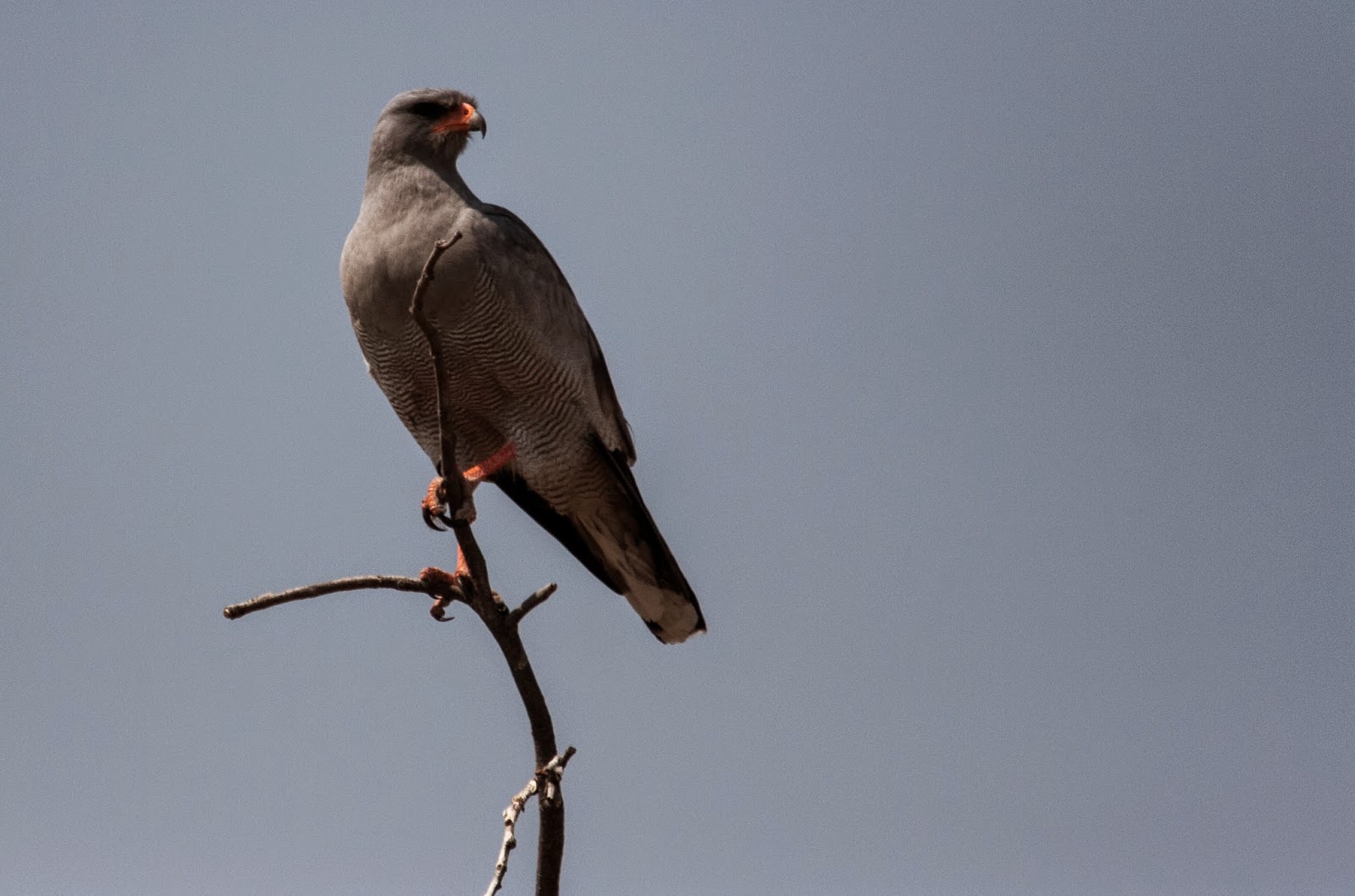
Pale Chanting Goshawk etosha Namibia
Astore Pallido Cantante - Pale Chanting Goshawk -Melierax canorus
 Etosha national Park
 Namibia ©Andrea Pompele All Rights Reserved
Mah i testi di sociologia hanno mille risposte, secondo me la risposta è semplice: non vogliamo farlo, tutto qui, preferiamo passare il tempo a fare altro. E questo è assolutamente legittimo, ognuno del suo tempo fa quello che gli pare, ma se abbiamo tutta questa potenzialità a portata di mano perché non usarla? I social network sono a mio avviso fantastici, grazie a questi puoi stare in comunicazione con un sacco di persone lontane e sono veramente molto utili. 

La mia amica Nicoletta, ad esempio, riusciva a lavorare e restare in comunicazione con l'Italia senza problemi, lei è un'esperta di comunicazione non convenzionale e ha un blog molto carino (http://www.gustofragola.com/nicolettacrisponi/). Il suo sistema si chiama Nomad Working ed è una grande opportunità: permette di svolgere il proprio lavoro dovunque ci sia una connessione internet. "Va beh ma cosa c’entra con la savana?" "C’entra eccome!" In quasi tutti i lodges e campi tendati c’è il wi-fi, non sempre funziona bene e a volte quando ci sono molti devices connessi proprio si pianta, ma è molto utile per comunicare con parenti e amici dall’altra parte del mondo. Il suo utilizzo a mio avviso deve essere sempre comunque in seguito all’esperienza che si sta vivendo e mai antecedente, altrimenti c’è il rischio di non godersela a pieno, passando il tempo a chattare sul cellulare, come mi è spesso capitato di vedere. Condividete per carità! E chattate, postate foto e tutto il resto, ma fatelo alla fine della giornata, non durante la cena senza staccare gli occhi dall’I-phone, altrimenti non vivete nulla di diverso che dall’Italia, non credete?
Acacia tree Etosha Namibia
Il più famoso albero di Acacia di Etosha -The most famous Acacia Tree in Etosha National Park - Namibia ©Andrea Pompele All Rights Reserved
Diverso discorso per le macchine fotografiche. Sia ringraziato il cielo che nella maggior parte dei campi tendati c’è la luce in camera, così posso caricare le batterie della mia reflex. Ma in qualsiasi caso ho acquistato un accumulatore a pannelli solari che mi consente di attaccare qualsiasi device ed essere sempre in carica…ah la tecnologia pulita come mi piace, ecosostenibile e assolutamente avanti. Devo ringraziare il mio collega Gianmarco per avermi consigliato ed accompagnato a comprarlo in Africa. Ah, la BUSH LIFE TECHNOLOGY...
Nei lodges e tented camps della Namibia per legge ci deve essere almeno una fonte di energia rinnovabile altrimenti non possono essere costruiti né tantomeno gestiti e aperti al pubblico, perciò normalmente la fonte di energia rinnovabile più sfruttata è l’energia solare, direi visto che in Namibia piove pochissimo è una condizione semidesertica e il sole è abbondante tutto l’anno. Docce ed energia elettrica funzionano benissimo e si accumulano durante il giorno perciò si può usufruire delle comodità che noi consideriamo standard senza problemi. Faccio notare però che costruire un lodge o un campo tendato di lusso in the middle of nowhere, non è proprio così semplice e tutte le comodità di cui fruiamo e disponiamo liberamente, non sono scontate, certo le paghiamo e a volte anche care, ma non per questo siamo autorizzati o legittimati a sprecare la preziosa energia che possiamo avere a disposizione. 
Parlo soprattutto dell’acqua, una risorsa universale e per fortuna non ancora di proprietà di nessuno, ma preziosissima per una nazione semi - desertica come la Namibia. Non dico di non usarla o usarla con parsimonia, questo no, lavarsi è importante e i Namibiani ci tengono moltissimo, ma di non buttarla via, usandola per soddisfare lo scopo che ci eravamo prefissati. Che sia quello di farci una doccia calda per scaldarci perché cavolo fa proprio freddo, piuttosto che per rilassarci. Usiamola pure, ma esaurita la sua funzione, non sprechiamola, dovremmo tenerne conto in tutto il mondo, anche a casa nostra, non solo in Africa, non credete? 
Poi non è che sia scontato avere il wi-fi nel deserto no?
namib desert wilderness safaris namibia
Kulala Wilderness Safaris Property - Namib Desert - Namibia  ©Andrea Pompele All Rights Reserved


Se vi è piaciuto questo articolo allora potreste essere interessati a lasciare un commento, oppure a leggere anche questi altri:

Africa, the mother land: Namibia. BUSH LIFE PT II

Africa, the mother land: Namibia. BUSH LIFE PT I