Small crab into the corals @Mafia Island - Tanzania ©Andrea Pompele All Rights Reserved

Small crab into the corals @Mafia Island - Tanzania ©Andrea Pompele All Rights Reserved
Visualizzazione post con etichetta namib desert. Mostra tutti i post

martedì 20 gennaio 2015

Africa, the mother land. Namibia: IL DESERTO E' VITA

Il deserto più antico del mondo è il deserto del Namib. Il deserto più vivo del mondo è il deserto del Namib.

Noi siamo abituati a pensare al deserto come un luogo senza vita, dove sole e sabbia sono le uniche cose che possiamo trovare, ma non è così. Ci sono da fare le opportune precisazioni in merito al concetto di deserto. “eccolo che riattacca a parlare come un libro stampato…, cerca di non essere pedante e noioso ‘sto giro, eh?” “certamente” “ecco, appunto.”

Il deserto non è solo fatto di sabbia, anzi, le maggiori zone desertiche calde del mondo sono per lo più costituite da suolo roccioso, perciò il concetto di dune di sabbia, che peraltro costituiscono solo una minima percentuale dei deserti di tutto il mondo, dobbiamo accantonarle per un attimo. Lo stesso Sahara è costituito per la maggior parte di rocce e ciottoli e si divide in 3 parti: Hammada, la parte rocciosa, Serir o Reg, la parte ciottolosa e Erg, appunto la parte sabbiosa. Il Bacino ininterrotto sabbioso più grande del mondo invece è il Kalahari, interamente costituito da sabbia ossidata.

Ma torniamo al Namib. Nel Namib c’è un sacco di vita.
Acacia erioloba - Namib Desert -  Namibia ©Andrea Pompele All Rights Reserved
Ci sono molte piante “piante nel deserto? No vabbeh adesso non esagerare” ci sono alberi secolari, come l’Acacia erioloba, erbe di vari tipi, come la bushman grass, e piante particolari come il melone !Narra (Ancanthosicyos horridus). Ognuna di queste piante adattate alla vita desertica riesce a sopravvivere in condizioni molto estreme grazie a una serie di adattamenti particolari: alcune di esse hanno radici che in profondità possono arrivare fino a 60 o 80 m per attingere alle falde freatiche nel sottosuolo abbondanti di acqua  impossibile da raggiungere altrimenti, hanno una superficie fogliare che permette loro di catturare l’energia solare, senza disperdere troppa acqua per traspirazione, hanno spine e fusti contorti per difendersi dal consumo animale e crescono in zone tra le dune per potersi proteggere dal vento e raccogliere l’acqua che si condensa ogni mattina dalla formazione della nebbia, consolidano le dune più antiche e colonizzano la porzione non battuta dai venti contribuendo alla stabilizzazione di queste. (Plants of Namibia)

Ma non sono i soli abitanti del deserto.

Ci sono insetti, coleotteri tenebrionidi in particolare, circa 200 specie diverse, che hanno evoluto un sistema sofisticato per catturare la nebbia e condensarla sulla superficie del loro corpo per far sì che le gocce vadano direttamente nella loro bocca. Si nutrono per la maggior parte di materiale vegetale morto, portato dal vento oppure in decomposizione tra una duna e l’altra e costituiscono la base della catena alimentare degli animali che popolano il deserto. 

Ci sono ragni (Carparachne aureoflava ), talmente evoluti da costruirsi una tana nella sabbia e riuscire 
Cartwheeling spider - Carparachne aureoflava - Namib Desert - Namibia 
a coprire l’ingresso di questa con una sottile ragnatela ricoperta si sabbia, una “trapdoor” una trappola che consente a questi di cacciare e di nascondersi dal caldo della superficie. Ci sono gechi con mille colori (Geco palmato Pachydactylus rangei), anch’essi vivono in tane sotto la sabbia e si nutrono di insetti ragni e scorpioni, ci sono lucertole che sono in grado di scavare nella sabbia un rifugio in pochissimi secondi grazie alla particolare conformazione del muso, la shovelsnouted lizard,


Namib Gecko - Pachydactylus rangei - Namib Desert - Namibia
la lucertola “muso di vanga” (Zeros anchietae), ci sono serpenti che possono mimetizzarsi sotto la superficie facendo uscire soltanto gli occhi e una piccola parte della coda che usano per attirare i roditori e potersi procurare un buon pasto.
Shovel snouted Lizard - Zeros anchietae - Namib Desert - Namibia
Ci sono uccelli, passeriformi, insettivori, o granivori che si nutrono di semi delle piante presenti. Rapaci, falchi, aquile, avvoltoi. Ci sono topi, arvicole, mammiferi roditori, volpi del deserto, otocioni, predatori micidiali, ci sono iene brune, iene maculate, giraffe, springboks, orici, le antilopi meglio adattate alla vita del deserto, con una temperatura corporea di base di 43° C che non accumulano mai troppo calore e hanno una “rete” di vene attorno al cervello in grado di evitare il surriscaldamento sotto l’azione del sole, per poter contrastare l’abbassamento di temperatura notturno così drastico senza andare sotto la soglia di sopravvivenza per un organismo omeotermo. “Omeo che?” “che ha una temperatura interna del corpo costante, tutti i mammiferi, sono a sangue caldo, mentre i rettili sono a sangue freddo e dipendono dalla temperatura esterna” “ah…” ci sono leopardi, caracal, e il leoni. I leoni del deserto. http://www.desertlion.info/


Ma quello che colpisce di più la nostra sensibilità è pensare che ci sono milioni di miliardi di semi quiescenti sotto la sabbia che non aspettano altro che una goccia di acqua per poter crescere e svilupparsi in nuove piante con spettacolari fiori. Perché succede proprio così: nel deserto piove. Contrariamente a ciò che pensiamo, normalmente piove, in determinati periodi dell’anno e non tutti gli anni, ma piove. L’acqua non rimane che non per pochissimo e tutte le forme di vita che lo popolano ne sfruttano ogni minima goccia nel minor tempo possibile, aumentando così la propria possibilità di sopravvivenza.

È il deserto più antico del mondo. È il deserto più vivo del mondo, bacino di biodiversità entusiasmante per un biologo evoluzionista come me, e di un fascino incredibile per chiunque. È il Namib.


Blooming - Tribulus terrestris - Namib Desert - Namibia


ENGLISH VERSION

The oldest desert in the World is the Namib Desert. The richest in desert  life in the World is the Namib Desert.

We are accustomed to think of desert as a place without life, where sun and sand are the only things that we can find, but it’s wrong. We have to clarify some things regarding the concept of desert. "OMG! He’s starting to talk like a scientific book ..., try not to be pedantic and boring this time, please" "Certainly" "in fact..."

Desert is not only made of sand, indeed, the world's largest hot desert areas are mostly made up of rocky soil, so we must put aside for a moment the concept of sand dunes, which also make up only a small percentage of deserts of the World. The Sahara, the largest hot desert in the World consists mostly of rocks and pebbles, and is divided into 3 parts: Hammada, the rocky part, Serir or Reg, pebble part and Erg, precisely the sandy part. The world's largest uninterrupted sand basin In the World is instead the Kalahari, entirely made up of oxidized red sand.

Let’s go back to the Namib. In the Namib there's plenty of life.

There are many plants "plants in the desert? No are you kidding us?" There are old trees, such as Acacia erioloba, herbs of various kinds, such as the bushman grass, and unusual plants such as melon! Narra. Each of these desert adapted life plants can survive in very extreme conditions due to a series of special adaptations: some of them have deep roots that can reach up to 60 or 80 m to tap into underground aquifers abundant water otherwise impossible to reach up, they present leaf surface that allows them to capture solar energy, without losing too much water through transpiration, they have thorns and twisted stems to defend themselves from animal consumption and they grow in areas between the dunes to protect themselves from the wind. They reap the condensed 'water every morning by the formation of fog, they consolidate the oldest dunes and they colonize the not windswept portion contributing to the stabilization of these.(Plants of Namibia)


But they’re not the only desert’s inhabitants

There are bugs, tenebrionid beetles in particular, about 200 different species that have evolved a sophisticated system to capture the fog and condense it on the surface of their body, so the drops go directly into their mouths. They feed mostly dead plant material, carried by the wind or decomposing between a dune and the other, and they form the basis of the food chain of animals that live in desert. There are spiders, so evolved to build a nest in the sand and be able to cover the entry with a thin cobweb covered by sand, a "trapdoor" a trap that allows them to hunt and hide from the hot surface. There are geckos with a thousand colors, they also live in burrows in the sand and feed on insects, spiders and scorpions, there are lizards that are able to dig in the sand a refuge in few seconds due to the particular shape of the muzzle, the shovelsnouted lizard, there are snakes that can camouflage itself below the surface while leaving only the eyes and a small part of the tail that they use to attract rodents and be able to provide a good meal. There are birds, passerines, insectivores, or granivorous that feed on seeds of the plants. Raptors, hawks, eagles, vultures. There are mice, voles, rodents, mammals, desert foxes, bat-eared fox, deadly predators, there are brown hyenas, spotted hyenas, giraffes, Springboks, oryx, the better desert adapted antelopes, with a body temperature of 43 ° C that do not accumulate too much heat, in order to counter the lowering of temperature night so drastic without going below the threshold of survival for a warm-blooded organism, they have a "network" of the veins around the brain able to avoid overheating under the action of the sun. "Omeo what?" "Which has a constant internal temperature of the body, all mammals are warm-blooded, while reptiles are cold-blooded and depend on the outside temperature" "oh ..."
there are leopards, caracals, and the lions . The desert lions. http://www.desertlion.info/

What is most striking about our sensitivity is to think that there are millions of billions of dormant seeds in the sand, just waiting for a drop of water to grow and develop into new plants with spectacular flowers. Because it’s just that: it's raining in the desert. Contrary to all what we think about, it usually rains, at certain times of the year and not every year, but it rains. The water could not remain for a long time, and all life forms that live in these conditions exploit every drop in the shortest time possible, thus increasing their chances of survival.

It’s the oldest desert in the World. It’s the richest of desert life in the world, an incredible biodiversity basin exciting for me as an evolutionary biologist, and very fascinating for anyone. It’s the Namib.

lunedì 12 gennaio 2015

Africa, the mother land: Namibia. IL DESERTO E' COME LE ALPI

Il deserto è duro. O ti piace o non ti piace. Non c’è un compromesso, tipo: “ma sì mi piace, ma non mi fa impazzire”. O lo ami o lo odi. È un ambiente estremo e come tutti gli ambienti estremi può entrarti nel cuore oppure esserti indifferente.

Una cosa è certa: non è facile.

Sunrise @Namib desert - Namibia ©Andrea Pompele All Rights Reserved
In questo il deserto è come la montagna, bisogna avere rispetto di sé, prima di tutto, poi della montagna altrimenti ti toglie la vita in un secondo. Io lo so, ci sono nato in montagna, sulle alpi occidentali, le più alte d’Europa, dove puoi trovare ambienti di tutti i tipi, dalle foreste di conifere alle praterie alpine soprai i 1800 m, dalle rocce a picco, i salti di roccia, ai ghiacciai perenni, dove il sole è forte, molto forte, e sopra una certa altitudine tutto sembra assumere una diversa prospettiva. Dove la bellezza e la natura sono ancora padroni e ti avvolgono completamente.

“Scusa ma non stavamo parlando del Deserto?” “Sì certo!” “e cosa c’entrano le Alpi?” “c’entrano c’entrano…”

Sand of the Namib Desert - Namibia ©Andrea Pompele All Rights Reserved
Vedete nel deserto è la stessa cosa, la natura e le sue forze dominano completamente, tu non sei altro che un minuscolo granello di sabbia all’interno del deserto. E il deserto è antico come le montagne, ne ha la stessa forza, ne possiede le stesse caratteristiche, è duro, estremo, caldo e freddo allo stesso tempo, ed esige rispetto.


La notte è gelida, d’inverno, da 0-5 gradi e il giorno è rovente arriva a 30 C, spira un vento freddo oppure caldo, secco o carico di umidità. “Umidità nel deserto?” “Ma certo!” “ora ci arriviamo…con calma” un vento che può gelarti le ossa appena cala il buio e il buio cala in fretta in Africa, oppure toglierti le forze dal calore che spira, e non riesci a dormire e nemmeno a pensare. 

Il sole è forte, l’insolazione è molto potente, e bisogna proteggersi la testa molto bene, e bere frequentemente piccoli sorsi d’acqua. Non serve berne una grande quantità, anzi sarebbe controproducente, primo perché l’acqua è una risorsa preziosa e se la finisci subito poi come fai?  Secondo perché più bevi, più aumenti la traspirazione, quindi rischi la disidratazione con conseguenti problemi di mal di testa, febbre, e fastidi gastrointestinali, non esattamente piacevoli da affrontare in the middle of the desert. Occorre perciò idratarsi in maniera corretta, con piccole quantità. Ma bisogna farlo!ù

Sunset @Namib desert - Namibia ©Andrea Pompele All Rights Reserved
Nel deserto non si suda, non molto almeno, ed è naturalmente dipendente da ognuno di noi, ma si può rapidamente giungere a questa conclusione, non si sente la sete inizialmente: la pelle e i capelli si seccano subito però e man mano che passa il tempo il nostro corpo richiede più liquidi. Arriva la sete e può essere insostenibile a quel punto. Un vero incubo.

L’inverno nel deserto assomiglia all’estate alpina. È esattamente uguale. Tutte queste cose ci sono anche sulle Alpi, perciò sono molto simili come ambienti. Tutte queste dinamiche si possono riscontrare anche in Montagna, nello stesso identico modo, che tu sia un escursionista o un alpinista, uno scalatore o uno sportivo devi stare attento alle stesse cose se vuoi godere appieno della bellezza.

E la bellezza è una dominante del deserto. Non importa che deserto sia, non importa in che parte del mondo ti trovi, lo splendido fulgore dell’ambiente desertico ti può colpire, affascinare, ti fa innamorare o ammalare.

Sand of the Namib Desert - Namibia ©Andrea Pompele All Rights Reserved
Conosco persone che amano letteralmente i deserti, non possono farne a meno, sono guidati da questi ampi spazi, dove l’orientamento viene meno e tutto sembra uguale, dove i suoni si propagano e si spezzano immediatamente, dove il cielo sovrasta un mare di sabbia di tanti colori, o rocce brune dall’aspetto minaccioso. 

La mia cara amica Michela è così: lei ama il deserto, si trova a suo agio, libera e completa. Lei pensate che riesce a trovare un inconsapevole oppure io penso totalmente cosciente, modo per viaggiare da un deserto all’altro. riesce sempre a stupirmi questa cosa, perché lei non sembra farci piuttosto caso, ma alla fine si ritrova sempre nei deserti: Sahara, Namib, Kalahari, Dancalia, etc… si vede che lei ne ha bisogno. E io la rispetto molto per questo. 

Le persone come lei trovano nel deserto lo spazio meditativo che li fa avvicinare a loro stessi, alla loro intimità e alla loro fragilità, ma nello stesso tempo ti fanno tirare fuori il meglio di te, la tua forza, il tuo coraggio e le tue qualità. Sbattendoti in faccia quanto piccolo ed inutile tu possa essere, sebbene ti creda un grande uomo, e facendoti capire chi sei in realtà. Semplicemente essendo sé stesso. Il deserto non mente mai, non accetta bugie o sotterfugi, macchinazioni o strategie, è potente e sincero. Mistico e brutale.

Il deserto è la vita. 


Lost road into the Namib - Namibia ©Andrea Pompele All Rights Reserved


Se vi è piaciuto questo articolo allora potreste essere interessati a lasciare un commento, oppure a leggere anche questi altri:

Africa, the mother land: Namibia. IL FIUME DEGLI ELEFANTI PT III

Africa, the mother land: Namibia. IL FIUME DEGLI ELEFANTI PTII

Africa, the mother land:Namibia. IL FIUME DEGLI ELEFANTI PT I

Africa, the mother land: Namibia. HOW IS IT? VEEEEERY VERY HOT


ENGLISH VERSION

The desert is hard. Either you like it or not . There’s no compromise: "yeah I like, but I'm not crazy about."

You either love it or hate it. It's an extreme environment and like all extreme environments in the world  could enter you heart or you could be unconcerned about it.

One thing is sure: it is not easy.

Desert is like Mountain, you should have self-respect, first of all, otherwise mountain could kill you in a second. I know that, I was born in the middle of mountains, on Western Alps, the highests in Europe, where you can find all kinds of environments, from coniferous forests to alpine meadows over 1800 m , from sheer cliffs, rock jumps, glaciers, where the sun is strong, very strong, and above a certain altitude everything seems to take a different perspective. Where beauty and nature are still powerful masters and surround you completely.

"Sorry, but we were not talking about the desert?" "Yeah!" "And what matters the Alps?" "they matter, they matter...”

In the desert is the same thing, the nature and its forces dominate completely, you are nothing but a tiny grain of sand. And Desert is as old as Mountains, it has the same strength, it has the same features, it's hard, extreme heat and cold at the same time, and demands respect.

The night is cold, in winter, by 0-5 degrees and the day is hot reaches 30 C, wind blows cold or hot, dry or loading moisture. "Humidity in the desert?" "Of course!" "Now we get there...calmly"  wind that can freeze your bones after dark and darkness falls quickly in Africa, or take off the forces from the heat that blows, and you cannot sleep at night and even think.

The sun is strong, the insolation is very powerful, and you have to protect your head very well, and frequently drink small sips of water. No need to drink a great deal, in fact it would be counterproductive, first because water is a precious resource, and if you end it up right away then how can you manage? Second, because the more you drink, the more perspiration increase, then the dehydration risks occurs. The results? Problems of headache, fever, and gastrointestinal discomfort, not exactly pleasant to deal with in the middle of the desert. Therefore it’s necessary to hydrate properly, with small amounts of water. But you have to do it!

In the desert you don’t sweat, at least not much, it’s dependent on each of us, but you can quickly reach conclusion, you don’t feel the thirsty initially: the skin and the hair dries quickly, however, and as time passes your body requires more fluids. Then it comes the thirst and it can be unbearable at that point. A real nightmare.

Winter in the desert looks like Alpine summer. It’s exactly the same. All of these things are also in the Alps, so they are very similar as environments. You can find all of these dynamics in Mountain, exactly in the same way, if you're a hiker, a climber or an athlete, you have to be careful about the same things if you want to enjoy the beauty.

And beauty is dominant in deserts. No matter what desert is, no matter where in the world you are, the beautiful desert environment can hit you, fascinate, makes you fall in love or get sick.

I know people who love literally deserts, they are driven by these large spaces, where the orientation is less and everything looks the same, where the sounds promulges and break immediately, where the sky above a sea of sand is made by many colors, or brown scary rocks. My dear friend Michela is so: she loves the desert, she is at ease, free and complete. I think she can find an unconscious or totally conscious way to travel from one desert to another.  It always surprises me, because she doesn’t seem to give attention to it, but in the end she always stays in the deserts of Sahara, Namib, Kalahari, Dancalia, etc ... you can see that she needs it. And I give her al lot of respect  for that. 
People like her are in a meditative space that makes them closer to themselves, to their intimacy and their fragility, but at the same time makes you bring out the best of you, your strength, your courage and your qualities . showing you how small and useless you may be, although you believe to be a great man, and making you understand who you really are. Simply being yourself. Desert never lies, does not accept lies or deceit, machinations or strategies, is powerful and sincere. Mystical and brutal.

mercoledì 7 gennaio 2015

Non c'è avventura senza Video - There's no Adventure without videos: SOSSUSVLEI NAMIB DESERT 4X4


Non c'è Avventura senza video giusto?

Quarto video preparato per voi: SOSSUSVLEI 4X4 EXPERIENCE, NOT AN ORDINARY DESERT EXPERIENCE

Buona visione


Se vi è piaciuto questo video allora potreste essere interessati a vedere anche questi altri:

SANDWICH HARBOUR 4X4 NAMIB DESERT


There's no Adventure without video, don't you think?

Here the fourth video made for you: SOSSUSVLEI 4X4 EXPERIENCE, NOT AN ORDINARY DESERT EXPERIENCE

Have a good vision

If you like this video, maybe you can watch these others:

SANDWICH HARBOUR 4X4 NAMIB DESERT

A NIGHT DRIVE WITH LIONS

mercoledì 10 dicembre 2014

Africa, the Mother Land: Namibia. HOW IS IT? VEEEEERY VERY HOT

"Hey Man! How is it? Veeeery very hot!" 
Era la domanda che facevo tutti i giorni al ragazzo che condivideva la stanza con me, Mervin, al Damaraland Camp e lui rispondeva sempre così. 
E aveva ragione. 
C’era un caldo infernale durante il giorno, da schiattare; e la notte un freddo pazzesco, da gelare. Ma questo lo potete già immaginare da voi, se avete prestato attenzione in precedenza ( IN AFRICA NON FA CALDO). 
Sono stato per un periodo nel Damaraland, una delle zone più sperdute del mondo, non troppo sperduta a dir la verità rispetto ad altre zone della Namibia, ma con una bellezza entusiasmante in ogni suo aspetto, caldo e freddo compresi.


La prima volta che ci sono stato, a maggio durante il mio periodo di training per diventare guida di safari, mi sono messo a piangere, la seconda volta mi sono perso, la terza volta mi sono innamorato di una ragazza stupenda, di una bellezza entusiasmante, che non sa di esserlo, la quarta mi sono perso un’altra volta e la strada sembrava non finire mai sul calar della sera, la quinta volta ci sono rimasto per un bel po’, e mi è entrato nel sangue.

heart damaraland namibia safari
In the heart of Damaraland - Damaraland - Namibia ©Andrea Pompele All Rights Reserved
Ma partiamo dal principio, "va beh non proprio dai, diciamo dall’ultima volta!" "Ok partiamo dall’ultima volta." 
Sono stato mandato nel Damaraland dal mio capo a fare un po’ d’esperienza e a dare una mano in un campo tendato della Wilderness Safaris, il Damaraland Camp appunto. 
Ho volato con un volo interno della Wilderness Air fino ad Ongava, la mia seconda casa, (ricordate l’Andersson’s Camp? BIG MAN Bravi vedo che state attenti) e da lì fino al campo fratello, il Doro !Nawas Camp. 
Arrivato lì non sapevo come raggiungere il mio campo quindi ho chiesto aiuto alle ragazze, di solito preferisco chiedere a loro, sapete com'è le preferenze sono preferenze...che molto gentilmente hanno chiamato l’Head Manager del DMC (Damaraland Camp ma da ora lo chiameremo così ndr): Maggie, una donna fantastica, energica e sveglissima, con i capelli corti e un sacco di voglia di ballare, ma lo scoprirete più avanti questo.
Maggie al telefono mi dice che manderà qualcuno a prendermi, e chi manda? Mervin, un ragazzo di 23 anni, che ne dimostra 12, piccolo, magro e assolutamente improbabile come driver, a primo acchito, che sta facendo uno stage tramite l’università nei campi Wilderness.
damaraland sunrise namibia safari
Sunrise in the heart of Damaraland -  Damaraland - Namibia ©Andrea Pompele All Rights Reserved
Beh il miglior driver di Land Rover che io abbia mai conosciuto, andava dappertutto, ma questo è merito della macchina, con uno stile senza eguali, senza scarpe e ogni tanto mollando anche il volante, perciò sospettai che quel Land avesse un segreto, e in seguito scoprì che era stato usato una quantità indefinibile di anni, perciò praticamente i percorsi li conosceva da solo, ed era meraviglioso guidarlo.


Il Damaraland è la parte nord occidentale di una zona intermedia tra il bioma savana e il bioma deserto, e si chiama bioma Nama Karoo, perché si estende lungo tutta la Namibia, come una fascia longitudinale che poi sfocia in Sud Africa, nel deserto del Karoo appunto. È caratterizzata da piante adattate ad una vita semidesertica e animali meravigliosi.
Sopra il Damaraland c’è il Kaokoveld, abitato dagli Himba, una delle zone più sperdute del mondo, dove è difficile arrivare persino con il 4X4 in certe aree e dove la popolazione, gli Ovahimba appunto vivono ancora come nel 1500 d.c., rifiutando ogni forma di modernità e contemporaneità. Sono allevatori e pastori nomadi, appartenenti allo stesso ceppo degli Oshiherero o Herero con i quali condividono la lingua e alcune usanze. 
Provengono in realtà dal Nord, dall’East Africa e hanno seguito la migrazioni delle popolazioni di lingue di ceppo Bantu che sono partite dal West Africa, sono giunte in East Africa e poi hanno colonizzato la Southern Africa.


"Grazie non ci abbiamo capito niente, ma non dovevamo parlare del Damaraland?" "Ah sì giusto". 
Nel Damaraland vivono i Damara o Berg Damara, un mistero antropologico. E cosa hanno di misterioso? 
Beh primo sono di aspetto negroide (inteso sempre in senso biologico, senza alcuna implicazione razzista sia ben chiaro) ma non sono come le altre tribù che presentano tratti caratteristici negroidi: sono bassi, forti, e resistenti, uomini e donne comprese, abituati a resistere a condizioni di temperatura e siccità che potrebbero mettere in ginocchio anche il più esperto esploratore del deserto. 
Un mio caro amico guida, anche lui Damara ama dire che le donne sono come i Land Rover: Built Strong To Last Long! Lasciamo perdere le implicazioni che potrebbero riguardare questa affermazione… 
Secondo non parlano una lingua Bantu, bensì una lingua Click! Il Click language è considerato da molti antropologi una delle lingue più antiche d’Africa, sicuramente la prima che è comparsa in Southern Africa ed è condivisa da diverse popolazioni, i Damara, i Nama, i Boscimani (San), Khoi khoi, Khoi san e i Boscimani di Etosha, ma esistono delle differenze nella pronuncia dei click. E che cosa sono i click? Suoni che assomigliano a schiocchi pronunciati sui denti o sul palato. 
Una delle cose più affascinanti dell'Africa australe. I popoli.


Se vi è piaciuto questo articolo allora potreste essere interessati a lasciare un commento, oppure a leggere anche questi altri:

Africa, the mother land: Namibia. BUSH LIFE PT III

Africa, the mother land: Namibia. BUSH LIFE PT II

Africa, the mother land: Namibia. BUSH LIFE PT I


Africa, the mother land: Namibia. IN AFRICA NON FA CALDO

Oppure guardare un bel video:

NON C'E' AVVENTURA SENZA VIDEO

A NIGHT DRIVE WITH LIONS

ENGLISH VERSION


"Hey Man! How is it? Veeeery very hot!" 
That was the question I was doing every day to the boy who shared the room with me, Mervin, at Damaraland Camp and he always answered this. 
And he was right. 
There was hellishly hot during the day, to burst; and at night a crazy cold, to freeze. But you should already know if you have paid attention earlier (IN AFRICA IT'S NOT HOT). 
I have been for a period in the Damaraland, one of the remotest areas of the world, not too remote to be honest than other areas of Namibia, but with an exciting beauty in all its aspects, including hot and cold. 

The first time I was there in May during my period of training to become a safari guide, I started to cry, the second time I got lost, the third time I fell in love with a beautiful girl, with an exciting beauty that she’s doesn’t know about, the fourth time I got lost again and the road seemed endless at night, the fifth time I stayed there for a while, and I entered the blood.

But let's start from the beginning, "well not really from the beginning please, let's say the last time!" "Ok let's start from the last time." 

I was sent in Damaraland by my boss to get some experience and help in a tented camp of Wilderness Safaris, Damaraland Camp precisely. 
I flew with internal flight of Wilderness Air until Ongava, my second home, (remember the Andersson's Camp? BIG MAN Good you are careful!) and from there to the brother camp, the Doro! Nawas Camp. 
Got there I did not know how to get my camp so I asked for help to the girls, I usually prefer to ask them, you know, preferences are preferences ... who very kindly called the Head Manager of DMC (Damaraland Camp but starting from now we'll call it so): Maggie, an amazing woman, energetic and smart, with short hair and a lot of energy to dance, but you will find out later this. 
Maggie on the phone told me she will send someone to pick me up, and who send? Mervin, a 23-year-old guy who looks 12-year-old, small, thin and very unlikely as a driver, at first glance, he is doing an University internship in the Wilderness camps. Well the best driver of the Land Rover I have ever known, went everywhere, but this is about the car, with a style like no other, without shoes and sometimes even giving up the steering wheel, so I suspected that this Land Rover had a secret, and  later I discovered that it had been used an indefinable amount of years, so it virtually knew the paths, and it was wonderful to drive.

Damaraland is the northwestern part of an intermediate zone between the savanna biome and the desert, and it is called Nama Karoo biome, because it stretches along Namibia, as a longitudinal band which ends in South Africa, in the desert of the Karoo precisely. It is characterized by semi-desert adapted plants and wonderful animals. 
Above the Damaraland there is Kaokoveld, inhabited by the Himba, one of the remotest areas of the world where it is difficult to go even with the 4X4 in certain areas and where the population, the Ovahimba precisely still live as in 1500 AD, rejecting all forms of modernity and contemporary way of life. They are farmers and nomadic herders, belonging to the same strain of Oshiherero (Herero) with whom they share the language and some customs. 

They come in fact from the North (East Africa) and followed the migrations of Bantu speaking languages populations that departed from West Africa, arrived in East Africa and then colonized the Southern Africa. 
"Thanks we did not understand anything, but we were not to speak about Damaraland?" "Oh yes, right." 
Into the Damaraland they live the Damara or Berg Damara, an anthropological mystery. And what misterious things they have? 
Well, first of all they look Negroid (always understood in a biological sense, without any racist implication either) but they are not like the other tribes that have Negroid traits: they’re are not tall, but strong, and resilient, including men and women, accustomed to resist to conditions of temperature and drought that could bring down even the most experienced explorer of the desert. 
A dear friend guide, Damara, loves to say that women are like the Land Rover: Built Strong To Last Long! Forget the implications that could relate this statement... 
Second they not speak a Bantu language, but a Click Language! The Click Language is considered by many anthropologists one of the oldest languages of Africa, which is definitely the first appearance in Southern Africa and is shared by different populations: Damara, Nama, the Bushmen (San), Khoi Khoi, Khoi San and the Bushmen of Etosha, but there are differences in the pronunciation of clicks. And what are the clicks? Sounds that resemble click pronounced on teeth or palate. 

One of the most fascinating things in southern Africa. The peoples.


If you liked this article then you may be interested into comment or to read these others:


domenica 30 novembre 2014

Africa, the mother land: Namibia. BUSH LIFE PT III

steenbok etosha namibia
Raficero campestre - Steenbok - Raphicerus campestris - Etosha National Park - Namibia ©Andrea Pompele All Rights Reserved
Ah internet e il web che invenzione meravigliosa! Sono sempre stato un convinto sostenitore delle nuove tecnologie e della rete, credo personalmente che sia una delle invenzioni dell’umanità migliori del mondo, attraverso internet puoi trovare qualsiasi informazione sia per te necessaria, puoi capire, approfondire, studiare, prenotare, rimanere in contatto con i tuoi amici in giro per il mondo e tutta un’altra serie di aspetti che conoscete già, quindi non li enumererò. "Bravo stavi già cominciando a stancarci." Con internet puoi informarti e se non sai una cosa, al giorno d’oggi non hai più scuse, hai uno smartphone connesso quasi sempre alla rete telefonica e puoi scaricare qualsiasi informazione tu intenda approfondire. Allora perché non lo facciamo?
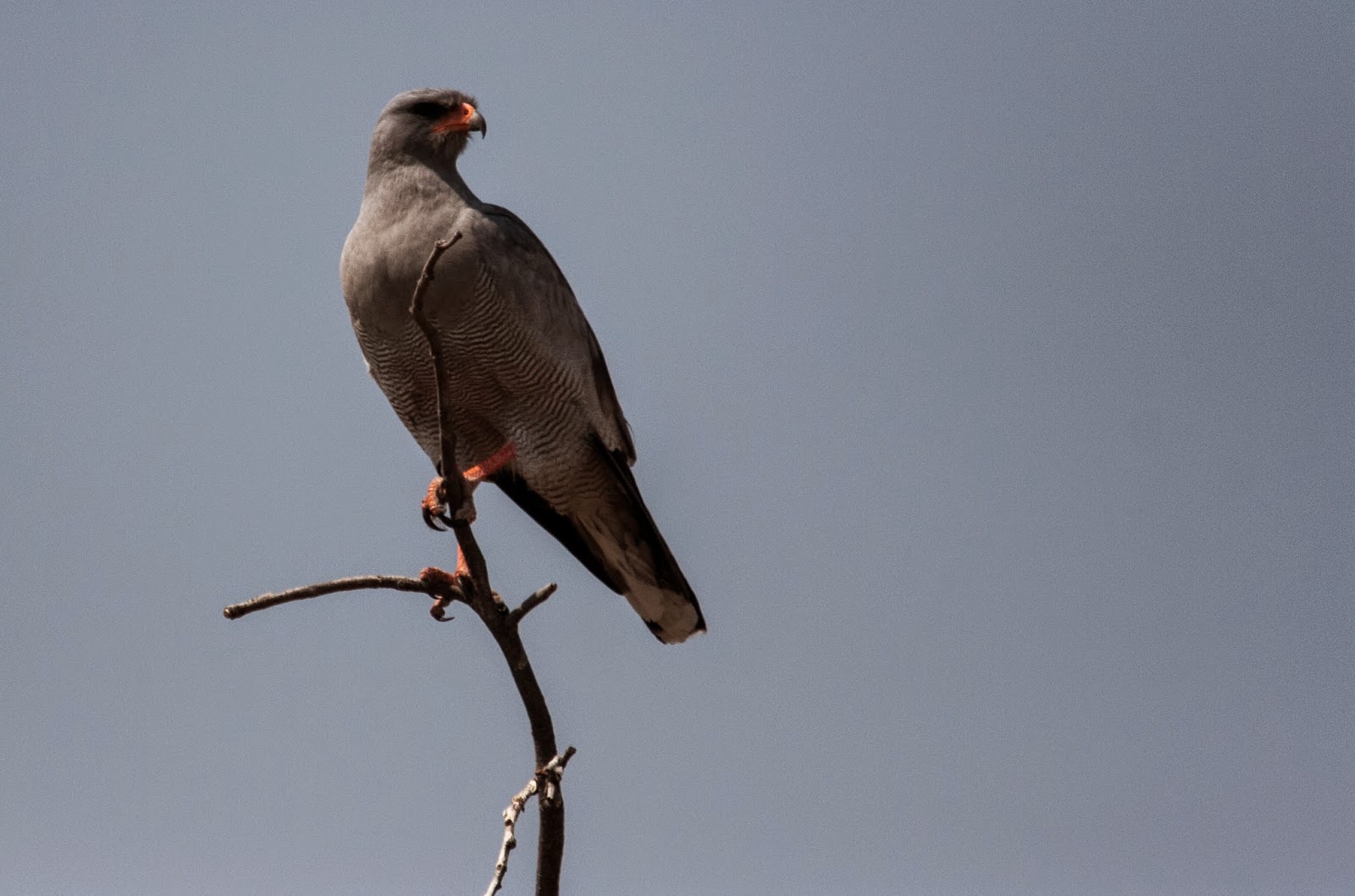
Pale Chanting Goshawk etosha Namibia
Astore Pallido Cantante - Pale Chanting Goshawk -Melierax canorus
 Etosha national Park
 Namibia ©Andrea Pompele All Rights Reserved
Mah i testi di sociologia hanno mille risposte, secondo me la risposta è semplice: non vogliamo farlo, tutto qui, preferiamo passare il tempo a fare altro. E questo è assolutamente legittimo, ognuno del suo tempo fa quello che gli pare, ma se abbiamo tutta questa potenzialità a portata di mano perché non usarla? I social network sono a mio avviso fantastici, grazie a questi puoi stare in comunicazione con un sacco di persone lontane e sono veramente molto utili. 

La mia amica Nicoletta, ad esempio, riusciva a lavorare e restare in comunicazione con l'Italia senza problemi, lei è un'esperta di comunicazione non convenzionale e ha un blog molto carino (http://www.gustofragola.com/nicolettacrisponi/). Il suo sistema si chiama Nomad Working ed è una grande opportunità: permette di svolgere il proprio lavoro dovunque ci sia una connessione internet. "Va beh ma cosa c’entra con la savana?" "C’entra eccome!" In quasi tutti i lodges e campi tendati c’è il wi-fi, non sempre funziona bene e a volte quando ci sono molti devices connessi proprio si pianta, ma è molto utile per comunicare con parenti e amici dall’altra parte del mondo. Il suo utilizzo a mio avviso deve essere sempre comunque in seguito all’esperienza che si sta vivendo e mai antecedente, altrimenti c’è il rischio di non godersela a pieno, passando il tempo a chattare sul cellulare, come mi è spesso capitato di vedere. Condividete per carità! E chattate, postate foto e tutto il resto, ma fatelo alla fine della giornata, non durante la cena senza staccare gli occhi dall’I-phone, altrimenti non vivete nulla di diverso che dall’Italia, non credete?
Acacia tree Etosha Namibia
Il più famoso albero di Acacia di Etosha -The most famous Acacia Tree in Etosha National Park - Namibia ©Andrea Pompele All Rights Reserved
Diverso discorso per le macchine fotografiche. Sia ringraziato il cielo che nella maggior parte dei campi tendati c’è la luce in camera, così posso caricare le batterie della mia reflex. Ma in qualsiasi caso ho acquistato un accumulatore a pannelli solari che mi consente di attaccare qualsiasi device ed essere sempre in carica…ah la tecnologia pulita come mi piace, ecosostenibile e assolutamente avanti. Devo ringraziare il mio collega Gianmarco per avermi consigliato ed accompagnato a comprarlo in Africa. Ah, la BUSH LIFE TECHNOLOGY...
Nei lodges e tented camps della Namibia per legge ci deve essere almeno una fonte di energia rinnovabile altrimenti non possono essere costruiti né tantomeno gestiti e aperti al pubblico, perciò normalmente la fonte di energia rinnovabile più sfruttata è l’energia solare, direi visto che in Namibia piove pochissimo è una condizione semidesertica e il sole è abbondante tutto l’anno. Docce ed energia elettrica funzionano benissimo e si accumulano durante il giorno perciò si può usufruire delle comodità che noi consideriamo standard senza problemi. Faccio notare però che costruire un lodge o un campo tendato di lusso in the middle of nowhere, non è proprio così semplice e tutte le comodità di cui fruiamo e disponiamo liberamente, non sono scontate, certo le paghiamo e a volte anche care, ma non per questo siamo autorizzati o legittimati a sprecare la preziosa energia che possiamo avere a disposizione. 
Parlo soprattutto dell’acqua, una risorsa universale e per fortuna non ancora di proprietà di nessuno, ma preziosissima per una nazione semi - desertica come la Namibia. Non dico di non usarla o usarla con parsimonia, questo no, lavarsi è importante e i Namibiani ci tengono moltissimo, ma di non buttarla via, usandola per soddisfare lo scopo che ci eravamo prefissati. Che sia quello di farci una doccia calda per scaldarci perché cavolo fa proprio freddo, piuttosto che per rilassarci. Usiamola pure, ma esaurita la sua funzione, non sprechiamola, dovremmo tenerne conto in tutto il mondo, anche a casa nostra, non solo in Africa, non credete? 
Poi non è che sia scontato avere il wi-fi nel deserto no?
namib desert wilderness safaris namibia
Kulala Wilderness Safaris Property - Namib Desert - Namibia  ©Andrea Pompele All Rights Reserved


Se vi è piaciuto questo articolo allora potreste essere interessati a lasciare un commento, oppure a leggere anche questi altri:

Africa, the mother land: Namibia. BUSH LIFE PT II

Africa, the mother land: Namibia. BUSH LIFE PT I