Small crab into the corals @Mafia Island - Tanzania ©Andrea Pompele All Rights Reserved

Small crab into the corals @Mafia Island - Tanzania ©Andrea Pompele All Rights Reserved
Visualizzazione post con etichetta whale dolphin. Mostra tutti i post

martedì 8 dicembre 2015

Africa, the mother land: Tanzania. PIENO DI VITA/FULL OF LIFE

“Se non fai immersioni ti perdi più della metà del mondo da vedere”
Moray eel Mafia island Tanzania
Moray eel@Mafia Island - Tanzania ©Andrea Pompele All Rights
E io non ho intenzione di perdermi proprio un bel niente.

Scorpion fish Mafia island Tanzania
Scorpion Fish@Mafia Island - Tanzania ©Andrea Pompele All Rights
L’esplorazione è la mia passione, più riesco a vedere cose nuove che non conosco e più il mio spirito si innalza ed il mio cuore è felice. “Se conosci vedi, se non conosci, non vedi.” Ci sono tante cose che non so, ma ci sono anche tante cose che conosco, onestamente. Diciamolo ogni tanto! “si va beh ma adesso non esagerare e non te la tirare per carità!” “va bene ok, tranquillo, ritorno normale, più o meno…”

dhow sailing Mafia island Tanzania
Dhow sailing@Mafia Island 

Tanzania ©Andrea Pompele All Rights
La spinta evolutiva ad andare a vedere il mondo è sempre presente e forte ed ho deciso di non limitarla in nessun modo, perciò tempo fa ho imparato a fare immersioni (Egitto). C’è talmente tanta vita da assaporare in ogni ambiente che francamente mi risulta alquanto difficile scegliere. La mia passione è la savana, ormai ve ne sarete accorti, ma il mare e la montagna sono sempre stati dentro al mio cuore, in uno mi sento libero, nell’altra ci sono nato. E se ci pensate bene ognuno di questi è legato da un filo comune: l’ambiente naturale. Detto questo passiamo ai fatti.

coral reef Mafia island Tanzania
Coral blocks on a dive site @Mafia Island 
Tanzania ©Andrea Pompele All Rights
Sono stato sotto il mare ancora una volta, nei fondali di Mafia Island al largo della Tanzania, Africa. E il mio stupore è cresciuto esponenzialmente. Il parco marino  ha protetto l’ambiente sottomarino preservandone l’integrità nonostante in parecchie zone al largo della Tanzania i danni provocati dal Bomb/Dynamite fishing, l’utilizzo di dinamite per pescare pesci senza distinzione di età, spaccando barriera corallina antichissima, che non potrà ricostruirsi che in qualche manciata di secoli, abbiano distrutto buona parte della ricchezza presente nel mare. Al solito i responsabili siamo noi.

dhow sailing Mafia island Tanzania
Dhow sailing@Mafia Island - Tanzania ©Andrea Pompele All Rights 
Ho fatto immersioni con il Mafia Island Diving Center che consiglio a tutti per la professionalità, l’attenzione, la cordialità e l’atmosfera tranquilla e rilassata. Il diving è una filosofia di vita e la protezione dell’ambiente ne è parte integrante, quindi le conversazioni davanti ad un caffè prima e dopo l’immersione sono quasi sempre orientate a scambiarsi impressioni ed esperienze, con spazio per riflessioni e risate in compagnia.

Perfetto.

cleaning shrimp Mafia island Tanzania
Cleaning shrimps on a Moray eel@Mafia Island 
Tanzania ©Andrea Pompele All Rights
È letteralmente un paradiso pieno di vita. È incredibile la ricchezza che ho potuto ammirare, non ho parole per descriverla. Dalle piccole cose alle più comuni, ad ogni angolo una scoperta non può che entusiasmarti. Da biologo ovviamente non posso che essere felice come un bambino davanti a ciò, ma ognuno di noi si può stupire della bellezza che ci circonda, imparando e godendone appieno. 
Kinasi pass, Milimani North e South, Chole’s Reef, Corinne’s Reef, Coral’s Garden, Coral’s Reef, Nudibranch’s City sono solo alcuni del dive spots dove potete immergervi all’interno della baia, poi ce ne sono altrettanti all’esterno.

butterfly fishes Mafia island Tanzania
Coral reef @Mafia Island - 
Tanzania ©Andrea Pompele All Rights 
Le immersioni sono legate alle maree, quando questa è alta si va all’interno della baia con visibilità perfetta, quando questa invece è bassa è consigliabile andare all’esterno, sebbene i due ambienti siano totalmente differenti. Nel primo non si va in profondità, il limite massimo raggiunto è 25 m e la maggior parte del tempo si sta tra i 12 e i 18 m con sorprese di  soli – 5 m ed un’incredibile giardino di corallo da scoprire. Nel secondo, invece le immersioni sono profonde e la quantità di pesci imbattibile, con passaggi anche di Marlin e pesci di grossa taglia, qualche squalo (pinna bianca e pinna nera di barriera), delfini e balene con un po’ di fortuna.

Coral's worm Mafia island Tanzania
Worm on Corals@Mafia Island - Tanzania ©Andrea Pompele All Rights
Io mi sono concentrato su quelle all’interno della baia, sono stato infatti a Mafia nel momento migliore, appena prima della luna piena e con l’alta marea e David e Danielle, che gestiscono il diving center mi hanno consigliato anche in base alle mie esperienze precedenti e le mie passioni. Attrezzatura nuova affittata al diving center, programma di massima deciso con conferma il giorno precedente, gruppi da 2, 3 persone per divemaster e dhow sailing con partenza dalla spiaggia. Non avevo mai fatto immersioni su una barca attrezzata del genere, è molto comoda e pratica e alla fine della giornata (2 immersioni dalla barca) si ha la possibilità di aprire la vela e navigare silenziosamente in maniera tradizionale con la visione del tramonto dal mare. 
white nudibranch Mafia island Tanzania
White nudibranch@Mafia Island - Tanzania ©Andrea Pompele All Rights
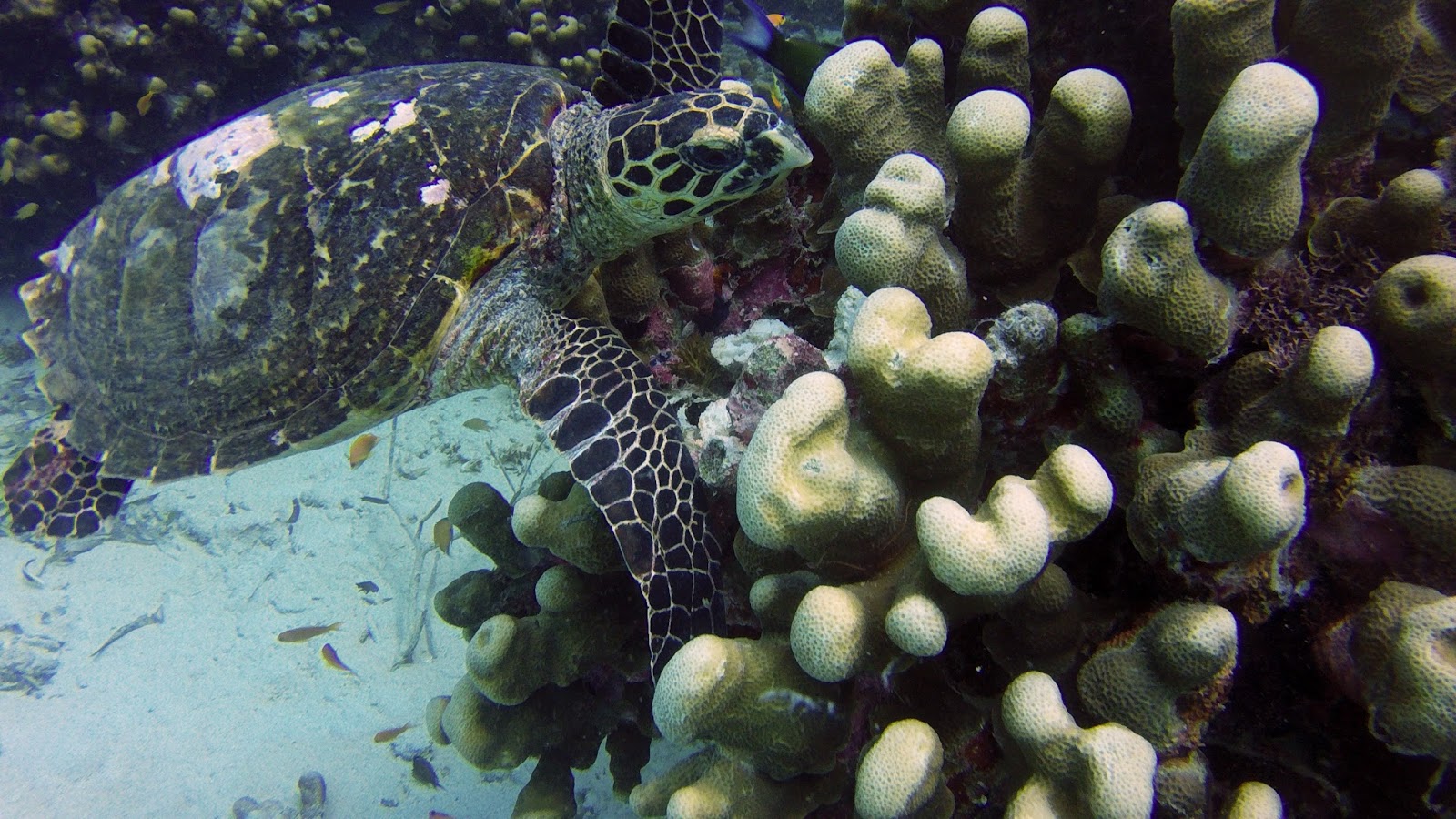
Anildo e Marielle, l’uno da Capo Verde e l’altra dall’Olanda sono stati i miei divemasters, conoscendo la mia inclinazione a cercare le cose piccole più inaspettate e a nuotare lentamente vicino al reef senza danneggiarlo, mi hanno mostrato in più occasioni moltissimi animali che non avevo mai visto: Nudibranchi come se piovesse, ovunque, una incredibile biodiversità con decine di specie diverse, flatworms di colori incredibili, vermi della sabbia con forme bizzarre, granchi del corallo e degli anemoni, gamberetti pulitori e boxer shrimps, tartarughe verdi, murene di specie diverse, paguri con la conchiglia adornata da anemoni e coralli, pesci di barriera, pesci coccodrillo, pesci farfalla, pesci angelo e coralli di colori e forme notevoli, una barriera intatta e sana.

Green Seaturtle Mafia island Tanzania
Green seaturtle@Mafia Island 

Tanzania ©Andrea Pompele All Rights

nudibranch eggs Mafia island Tanzania
Nudibranch's eggs @Mafia Island 

Tanzania ©Andrea Pompele All Rights
Finita la sosta di sicurezza siamo emersi e abbiamo aspettato che il dhow venisse a prenderci, mangiando un po’ di frutta e del Chapati tra un’immersione e l’altra oppure un pasto completo e via seconda immersione dopo il tempo di superficie. 

Tornare, 40 min circa, dal sito di immersione con navigazione tranquilla nel pomeriggio è un piacere dopo una giornata piena di vita.


dhow sailing Mafia island Tanzania
Dhow sailing sundown @Mafia Island - Tanzania ©Andrea Pompele All Rights


Se vi è piaciuto questo articolo allora potreste essere interessati a lasciare un commento, oppure a leggere anche questi altri:

IL PESCE PIU' GRANDE DEL MONDO

LA TEMPESTA


ENGLISH VERSION

"If you don’t dive you miss to see more than half of the world"

And I don’t want to miss anything.

Exploration is my passion, I can experience new things that I didn’t know and the more I explore my spirit rises and my heart is happy. "If you know, you see, if you don’t know, you don’t see." There are so many things that I don’t know, but honestly there are also many things that I do know. "What a big Ego! Okay don’t think so highly of yourself! "Okay okay, quiet, return normal, more or less ..."

Evolutionary desire to go and see the world is always present and strong and I decided not to limit it in any way, so long ago I learned to scuba dive (in Egypt). There is so much life to be enjoyed in every environment that frankly I find it very difficult to choose. My passion is for the bush, now this you will have noticed, but the sea and the mountains have always been in my heart, I feel free in one, the other is where I was born. And if you think about it, all of these places are linked by a common thread: the natural environment.

I was under the sea once again, in the depths of Mafia Island off the coast of Tanzania, Africa. And my astonishment grew exponentially. The Marine Park has protected the underwater environment while preserving the entirety despite in several areas off Tanzania damage being caused by Bomb / Dynamite fishing. The use of dynamite to catch fish regardless of age, breaking ancient coral reefs, which cannot be rebuilt for a handful of centuries, have destroyed much of this wealth in the sea. As usual we are responsible.

I went diving with Mafia Island Diving centre that I recommend to everyone for the professionalism, the attention, the friendliness and the atmosphere quiet and relaxed. Diving is a life philosophy, protecting the environment is an integral part of it and conversations over coffee before and after immersion are almost always oriented to exchange impressions and experiences, with space for reflection and laughter in the company.

Perfect.

It's literally a paradise full of life. It's amazing the richeness that I saw I have no words to describe it, from the smallest to the most common, at every corner a discovery to get excited about. As a biologist obviously I am as happy as a child in front of it, but every one of us can be impressed by the beauty around us, learning and enjoying it fully.

Kinasi pass, Milimani North and South, Chole's Reef, Corinne's Reef, Coral's Garden, Coral's Reef, nudibranch's City are just a few of the dive spots where you can go inside the bay, then there are others all outside the bay.

The dives are linked to the tides, when it is high tide you go within the bay for perfect visibility when the tide is rather low it's advisable to go outside the reef, although the two are totally different environments. In the first you don’t go deep, the maximum limit reached is 25 m and most of the time you are between 12 and 18 m with surprisingly many things to see at only - 5 m and an incredible coral garden to discover. In the second, instead the dives are deep and the quantity of fish is incomparable, with Marlins and other large fish passing, some sharks (reef's whitetip and blacktip sharks), dolphins and whales with a little luck.

I focused on the dives within the bay, I was in fact in Mafia during the best time, just before the full moon and high tide so David and Danielle, who run the diving centre, advised me based on my previous experience and my passions. With new equipment leased from the diving centre, program guidelines agreed with confirmation the day before, groups of 2/3 people per divemaster and dhow sailing departing from the beach. I had never dived on a boat equipped like that before, it's very comfortable and practical, and at the end of the day (after 2 boat dives) you have the option to open the sail and sail silently in the traditional way with the sunset view from the sea.

Anildo and Marielle, the one from Cape Verde and the other from Holland were my divemasters, knowing my inclination to look for the little and most unexpected things and to swim slowly near the reef without damaging it, they have shown me on several occasions many animals that I had never seen before: Nudibranchs everywhere, an incredible biodiversity with dozens of different species and flatworms with incredible colours, sand worms with bizarre shapes, coral crabs and anemones crabs, cleaner shrimps and boxer shrimps, green turtles, different species of moray eels, crabs with shell adorned with anemones and corals, reef fishes, crocodile fish, butterfly fish, angelfish and colourful corals with large forms. An intact and healthy barrier!

After the safety stop we emerged and we waited for the dhow to collect us, on board eating a bit of fruit and Chapati between dives or a full meal and continuing with a second dive after the surface time. Coming back then after 40 minutes from the dive site, sailing in the afternoon is a pleasure after a day full of life.

If you like this post maybe you can read also these ones:

THE LARGEST FISH IN THE WORLD

A BIG STORM IN THE SKY

THE DARK GOD

TREASURE ISLAND

SILENT NIGHTS ARE THE BEST NIGHTS

LIONS ARE ROARING AT NIGHT

THE TRIP

THE END OF AN ADVENTURE

martedì 3 marzo 2015

Africa, the mother land: Egypt. Mr Dugongo

“Hey man, how was the excursion?” “good, but no Andrea, no Dugong, it’s seems you are Mr. Dugongo”

I ragazzi mi prendono in giro così.

In effetti la cosa è strana, la prima escursione che ho fatto quando sono arrivato in Egitto era proprio per l’avvistamento del Dugongo, uno dei mammiferi marini più interessanti e minacciati. E proprio in quell’occasione l’abbiamo avvistato, poi anche tutte le altre volte è andata così, e devo dire di ritenermi fortunato. Non è molto comune avvistarlo e con gli animali selvatici liberi una buona dose di fortuna non fa male.
Dugong - SeaCow - Marsa Egla - Egypt ©Andrea Pompele All Rights Reserved
In primis perché il progetto che sto seguendo (IL PRIVILEGIO DI LAVORARE IN CIABATTE) presso il TGI DIVING MARSA ALAM mi sta offrendo l’opportunità di vivere in mezzo alla natura in continuo, di vedere posti incredibili e di fare scoperte e avventure sempre nuove e ricche di emozione. E per questo devo ringraziare la persona che ha ideato il progetto e che lo segue direttamente, una che non esito a definire una gran donna, con un bel caratterino ma che ci vede lungo e fa le cose come bisogna farle: facendole. Alessandra Sicilia.

Io e Ale ci siamo conosciuti in Italia, durante un corso di formazione e ci siamo capiti al volo, io non so stare fermo a far niente neanche se mi obbligano, ho una fame di scoprire e di conoscere che mi divora e lei ha una forte personalità e un sacco d’esperienza nel mondo del diving. Perciò abbiamo cominciato a legare immediatamente.
Dugong - SeaCow - Marsa Egla - Egypt ©Andrea Pompele All Rights Reserved
Praticamente un’associazione a delinquere, anche perché se decidiamo una cosa, non ci piove che non la facciamo. Lei e suo marito Lollo sono delle persone meravigliose, e hanno negli occhi quella scintilla che ti comunica “hey mi hai guardato bene bene in faccia? Non sono mica un pischellino di primo pelo!” e pure loro non ce la fanno mica a stare fermi. Perciò capite che quando Alessandra mi ha chiamato e mi ha proposto di mettere insieme il progetto e di partire, potevo forse dire di no? Sarei stato un’imbecille e tra i 1000 difetti che ho, questo non lo sono di certo.


Date a Cesare quel che è di Cesare, e direi che il merito va tutto a lei, peraltro se lo merita.

Ma torniamo al nostro amico Dugongo.

Il dugongo è un mammifero marino, ma è l’unico cetaceo erbivoro. “Scusa non è che potresti spiegarti meglio? Come al solito non si capisce niente…”, “adesso ci arriviamo”.

Appartiene all’ordine dei Sirenidi, la parola deriva proprio dalle sirene perché in epoca antica era stato confuso esse. Non a caso infatti possiede delle caratteristiche particolari: una lunga coda con pinna caudale bilobata che muove lentamente, ma molto efficiente, due pinne pettorali che vengono usate soprattutto per ancorarsi al suolo, poi vedremo perché, più che per muoversi e la posizione delle ghiandole mammarie decisamente inconsueta, il alto sul petto, cosicché da assomigliare proprio ad un seno femminile. 

Et Voilà la leggenda è fatta.

Dugong - SeaCow - Marsa Egla - Egypt ©Andrea Pompele All Rights Reserved
Ma non è l’unico mammifero che possiede un “seno” nella stessa posizione che abbiamo noi esseri umani, peraltro in comune a tutti primati, e sapete quali sono gli altri due? Ve lo dico io, l’Elefante e la Procavia. Inaspettato vero? In realtà sono strettamente correlate da un punto di vista evolutivo, hanno cioè un progenitore comune, non molto lontano, terrestre e di piccole dimensioni, che poi grazie alle pressioni evolutive si è “differenziato” in diversi animali, i cetacei, gli elefanti e le simpatiche procavie che hanno in comune diverse qualità, tra cui il modo di emettere suoni nello spazio chiamato ecolocazione e alcuni modi di comunicazione. 

Ma il nostro Mr. Dugongo è unico nel suo genere, infatti mentre tutti gli altri cetacei, sia che si tratti di delfini (odontoceti) piuttosto che balene (misticeti) sono strettamente carnivori, lui è erbivoro. 
Si nutre di una pianta marina che cresce soltanto in alcune baie (Marsa in arabo) in diverse parti del mondo, soprattutto in Mar Rosso. “piano, piano…piante marine? Vorrai dire alghe!” “no, no voglio dire proprio piante” si tratta di fanerogame marine che hanno un sistema radicale di ancoraggio al suolo, un fusto, delle foglie e fanno fiori emettendo polline, avendo una riproduzione sessuale proprio come le piante terrestri, ce n’è una anche nel mediterraneo si chiama Posidonia, ne avete mai sentito parlare?
Dugong - SeaCow - Marsa Egla - Egypt ©Andrea Pompele All Rights Reserved
Il nostro amico Dugongo divide il pasto con le tartarughe verdi in queste praterie marine dove scava dei sentierini a raggiera, molto simili a quelli che si trovano in savana che chiamiamo “game tracks”, le “dugongo tracks”, brucando con una certa fame questa tenera erbetta. E ne deve mangiare parecchia! Lui può arrivare tranquillamente fino a 4 m per 400 kg ed è un gigante tranquillo e rilassato senza particolari nemici naturali. A parte l’uomo ovviamente. È un mammifero e quindi dipende dall’aria che respira in superficie e ogni 8 minuti circa deve tornare in superficie per prendere una boccata d’aria, e lo fa senza troppe preoccupazioni.

Nonostante non sia assolutamente pericoloso per l’uomo e per niente aggressivo, bisogna comunque avere un certo codice di comportamento quando si avvicina un esemplare. Primo, non toccarlo (altrimenti vi stacco le mani) secondo non stargli troppo vicino e non troppo addosso, lui sta sul fondo e voi in superficie a fare snorkeling, ma direi che affollare troppo l’area non è cosa consigliabile potremmo disturbarlo e quindi, non volendo, scacciarlo da casa sua. Oltretutto personalmente ho una regola, che viene rispettata anche dai miei colleghi del diving, dopo circa un quarto d’ora di osservazione si ritorna a riva e si cerca di far capire agli ospiti, che sono fortunati ad aver avuto l’opportunità di vedere un animale in via d’estinzione, e che può essere sufficiente così, non credete? È molto meglio non disturbare troppo un animale, in modo da avere l’opportunità di rivederlo in un’altra occasione piuttosto che scacciarlo. Possiamo godere della natura in maniera diversa, più etica e a scopo conservazionistico, in modo migliore.

Green Sea Turtle - Marsa Egla - Egypt ©Andrea Pompele All Rights Reserved


Se vi è piaciuto questo articolo allora potreste essere interessati a lasciare un commento, oppure a leggere anche questi altri:

IL PRIVILEGIO DI LAVORARE IN CIABATTE

I DELFINI DI SATAYA


ENGLISH VERSION

"Hey man, how was the excursion?" "Good, but no Andrea, no Dugong, it's Seems you are Mr. Dugong"

The guys tease me so.

Indeed, the strange thing is, the first hike I did when I arrived in Egypt was just for the sighting of the Dugong, one of the most interesting and threatened marine mammals. And on that occasion we spotted, then also all the other times it went well, and I must say I feel lucky. It’s not very common to spot him and with wild animals free a good amount of luck doesn’t hurt

Primarily because the project I'm following (THE PRIVILEGE TO WORK IN FLIP FLOPS) at TGI DIVING MARSA ALAM is giving me the opportunity to live in nature continuously, to see amazing places and to make discoveries and adventures are always new and full of emotion. And for this I have to thank the person who conceived the project and that follows directly, one I don’t hesitate to call her a great woman with a temper but she looks far away and things to be done are done: Alessandra Sicilia.

Me and Ale we met in Italy, during a training course, and we understand each other immediately, I can not sit still and do nothing even if you force me, I have a hunger to discover and to know that consumes me and she has a strong personality and a lot of experience in the world of diving. So we started to bond immediately. Practically a criminal crew, because if we decide one thing, there's no doubt that we do not do it. She and her husband Lollo are wonderful people, and they have that spark in their eyes that tells you "hey I have a good look at my face? I'm not a nerd! "And they are not able to stand still. So understand that when Alexandra called me and asked me to put together the project and leaving, I could possibly say no? I would have been stupid, and between 1000 flaws that I have, for sure stupid I’m not.

Give to Caesar what is Caesar's, and I would say that the credit goes to her, however, she deserves it.

But back to our friend Dugong.

The dugong is a marine mammal, but it’s the only cetacean herbivore. "I'm sorry can you explain? As usual do not understand anything ... "" Now we get there. "

It belongs to the Sirenia order, the word derives from the mermaids because in ancient times it has been confused with them. Not by chance that owns the particular characteristics: a long tail with bilobate tail fin that moves slowly, but very efficient, two pectoral fins which are mainly used for anchoring to the ground, then we will see why, rather than to move and the position of the mammary glands very unusual, the upper chest, so as to resemble their own to a female breast. 

Et Voilà the legend is made.

But it’s not the only mammal that has a "breast" in the same position with human beings, however, common to all primates, and you know what are the other two? I tell you, the Elephant and the Hyrax. Unexpected true? Actually they are closely related to an evolutionary point of view, that is, they have a common ancestor, not very far, land based and small, who then thanks to evolutionary pressures was "differentiated" in different animals, whales, elephants and nice hyrax that share several qualities, including how to make sounds in space called echolocation and some ways of communication. But our Mr. Dugong is unique, in fact, while all other cetaceans, whether it be of dolphins (toothed whales) rather than whales (baleen whales) are strictly carnivores, it’s herbivorous. It feeds on a marine plant that grows only in some bays (Marsa in Arabic) in different parts of the world, especially in the Red Sea. 
"Slowly, slowly ... marine plants? You mean seaweeds = algae! "" No, no I mean plants” 
seagrasses that have a root system to anchor to the ground, a stem, leaves and flowers are emitting pollen, having a sexual reproduction just like land plants, there is one in the Mediterranean also called Posidonia, have you ever heard about? Our friend Dugong divides the meal with green sea turtles in these seagrass prairies where it digs little pathways radially, very similar to those found in the bush that we call "game tracks", the "dugong tracks", grazing with a certain hunger this tender grass. And it needs to eat a lot! It can easily grow up to 4 m per 400 kg and is a calm and relaxed giant and without natural enemies. A part of the man of course. 
It’s a mammal and therefore depends on the surface and from the air to breathe every 8 minutes it must return to the surface to take a breath of air, and does so without too many worries.

Although not absolutely dangerous to humans and not at all aggressive, you really have to have a certain code of behavior when approaching a specimen. 
First, do not touch it (otherwise I will deadlift your hands) according not keep up too close and not too much above him, he is on bottom and you on surface to snorkel, but I would say that the area is not to crowd too, advisable thing could disturb him and then, not wanting, cast it out from its house. 

Besides, I personally have a rule, which is respected by my colleagues of the diving center, after about fifteen minutes of observation we come back to land trying to make it clear to the guests, we are lucky to have had the opportunity to see an endangered animal, and that may it’s enough, don’t you think? 
It’s better not to disturb an animal, so you have the opportunity to see it again another time rather than drive it out. We can enjoy nature in a different way, more ethical and conservation oriented, in the best way.

If you like this post, maybe you could read these others:

THE PRIVILEGE TO WORK IN FLIP FLOPS

SATAYA'S DOLPHINS