Small crab into the corals @Mafia Island - Tanzania ©Andrea Pompele All Rights Reserved

Small crab into the corals @Mafia Island - Tanzania ©Andrea Pompele All Rights Reserved
Visualizzazione post con etichetta baobab. Mostra tutti i post

lunedì 10 agosto 2015

Africa, the mother land: Tanzania. SAFARI GUIDE LIFESTYLE

Fare la guida di safari non è solo un lavoro, è una scelta di vita.

Dik Dik - Madoqua Kirkii - Ruaha National Park - Tanzania -  ©Andrea Pompele All Rights Reserved
Sembra essere banalmente percepibile come scontato agli occhi di chi non ha fatto questa scelta, ma occorre essere consapevoli, non è una fuga, non è un rifiuto, non è nemmeno un’avventura fine a sé stessa, è un progetto.

Comporta sacrifici e tanto tanto studio, sappiatelo.

Sono una guida professionista certificata AFGA, African Field Guide Association, e imparo tutti i giorni qualcosa di nuovo. Ho intrapreso questa strada perché ho capito che nella vita bisogna fare quello che ci piace, non quello che gli altri si aspettano da noi. O peggio, quello che noi aspettiamo da noi stessi, proiettando aspettative erronee e fuorvianti per la nostra personale realizzazione e felicità.

Ok, fin qui tutto bene, ve l’ho già spiegato in altri articoli e momenti.

Yellow Baboon - Ruaha National Park - Tanzania -  ©Andrea Pompele All Rights Reserved
Passiamo alla parte pratica: come diavolo hai fatto a trasformare la tua vita in questa direzione? A parte la motivazione profonda che mi ha spinto, beh prima di tutto mi sono sbattuto parecchio per trovare la soluzione. Mi sono informato, ho scritto contattato e trovato corsi di formazione ed approfondimento che mi hanno dato la direzione. L'AIEA, Associazione Italiana Esperti d'Africa, mi ha dato la prospettiva dei corsi di formazione che mi avrebbero nel futuro dato la possibilità di accedere a questo tipo di vita. Nonostante io abbia una laurea in biologia ecologica con orientamento in etologia ed una laurea specialistica in Ecologia, non è stato affatto semplice superare gli esami, teorico e pratico in seguito, si può tranquillamente affermare che mi hanno fatto letteralmente un culo così! E meno male! Perché soltanto dopo, lavorando sul campo ho capito quanto la mia preparazione fosse necessaria e fondamentale. Con grande sorpresa mi sono ritrovato migliore di altri, più pronto, più competente e più capace di gestire le varie situazioni che possono capitare, sia dal punto di vista naturalistico che da quello organizzativo, di ospitalità, di gestione degli ospiti e degli imprevisti. Sono un genio? Sì lo ammetto sono migliore di tutti voi e vi mangio a colazione se osate sfidarmi. Ma per favore, che idiozia, no, sono esattamente come voi, solo sono preparato e motivato e questo fa la differenza. Ho naturalmente moltissimo da imparare e cresco professionalmente ma mi sono evoluto un po’. Sono manager di un campo tendato e sono responsabile delle guide e dei drivers, oltretutto sono diventato anche un trainer. Fico no? Certo ma non facile anzi. Prima di tutto bisogna sapere di cosa si parla per capire. Questa non è una vita facile (I LEONI RUGGISCONO DI NOTTE).
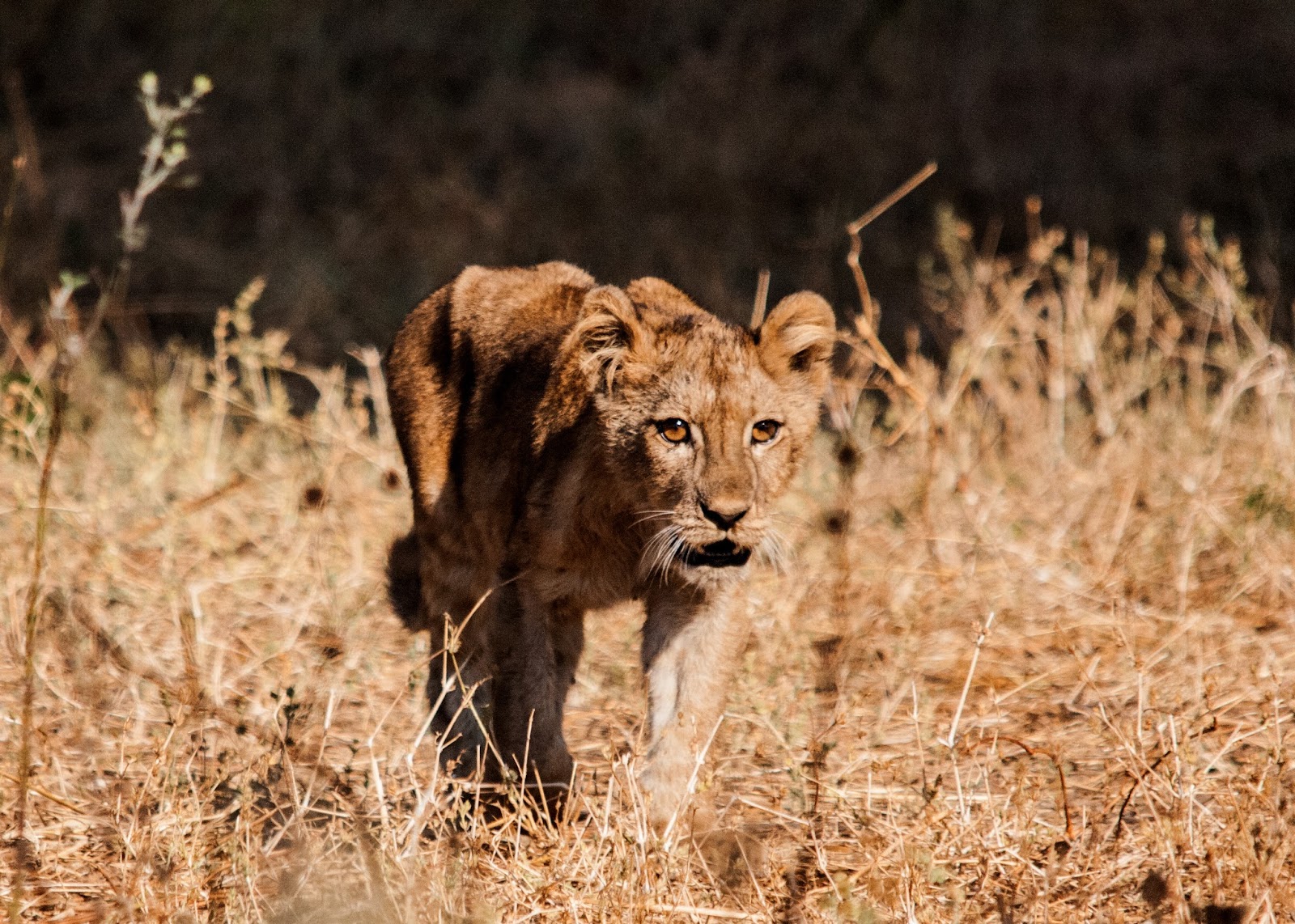
Lion's cub - Ruaha National Park - Tanzania -  ©Andrea Pompele All Rights Reserved

Tuttavia onestamente, è la migliore scelta che abbia fatto in vita mia. Ho imparato ed imparo tuttora un sacco di cose. Ogni giorno è diverso e mi regala esperienze incredibili. Ho superato alcuni limiti che avevo anche dopo essere diventato guida certificata e miglioro la mia conoscenza naturalistica in maniera concreta. Giro scalzo per il campo, all’inizio ero titubante e parecchio indispettito nel farlo, ma poi ho osservato, capito e fatto mia questa abitudine che ha il mio Boss. Ovviamente ci sono molte controindicazioni nel farlo: spine, sabbia, terra, polvere e insetti fastidiosi, ma superato il limite, basta prestare attenzione a quello che si fa e tutto risulta naturale. Cammino nel bush come se l’avessi sempre fatto, tra l’erba alta 4 metri circa, l’elephant grass (Pennistum purpureum), che si chiama così perché nasconde persino gli elefanti, con una certa attenzione a dove metto i piedi e a quello che si muove intorno a me. Non è difficile, non è pericoloso, se sai quello che fai e nello stesso tempo è incredibile se ci pensi su un attimo.
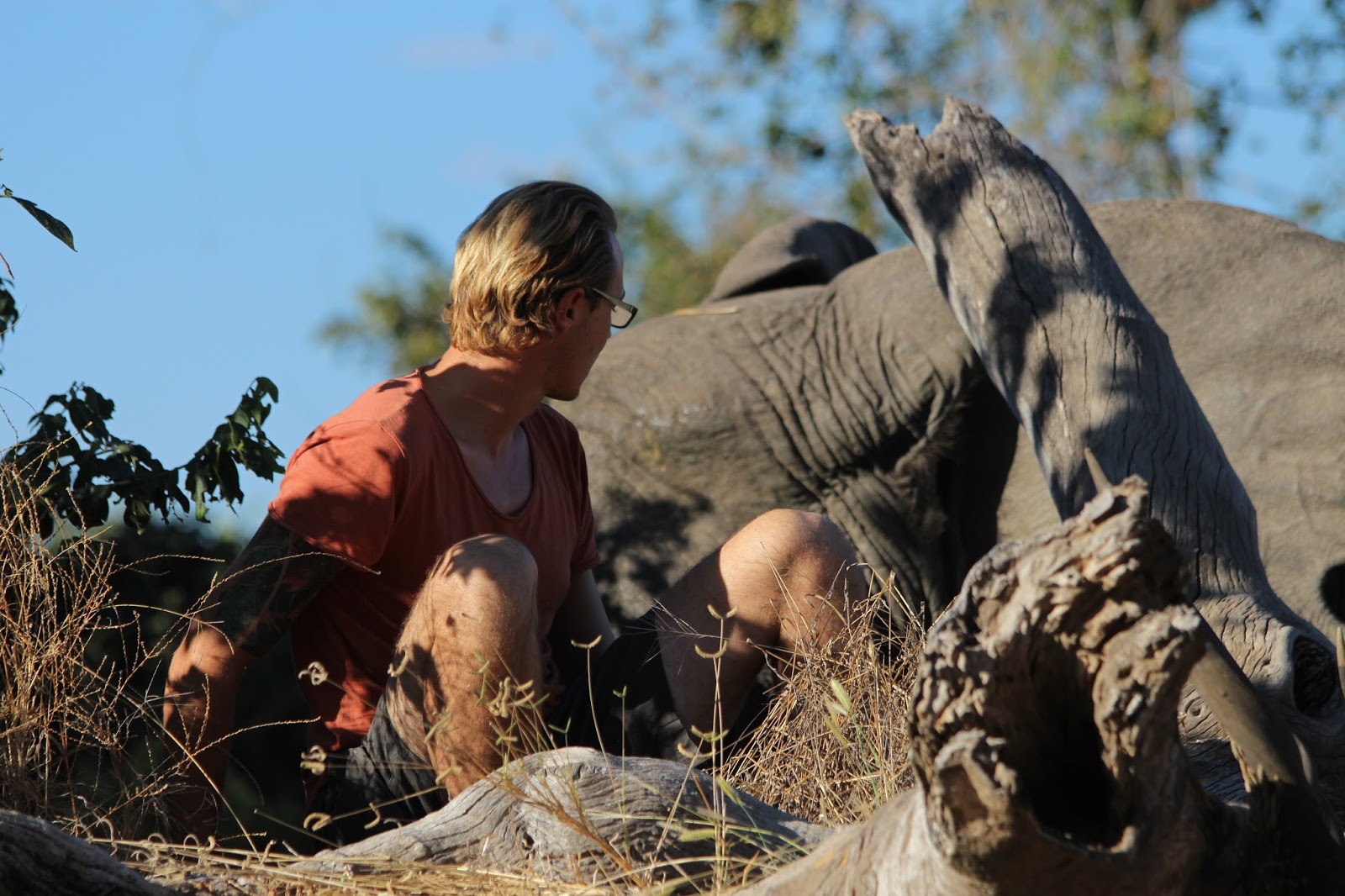
Me and an Elephant @ Mdonya Old River Camp - Ruaha National Park - Tanzania -  ©Andrea Pompele All Rights Reserved


Ho imparato a gestire gli elefanti. A piedi. Il campo è pieno di elefanti, entrano ed escono a loro piacimento giorno e notte, per brucare l’erba, strappare le foglie degli alberi e smuovere i tronchi per far cadere i frutti di Acacia tortilis di cui sono ghiotti. Spesso spaccano i rami e scorticano i tronchi, ogni tanto fanno cadere anche gli alberi. Si avvicinano e si possono osservare benissimo. Li stiamo identificando uno per uno e costruiamo loro una carte di identità da condividere con i ricercatori dello STEP (Southern Tanzania Elephant Project), abbiamo dato loro anche un nome per ciascuno ed è stupendo salutarli la mattina, il pomeriggio o la notte quando decidono di venire a trovarci.  Ho imparato a non avere paura di loro e a reagire correttamente ad una mock charge anche a piedi. I maschi adulti sono più semplici perché quando non sono in Musth, stato particolare di eccitazione sessuale il cui il testosterone aumenta vertiginosamente causando un’alterazione comportamentale significativa, “eccolo che ricomincia a sproloquiare in termini incomprensibili”, diventando molto aggressivi e pericolosi, sono calmi e rilassati, basta non bloccare loro la strada e lasciar loro lo spazio necessario per muoversi e puoi star loro anche a distanza ravvicinata. 
Elephant @ Mdonya Old River Camp - Ruaha National Park - Tanzania -  ©Andrea Pompele All Rights Reserved
Ho imparato dai Maasai come muovermi, senza correre assolutamente, senza mostrare paura e stando fermi e dritti, se caricano, spesso lo fanno solo per allontanarti quindi basta fare due o tre passi indietro in modo tranquillo e la cosa finisce lì. Altra cosa importante è mettere un ostacolo tra noi e loro, tipo un tronco e la situazione è sicura. Ovviamente bisogna sempre valutare il contesto e l’animale che si ha di fronte, anche loro hanno il loro carattere ed esistono quelli più calmi e tranquilli e quelli più agitati. Mad Max è uno di questi, l’abbiamo chiamato così proprio per la sua diffidenza e una certa propensione al nervosismo. Con lui nel campo bisogna stare all’occhio e muoversi in maniera prudente. Charlie, Louis e Sikiu Mbovu sono decisamente più amichevoli, soprattutto quest’ultimo che birichino com’è ha deciso di spaccare i tubi dell’acqua per bere direttamente l’acqua pulita, con una certa simpatia per la mia doccia. Ogni giorno più o meno arriva e puntualmente ne combina una delle sue. Ma è quello a cui mi posso avvicinare più facilmente, l’altro giorno mentre lo riprendevamo con il cellulare ha toccato lo schermo con la proboscide, giusto per ricordarci che non gliene importa nulla se lo sgridiamo, lui fa quello che gli pare, è un pachiderma adulto di 6 tonnellate, vuoi che si impressioni per un “omiciattolo” di soli due metri? Con i giovani maschi è un po’ diverso, sono meno a proprio agio quindi più nervosi, abbiamo Kino e Mitz ultimamente, il primo è adulto e ha la sua personalità il secondo è più giovane ed impara dagli altri. Mi piace averli nel campo, li ho chiamati con i nomi dei miei due fratelli, eh beh la famiglia innanzitutto.
Elephant @ Mdonya Old River Camp - Ruaha National Park - Tanzania -  ©Andrea Pompele All Rights Reserved
Sono particolarmente felice di avere alcuni gruppi di elefanti che vengono a trovarci, con tanto di piccoli di diverse età, è un buon segno e fa sempre piacere vedere questi cuccioli giocare e tentare di caricare impala, francolini e scimmie per dimostrare che sono capaci anche loro, nonostante siano buffissimi da osservare, soprattutto quando inciampano o si spaventano quando i francolini si alzano in volo e si guardano attorno sperando di non essere stati visti perché hanno fatto una figuraccia e si rifugiano tra le gambe delle madri. Con le femmine nel campo però è tutta un’altra cosa. Con queste non si scherza affatto, proteggono i loro piccoli da ogni cosa, noi compresi, e caricano, senza fermarsi. Le sorelle più grandi non sono da meno, quindi molto meglio star loro alla larga.
Me and an Elephant - Ruaha National Park - Tanzania -  ©Andrea Pompele All Rights Reserved

Se vi è piaciuto questo articolo allora potreste essere interessati a lasciare un commento, oppure a leggere anche questi altri:

LE NOTTI SILENZIOSE SONO LE NOTTI MIGLIORI

I LEONI RUGGISCONO DI NOTTE

IL VIAGGIO

ENGLISH VERSION
Being a safari guide is not just a job, it’s a lifestyle

It seems to be perceived as trivially obvious for those who have not made this choice, but you must be aware it is not an escape, it is not a denial, it's not even an adventure in itself, it’s a project
.
It involves sacrifices and so much study, this has to be known.

I am a professional safari guide certified AFGA, African Field Guide Association, and I learn something new every day. I started this project because I realized that in life you have to do what you like, not what the others expect by you. Or worse, what we expect of ourselves, projecting erroneus expectations which become misleading for our personal fulfillment and happiness.

Ok, so far so good, I have already explained this in other articles and posts.

Let's move on to the practical part: how the hell did you transform your life in this direction? Aside from the motivation that prompted me, well first of all I had to overcome a lot to find the solution. I informed myself, I wrote emails, contacted people and found some training that gave me the direction. The AIEA, Associazione Italiana Esperti d'Africa, has given me the perspective of the training courses that they would in future given  me the opportunity to access this kind of life. Although I have a degree in ecological biology  with orientation in ethology (behaviour biology) and a degree in Ecology, it was not easy to pass exams, theoretical and practical,  you can safely say that I was put through my paces! And thank goodness! Why only after working in the field I realized how my preparation was necessary and essential. With great surprise I found myself better than others, more ready, more competent and better able to handle the various situations that can happen, both from the naturalistic point of view and from that organization, hospitality, guest management and other challenges. I'm a genius? Yes I admit I'm better than all of you and I’d kick your butt if you dare challenge me. But please, that idiocy, no, I'm just like you, only I’m prepared and motivated and that makes the difference. Obviously I have a lot to learn and grow professionally but I have evolved a bit. I’m a  manager of a tented camp and I’m responsible for guides and drivers, plus I became a trainer. Cool yes? But certainly not easy indeed. First you need to know to understand what it's about. This is not an easy life (LIONS ARE ROARING AT NIGHT).
However, honestly, it is the best choice I've made in my life. I learned and I’m still learning a lot of things. Every day is different and gives me incredible experiences. I passed some limits that I had even after becoming certified guide and improve my knowledge of nature in a concrete way. I walk around barefoot into the camp, at first I was hesitant to do so and quite worried, but then I have observed, understood and made my habit that my Boss normally do. Obviously there are many drawbacks in doing so: thorns, sand, soil, dust and annoying insects, but crossed the line, just pay attention to what you do and everything is natural. I walk in the bush as if I had always done, in the tall grass about 4 meters, the elephant grass (Pennistum purpureum), which is so called because it hides even the elephants, with some attention to my steps and what moving around me. It’s not difficult, it’s not dangerous, if you know what you do and at the same time it's amazing if you think about it for a moment.

I learned how to manage elephants. On foot. The camp is full of elephants, moving in and out at will day and night to graze the grass, tearing the leaves of the trees and move the logs to bring down the fruits of Acacia tortilis which are greedly eaten. Often they split branches and strip out the trunks, sometimes they brake even trees. They can be approached and can be observed very well. We are identifying them one by one and we create identity cards to share with researchers of  STEP (Southern Tanzania Elephant Project), we gave a name to each one of them and it is wonderful to greet them in the morning, afternoon or night when they decide to come visit us. I learned not to be afraid of them and react properly to a mock charge on foot. Adult males are easy because when they are not in Musth, a particular state of sexual excitement where testosterone increases dramatically causing significant behavioral alterations, "here he begins to rant in incomprehensible terms", becoming very aggressive and dangerous, they are calm and relaxed, just without blocking them off and leave them enough space to move around and can keep up with them even at close range. I learned from the Maasai how to move and absolutely not run away, without showing fear and standing still and straight, if they charge, they often do so just to put you away so you have to make two or three steps back so quiet and it ends there. 

Another important thing is to put a barrier between us and them, like a log, and the situation is safe. Obvoiusly you should always evaluate the context and the animal that is in front of you, they have their own character and there are those very calm and quiet and other more nervous. Mad Max is one of these ones, we called him so because of his mistrust and a certain tendency to nervousness. With him around you have to move in a prudent manner. Charlie, Louis and Sikiu Mbovu are much friendlier, especially the latter one that fluffy decided to split the water pipes to drink straight clean water, with some sympathy for my shower. Every day more or less he comes and makes some troubles. But it is one to which I can approach more easily, one day while we were filming him with the phone he has touched the screen with his trunk, just to remind us that he doesn’t care if we scold him, he does what he wants, he is an adult pachyderm weighing 6 tons, do you think he could be impressed by a 2 meters tall "little man"? With young males is a bit different, they are less confident and more nervous, we have  Kino and Mitz around, the first is an adult and has his personality whilst the second is younger and is learning from others. I like to have them in camp, I called them with the names of my two brothers, well family first.

I am particularly happy to have some groups of elephants who come to visit us with little calves of different ages, it’s a good thing and it's always nice to see these calves play and try to charge impalas, francolins and monkeys to show that they are capable too despite being very funny to watch, especially when they stumble or get scared when francolins take off and look around hoping not to be seen because they have been made a fool of and take refuge between the legs of the mothers. With females in camp, however, it’s a different thing. You do not mess with them at all, they protect their calves from everything, including us, and they really charge, without stopping. The older sisters are no different, so much better to be careful.


If you like this post maybe you can read also these ones:

SILENT NIGHTS ARE THE BEST NIGHTS

LIONS ARE ROARING AT NIGHT

THE TRIP

THE END OF AN ADVENTURE


mercoledì 27 maggio 2015

Africa, the mother land: Tanzania. Il viaggio / The trip

Dar es Salaam è un casino.

Una città enorme, sembra infinita, con un traffico pazzesco e un sacco di gente che fa di tutto, ma proprio di tutto, ovviamente per strada. È una metropoli africana insomma. Non diversa dalle altre ma nello stesso tempo unica. Sono stato lì 3 giorni e mi è piaciuta, ma ovviamente non era la mia meta.

La mia destinazione era Mdonya Old River Camp, nel Ruaha National Park, attualmente il parco nazionale più grande e il più wild al centro sud della Tanzania.

The long way road from Dar es Salaam to Iringa - Tanzania -  ©Andrea Pompele All Rights Reserved 
Ci sono arrivato, ma ci ho messo un po’. Non perché sia particolarmente distante, solo 550 km da Dar es Salaam, e di solito è servito da aerei tipo Chessna o simili, con l’airstrip presente all’interno del parco, quindi per coloro che si recano in safari è piuttosto semplice arrivare.

Non per me.

Io sono partito da Dar es Salaam in macchina, un veicolo aperto, da game drive, e un pick up carico di materiale. Partenza ore 5:30 del mattino, almeno questo era il programma, ma abbiamo avuto qualche contrattempo. Per fortuna era domenica, quindi in realtà non c’era molto traffico rispetto al solito, ma se comparate il lunedì mattina in Tangenziale a Milano o sul Grande Raccordo Anulare di Roma, si potrebbe dire tranquillamente il doppio. Non male eh?

The long way road from Dar es Salaam to Iringa - Tanzania -  ©Andrea Pompele All Rights Reserved 
In città è pieno di gente che fa jogging, ma non come lo faremmo noi, gruppi di 50 persone insieme di diversa età che si ritrovano per correre la mattina in giro per la metropoli, meraviglioso vederli che attraversano la strada ognuno con una maglietta diversa, ma senza quelle tecnicissime scarpe, t-shirt e pantaloncini antisudore. Costeggi alcuni slum, non sono proprio bidonville, direi piuttosto quartieri nati per caso che si arrampicano su per le colline, senza alcun progetto di sviluppo edilizio, sovrapopolati, senza fognature ovviamente o strade vere e proprie tra baracche improvvisate e tetti di lamiera. Ovviamente la gente si attrezza al meglio e non manca proprio nulla, c’è anche la palestra di quartiere, con pesi e corsi, c’è anche il crossfit, e ho notato una palestra di boxe, dove mi sarei infilato volentieri a tirar due pugni ad un sacco, sapete com’è, istinto.

The long way road from Dar es Salaam to Iringa - Tanzania -  ©Andrea Pompele All Rights Reserved 
Comunque di per sé è un viaggio bellissimo. Su una strada asfaltata A7 che collega la città di Dar a quella di Iringa, una delle strade principali, perfettamente tenuta a dirla tutta, con un sacco di camion e un sacco di auto, ma senza incidenti ed un traffico scorrevole. Si attraversano diversi villaggi, ognuno con la sua tipica confusione e il suo tipico ordine, mi stupisco sempre un po’ perché ogni volta che capito in un villaggio africano sulla strada principale c’è sempre questo casino imperante, come se tu fossi costantemente al mercato, ma tutto procede senza intoppi, tutto scorre liscio e senza fretta, ma continuo, almeno questa è la mia impressione.

The long way road from Dar es Salaam to Iringa - Tanzania -  ©Andrea Pompele All Rights Reserved 
Abbiamo passato il Parco Nazionale di Mikumi, la strada ci passa in mezzo, e abbiamo visto zebre, gnu, elefanti, giraffe etc…abbiamo fatto colazione, più un pranzo a dire la verità, in un posto tranquillissimo con un sacco di gente. Comunque anche qui abbiamo avuto qualche intoppo: la polizia ci ha fermato 6 volte, hanno i rilevatori di velocità sempre puntati e anche se il tuo tachimetro indica 45 km/h loro ti mostrano 70 km/h magari di un’altra macchina e tu non puoi, o comunque è molto meglio, non contestare. Ad un certo punto, all’inizio delle montagne Udzungwa, costeggiando l’omonimo Parco Nazionale, abbiamo avuto un problema tecnico con l’auto, che ha deciso di fermarsi nel cuore delle stesse lontano da ogni possibile villaggio. Il meccanico ha provato ad aggiustare il “contrattempo” ma abbiamo dovuto passare gran parte della notte all’aperto, in mezzo alla foresta. Capita in Africa. Beh ragazzi, una figata!

The long way road from Dar es Salaam to Iringa - Tanzania -  ©Andrea Pompele All Rights Reserved 
Una foresta bellissima, verdissima, incredibilmente varia, me la sono proprio goduta. A parte il fatto che faceva un freddo pazzesco, vi ricordo che IN AFRICA NON FA CALDO, almeno non in tutta l’Africa e non in tutti i momenti della giornata. Siamo ripartiti ad una certa ora della notte per arrivare ad Iringa di mattina presto. Ho riposato in una guest house un paio di ore e dopo pranzo siamo ripartiti per il Ruaha.

Ruaha National Park's Gate Tanzania -  ©Andrea Pompele All Rights Reserved 
Ci ho messo due giorni ad arrivare nel Parco, è stata impegnativa, ma immediatamente arrivato all’ingresso dello stesso mi sono sentito come se fossi a casa, l’ambiente che preferisco savana alberata a miombo. Baobab ovunque e paesaggi incredibili. Dall’ingresso del Parco fino al campo ci vuole circa un’ora e mezza, si attraversa quasi subito il fiume Ruaha, una pista bellissima in mezzo al bush. All’arrivo nel campo ho incontrato subito gli elefanti che vivono nella zona intorno e spesso all’interno dello stesso.

Un benvenuto meraviglioso, un ottimo inizio direi.

Track in the bush - Ruaha National Park - Tanzania -  ©Andrea Pompele All Rights Reserved 
Se vi è piaciuto questo articolo allora potreste essere interessati a lasciare un commento, oppure a leggere anche questi altri:

LA FINE DI UN'AVVENTURAl

ENGLISH VERSION

Dar es Salaam is a mess.

A huge city, it seems endless, with a crazy traffic and a lot of people that does everything, absolutely everything, obviously  in the street. It is an African metropolis in short. Not different from the others but at the same time unique. I was there for three days and I liked it, but obviously it was not my goal.

My destination was Mdonya Old River Camp in Ruaha National Park, actually the largest national park in the south center and the wildest of Tanzania.

I got there, but it took me a while. Not because it is very far, just 550 km from Dar es Salaam, and it’s usually served by aircraft Cessna type or similar, with the airstrip inside the park, so for those who go on safari is quite easy to get.

Not for me.

I left from Dar es Salaam by car, an open “game drive” vehicle and a pick up a full of material. Departure at 5:30 am, at least that was the plan, but we had some mishap. Luckily it was Sunday, so really there was not much traffic than usual, but when compared on Monday morning in a Milan main road or GRA of Rome, you could safely say twice. Not bad eh? 
In the city it’s full of joggers, but not as in Europe, everybody alone, but groups of 50 people together with different ages who find themselves in the morning to run around the city, wonderful to see them crossing the road each one with a different t-shirt, but without those technical shoes, t-shirt and anti sweat pants. You can see some slums, tehy are not properly shanty towns, I would say quite neighborhoods born by chance that climb up the hills, without any development project, overpopulated, without sewers or roads obviously true of makeshift shacks and tin roofs. Obviously people will equip the best and nothing is missing, there is also a neighborhood gym, with weights and courses, there is also the crossfit, and I noticed a boxing gym, where I would have put on willingly to pull two punches, you know, instinct.

However in itself it’s a beautiful journey. On a paved road A7 that connects the city of Dar to Iringa, along a main road, perfectly bound to be honest, a lot of trucks and a lot of cars, but no accidents and traffic flowing. You go through different villages, each with its typical confusion and its typical order, I am always astonished a little because every time I arrive in an African village on the main road there is always this mess prevailing, as if you were constantly at the market but everything is going smoothly, everything runs smoothly and without hurry, but I still, at least this is my impression.

We pass the Mikumi National Park, the road passes in between, and we saw zebras, wildebeest, elephants, giraffes etc ... we had breakfast, plus lunch to tell the truth, in a very quiet place with lots of people. However, even here we had some difficulties: the police stopped us 6 times, have always pointed speed detectors and even though your speedometer shows 45 km / h they will show 70 km / h maybe another car and you don’t or at least it is much better not to contest. At one point, at the beginning of the Udzungwa Mountains, along the homonymous National Park, we had a technical problem with the car, it decided to stop in the heart of the same, away from every possible village. The mechanic tried to adjust the "setback" but we had to spend most of the night in the open air, in the middle of the forest. It happens in Africa. Well guys, pretty cool!

A beautiful forest, very green, incredibly varied, I've just enjoyed. Apart from the fact that it was so crazy cold, remember,IN AFRICA IT'S NOT HOT , at least not in the whole of Africa and not at all times of the day. We left at a certain time of the night to get to Iringa early morning. I rested in a guest house a couple of hours and after lunch we left for the Ruaha.

It took me two days to get to the park, has been challenging, but immediately arrived at the entrance of the same, I felt like I was at home, the environment I prefer  a wooded miombo savanna. Baobabs everywhere and amazing sceneries. From the entrance to the camp it takes about an hour and a half, almost immediately you cross the Ruaha River, a beautiful track in the middle of the bush. Upon arrival in the camp I met immediately elephants living in the area around and often within the same
.

A wonderful welcome, a good start I think.

If you like this post maybe you can read also these ones:

THE END OF AN ADVENTURE